
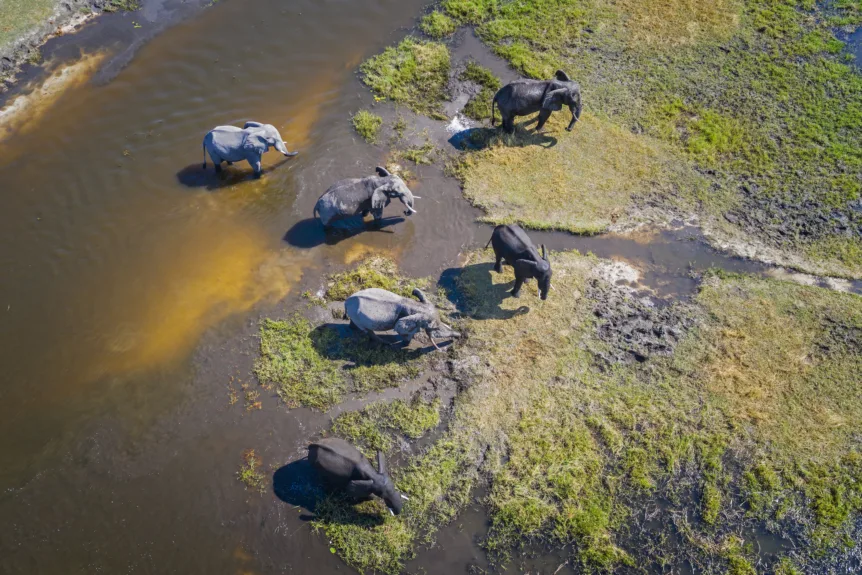
Helicopter Aerial Photography has revolutionized the world of landscape and wildlife photography by offering unique perspectives, capturing stunning images, and overcoming the challenges that traditional photography methods face. This game-changing approach allows photographers to obtain captivating images that are not only visually impressive, but also contribute to a deeper understanding of our natural environment. In this article, we will explore the various aspects of Helicopter Aerial Photography and how it has transformed the landscape and wildlife photography industry.
Unparalleled Perspectives and Opportunities
One of the most significant advantages of Helicopter Aerial Photography is the ability to capture images from angles that are simply unattainable through conventional methods. Helicopters can fly at various altitudes, hover in place, and maneuver around obstacles, allowing photographers to capture images from unique vantage points. This flexibility enables photographers to showcase landscapes and wildlife in ways that were previously unimaginable, resulting in breathtaking compositions that captivate viewers.
For example, a landscape photographer can use a helicopter to capture aerial images of a waterfall, revealing intricate patterns and geological features that would be invisible from ground level. Similarly, a wildlife photographer can use a helicopter to track and photograph animals in their natural habitat, offering an intimate glimpse into their lives without disturbing them.
Overcoming the Challenges of Traditional Photography Methods
Traditional landscape and wildlife photography often involves navigating difficult terrain, dealing with unpredictable weather conditions, and patiently waiting for the perfect shot. While these challenges are part of the allure for many photographers, they can also be limiting factors that prevent them from capturing certain images or achieving their artistic vision.
Helicopter Aerial Photography enables photographers to overcome many of these challenges by providing quick access to remote locations, allowing for rapid adjustments in response to changing weather conditions, and offering the ability to capture fleeting moments that might otherwise be missed. For instance, a photographer can charter a helicopter to reach a remote mountain peak and capture stunning images of the landscape without the need for a multi-day hike.
High-Quality Images with Advanced Technology
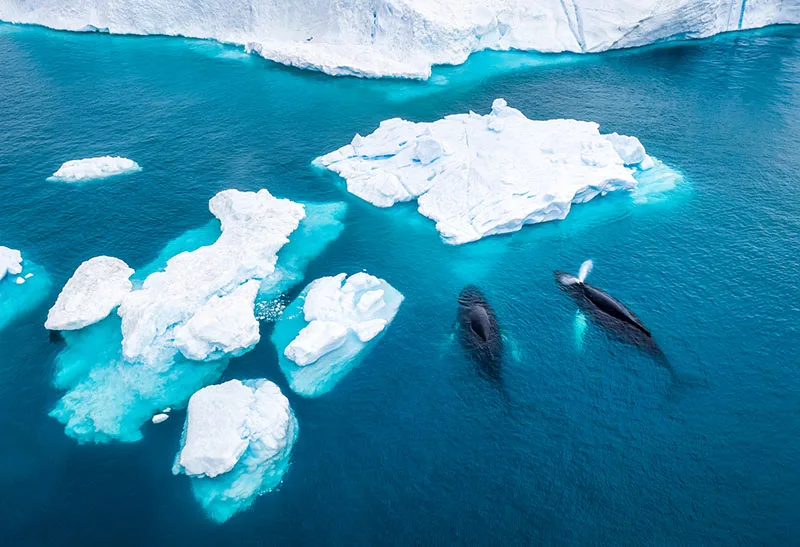
Aerial view of two Humpback whales (Megaptera Novaeangliae) spouting and eating in front of an Iceberg at Ilulissat Icefjord, Greenland.
Helicopter Aerial Photography benefits from advancements in both aerial and photographic technology. High-quality gyro-stabilized camera systems are mounted on helicopters, ensuring sharp images even when the helicopter is in motion. These advanced camera systems often feature powerful zoom lenses, allowing photographers to capture intricate details from a safe distance, which is particularly important for wildlife photography.
Additionally, modern helicopters are equipped with GPS technology and other navigational aids, enabling precise positioning and efficient flight planning. This level of accuracy ensures that photographers can consistently capture the images they envision, even when working in challenging or unfamiliar environments.
Contributing to Conservation and Environmental Awareness
Helicopter Aerial Photography is not only an artistic pursuit, but also a valuable tool for promoting conservation and environmental awareness. Aerial images of landscapes and wildlife can reveal changes in ecosystems and habitats, providing crucial data for conservationists and researchers. For example, aerial photographs of a forest can help identify areas that have been affected by deforestation or illegal logging, while aerial images of a coastline can reveal the impact of erosion and rising sea levels.
Furthermore, stunning aerial images can inspire public interest in conservation efforts by showcasing the beauty and fragility of our natural world. By sharing these images, landscape and wildlife photographers can help raise awareness of environmental issues and encourage others to take action to protect our planet.
Innovative Techniques and Creative Possibilities
Helicopter Aerial Photography opens up a world of creative possibilities for landscape and wildlife photographers, encouraging experimentation with innovative techniques and compositional approaches. For example, photographers can use helicopters to create sweeping panoramic images, capture abstract aerial patterns, or produce high-resolution gigapixel images that reveal minute details in a scene.
These innovative techniques can yield stunning results that push the boundaries of traditional photography, inspiring both photographers and viewers alike. As a result, Helicopter Aerial Photography continues to drive the evolution of landscape and wildlife photography, challenging artists to explore new perspectives and redefine the limits of their craft.
Collaboration with Helicopter Pilots and Crew
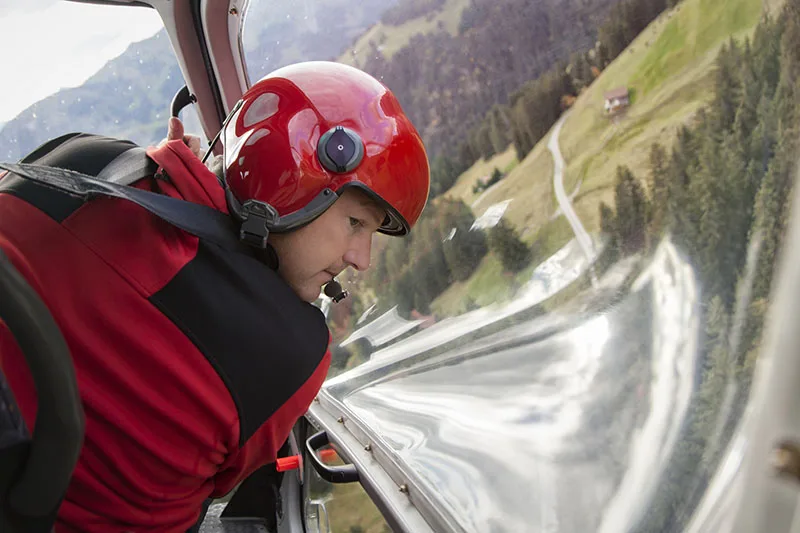
Helicopter pilot searching for wildlife on the ground.
Helicopter Aerial Photography often involves close collaboration between photographers, helicopter pilots, and crew members. This teamwork is essential for ensuring the safety of all parties, as well as achieving the desired results. A skilled helicopter pilot from Fair Lifts will have an understanding of the photographer’s needs and goals, enabling them to position the helicopter in the optimal location for capturing the perfect shot. In turn, photographers must communicate their requirements clearly and effectively, while also being prepared to adapt to changing conditions or unexpected challenges.
This collaborative process can lead to strong working relationships and a greater appreciation for the skills and expertise of all parties involved. As a result, landscape and wildlife photographers who embrace Helicopter Aerial Photography often find that it not only enhances their work, but also enriches their professional and personal experiences.
Investment and Planning for Successful Helicopter Aerial Photography
While Helicopter Aerial Photography offers numerous advantages, it also requires a significant investment of time, money, and planning. Chartering a helicopter can be expensive, and photographers must consider factors such as flight duration, fuel costs, and potential weather-related delays. Moreover, obtaining permits and coordinating with local authorities may be necessary, particularly when working in protected areas or near sensitive wildlife habitats.
To maximize the benefits of Helicopter Aerial Photography, landscape and wildlife photographers should conduct thorough research and planning before embarking on a shoot. This preparation may involve scouting locations, reviewing maps and satellite imagery, and consulting with experts in the field. By investing the necessary time and resources, photographers can ensure that their Helicopter Aerial Photography projects are not only successful, but also contribute to a deeper understanding and appreciation of our natural world.
A Game-Changer
Helicopter Aerial Photography has emerged as a game-changer for landscape and wildlife photographers, offering unparalleled perspectives, overcoming the challenges of traditional photography methods, and pushing the boundaries of artistic expression. By embracing this innovative approach, photographers can capture stunning images that inspire viewers, promote conservation efforts, and contribute to our collective understanding of the world around us.