
Welcome to the Fair Lifts Helicopter Services Glossary
From heavy lift operations and helicopter charters to aircraft systems and emergency services, understanding aviation terminology can help you make more informed decisions about your project or flight. The Fair Lifts Helicopter Glossary provides clear, practical definitions of commonly used terms across a wide range of helicopter services.
Explore terminology related to aerial construction, aircraft navigation, environmental operations, passenger transportation, and specialized helicopter missions. Whether you're planning a helicopter lift, arranging a charter, or researching aviation capabilities, this glossary is designed to make technical concepts easier to understand.
Glossary Quick Links:
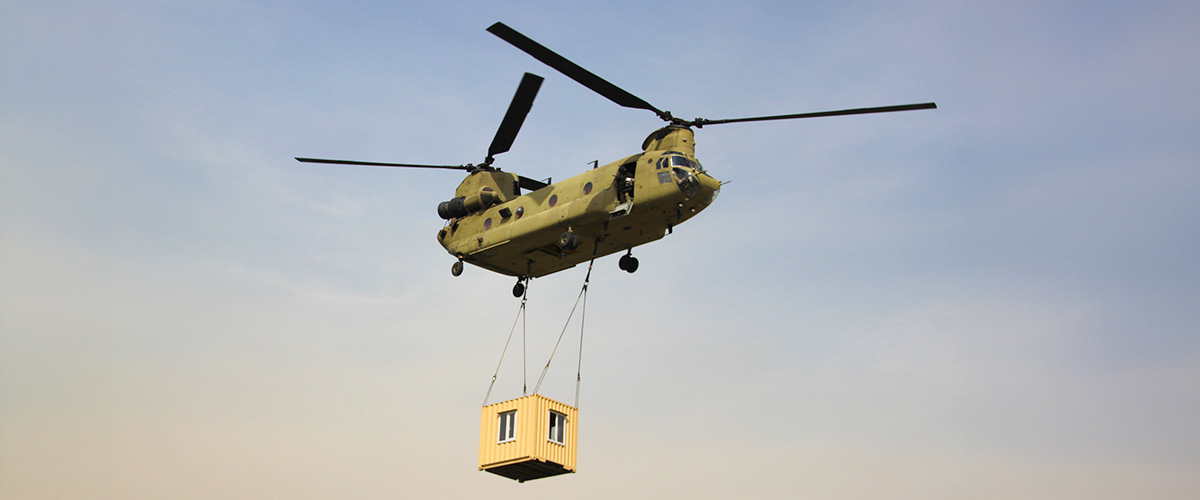
15 Key Terms for Heavy Lift Helicopters and Construction Lifts
Explore 15 essential helicopter construction and heavy lift terms, from external loads and rigging to precision placement and aircraft capabilities. This glossary explains the terminology used in aerial construction, equipment transport, and specialized helicopter lifting operations.
Heavy Lift Helicopter: A helicopter equipped to lift and transport substantial external loads, including construction equipment, building materials, and infrastructure components.
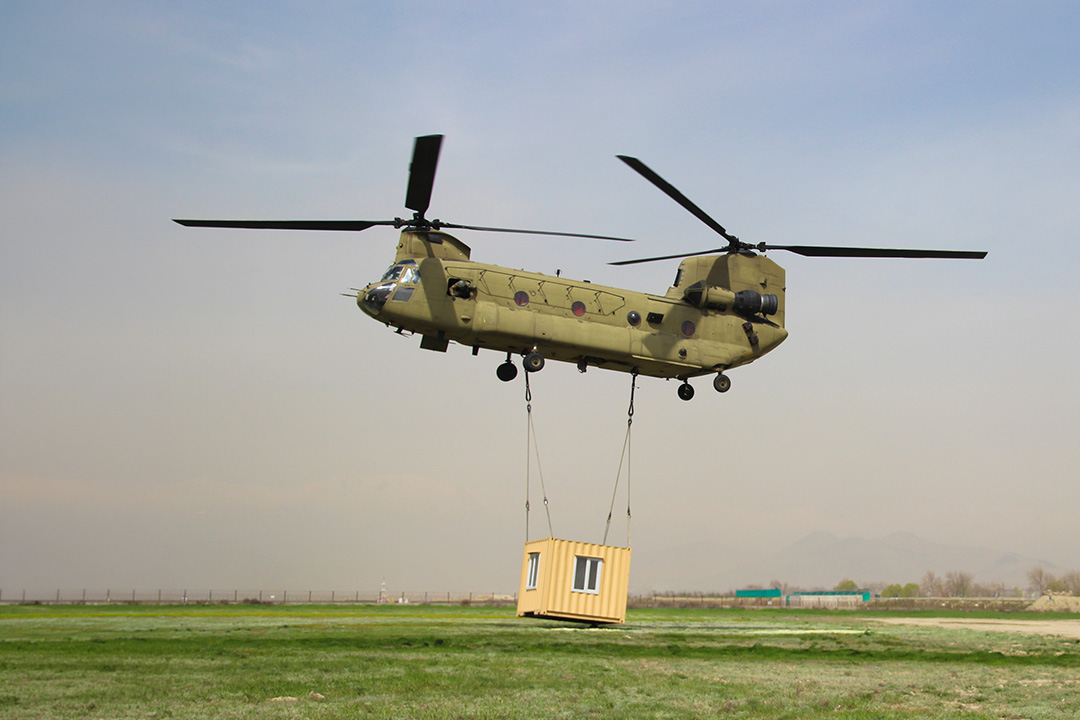
External Load: Cargo or equipment carried outside a helicopter, typically suspended beneath the aircraft using an approved cargo hook, sling, or long-line system.
Long-Line: A specialized cable or synthetic line used to suspend external loads beneath a helicopter, providing separation between the aircraft and the load during lifting operations.
Cargo Hook: A load-bearing device installed on a helicopter or external load system that allows crews to securely attach and release suspended cargo.
Load Capacity: The maximum weight a helicopter can safely lift under specific operating conditions, accounting for aircraft limitations, fuel load, temperature, altitude, and other performance factors.
Sling Load: Equipment, materials, or other cargo suspended beneath a helicopter using approved slings, rigging, and external load attachment systems.
Precision Placement: The controlled positioning of suspended equipment or materials at a designated location, often requiring accurate placement on rooftops, towers, or construction structures.
Skycrane: A specialized heavy lift helicopter designed primarily for external load operations, commonly associated with aircraft such as the Sikorsky S-64 Skycrane.
Heliport: A designated facility or area intended for helicopter takeoffs, landings, and ground operations, which may include parking, fueling, and other support services.
Remote Site Access: The use of helicopters to transport personnel, equipment, or materials to locations where terrain, infrastructure, or limited ground access restrict conventional transportation.
Air Crane: A helicopter used as an aerial lifting platform to transport, position, or remove heavy external loads during construction, infrastructure, firefighting, and other specialized operations.
Load Chart: A manufacturer-provided performance chart or operational reference used to evaluate helicopter lifting capabilities under specific conditions, including aircraft weight, altitude, and temperature.
Construction Lift: A helicopter operation involving the aerial transport, installation, or removal of construction materials and equipment, particularly where conventional cranes or ground access present logistical challenges.
Rigging: The equipment and procedures used to secure external loads for helicopter lifting, including slings, shackles, lifting assemblies, and designated attachment points.
Erection and Assembly: The use of helicopters to lift and position structural components during construction, supporting the installation of towers, steel assemblies, and other infrastructure.
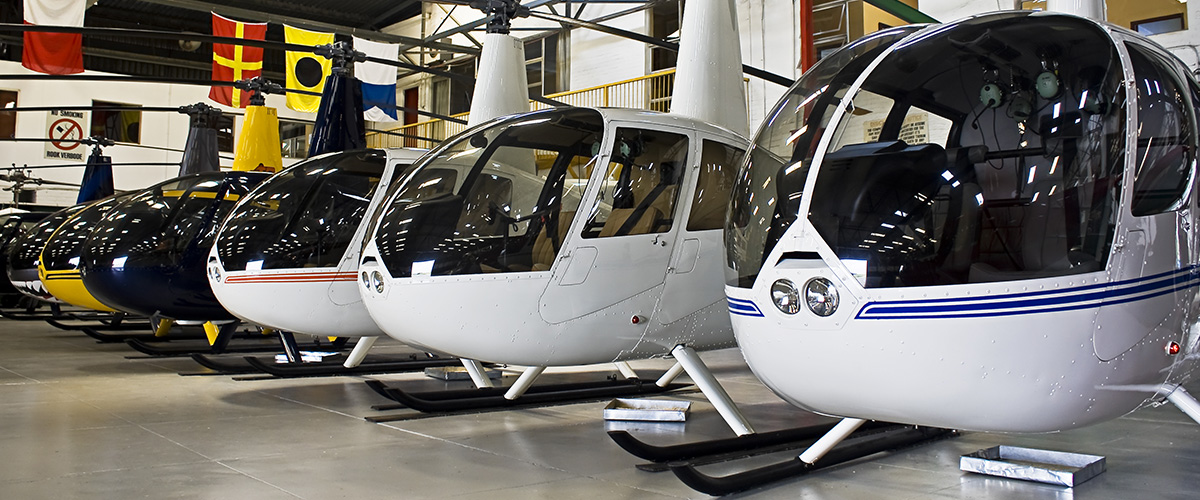
Essential Terms for Helicopter Charters
Planning a helicopter charter for business or personal travel? Understanding common aviation terms can help you evaluate aircraft options, flight arrangements, and passenger requirements. This glossary covers essential helicopter charter terminology, from aircraft types and airport transfers to flight operations and safety procedures.
Helicopter Charter: A private flight service that provides exclusive use of a helicopter for a specific trip or series of flights, tailored to the passenger's schedule and travel requirements.
Rotorcraft: An aircraft that generates lift using rotating blades, including helicopters and autogyros.
Turbine Engine: An engine that converts energy from burning fuel into mechanical power to drive the helicopter's rotor system.
Single-Engine Helicopter: A helicopter powered by one engine, commonly used for sightseeing, private charters, and short-distance transportation.
Twin-Engine Helicopter: A helicopter equipped with two engines, providing engine redundancy and performance capabilities suited to certain charter operations.
Executive Helicopter: A helicopter configured for business and VIP transportation, often featuring premium seating, enhanced comfort, and additional passenger amenities.
Airport Transfer: A helicopter transportation service connecting airports with other airports or designated landing locations, offering an alternative to ground transportation. Learn about helicopter airport transfers.
Landing Zone (LZ): A designated location suitable for helicopter takeoffs and landings, subject to operational, safety, and applicable regulatory requirements.
Hotel Transfer: A helicopter charter providing transportation between an airport or other departure location and an approved landing site near a hotel or resort. Explore helicopter hotel transfers.
Passenger Manifest: A record identifying passengers aboard a flight, used for operational planning, accountability, and applicable documentation requirements.
Deadhead Flight: A flight operated without paying passengers or revenue cargo, often required to reposition a helicopter before or after a charter assignment.
Weight and Balance: The calculation and verification of aircraft weight and center of gravity to ensure passengers, baggage, fuel, and other loads remain within approved operating limits.
Air Traffic Control (ATC): A service that manages and directs aircraft movements in controlled airspace and at designated airports to maintain safe and orderly air traffic.
Hover Taxi: A maneuver in which a helicopter moves horizontally while hovering close to the ground, typically when repositioning around an airport or landing area.
Vertical Reference Operations: Helicopter operations in which pilots use visual references below or near the aircraft to maintain precise positioning, commonly during external load work and specialized aerial missions.
Fixed Base Operator (FBO): An airport-based business providing aviation services such as fueling, aircraft parking, ground handling, and passenger facilities.
Safety Briefing: A preflight explanation of passenger safety procedures, including seat belts, aircraft entry and exit, emergency equipment, and crew instructions.


Navigation Instruments and Mechanical Systems Glossary
Helicopters rely on specialized flight instruments, navigation technology, and mechanical systems to maintain safe and controlled operations. Understanding these components provides insight into how pilots monitor aircraft performance, manage flight controls, and navigate different operating conditions. Explore 15 essential terms covering helicopter instrumentation, rotor systems, and flight control technology.
Attitude Indicator: A flight instrument that displays the helicopter's orientation relative to the horizon, helping pilots monitor pitch and bank angles during flight.
Altimeter: An instrument that indicates aircraft altitude based on atmospheric pressure, typically displaying height above mean sea level when properly calibrated.
Airspeed Indicator: A flight instrument that measures indicated airspeed using differences between pitot and static air pressure, helping pilots maintain appropriate operating speeds.
Vertical Speed Indicator (VSI): An instrument that displays the helicopter's rate of climb or descent, typically measured in feet per minute.
Heading Indicator: A directional instrument that displays the helicopter's heading, using gyroscopic or electronic systems to provide a stable directional reference.
Turn Coordinator: A flight instrument that indicates the rate and direction of a turn, typically incorporating an inclinometer to help pilots maintain coordinated flight.
Magnetic Compass: A navigation instrument that uses Earth's magnetic field to indicate magnetic heading, providing a basic directional reference independent of electrical power.
Autopilot System: An automated flight control system that assists pilots by maintaining selected flight parameters, such as heading, altitude, or attitude, depending on the aircraft's equipment.
Flight Management System (FMS): A computerized avionics system that integrates navigation data, flight planning, and route management to support efficient aircraft operations.
Rotor System: The assembly of rotor blades, hubs, and associated components that generates aerodynamic lift and enables helicopter hovering, climbing, descending, and maneuvering.
Collective Pitch Control: A flight control that changes the pitch angle of all main rotor blades collectively, adjusting rotor thrust to control the helicopter's vertical movement.
Cyclic Pitch Control: A flight control that varies main rotor blade pitch throughout each rotation, tilting the rotor thrust vector to control the helicopter's attitude and directional movement.
Anti-Torque System: A system that counteracts main rotor torque and provides yaw control, commonly using a conventional tail rotor, Fenestron, or other specialized configuration.
Main Rotor Head: The mechanical assembly connecting the main rotor blades to the rotor mast, transmitting rotational power while allowing the blade movements necessary for flight control.
Hydraulic System: A system that uses pressurized hydraulic fluid to assist flight controls and operate certain aircraft components, reducing pilot control forces and supporting mechanical functions.


Environmental Protection Glossary
Helicopters support a wide range of environmental and specialized operations, from aerial agriculture and environmental surveying to wildlife conservation and geophysical exploration. Understanding the terminology behind these services provides insight into how helicopters assist with environmental monitoring, resource management, and operations in remote or difficult terrain.
Aerial Surveying: The use of helicopters to collect imagery and geographic data for mapping, environmental assessments, infrastructure inspections, and land management.
Crop Dusting: The aerial application of agricultural products, including pesticides and fertilizers, using specially equipped helicopters to treat crops and agricultural land.
Firefighting Helicopter: A helicopter equipped or configured to support wildfire suppression through water or retardant delivery, aerial reconnaissance, and firefighter transportation.
Water Bombing: The aerial release of water or fire retardant from helicopters using buckets or onboard tanks to suppress fires and limit their spread.
Environmental Monitoring: The use of helicopters and specialized equipment to collect information about environmental conditions, including vegetation, water resources, wildlife populations, and habitat changes.
Wildlife Conservation: The protection and management of wildlife populations and habitats through activities such as aerial surveys, animal tracking, population assessments, and relocation support.
Geophysical Surveys: Helicopter-based investigations using magnetic, electromagnetic, or other sensing technologies to identify geological features, mineral deposits, and subsurface conditions.
LiDAR (Light Detection and Ranging): A remote sensing technology that uses laser pulses to measure distances and generate detailed three-dimensional models of terrain, vegetation, and infrastructure.
Oil Spill Response: Helicopter operations supporting oil spill detection, aerial assessment, environmental monitoring, and the transportation of response personnel or equipment.
Wildlife Tracking: The use of helicopters to locate and monitor animals through visual observation, radio telemetry, GPS tracking systems, or other specialized equipment.
Environmental Impact Assessments (EIAs): Evaluations of potential environmental effects associated with proposed developments, often supported by helicopter-based surveys and geographic data collection.
Precision Agriculture: The use of aerial imaging, sensors, and targeted application techniques to monitor crop conditions, improve resource management, and support agricultural productivity.
Ecosystem Restoration: Helicopter-assisted activities supporting habitat rehabilitation, including aerial seeding, vegetation management, erosion control, and the delivery of restoration materials.
Land Demarcation: The identification and marking of property or land boundaries, sometimes supported by aerial surveying, mapping, and geographic positioning technologies.
Legal Boundary: A formally established property boundary determined through surveys, legal descriptions, and applicable land ownership records.
AIRCARE & GROWSAFE: Industry programs associated with responsible agricultural aviation and chemical application. AIRCARE promotes operational and environmental standards in Canadian agricultural aviation, while GROWSAFE provides agrichemical training and certification in New Zealand.
FAA Part 137: Federal Aviation Administration regulations governing agricultural aircraft operations in the United States, including aerial application activities conducted by helicopters and fixed-wing aircraft.
National Agricultural Aviation Association (NAAA): A U.S. industry organization representing agricultural aviation operators and supporting safety, education, regulatory advocacy, and professional development.
Professional Aerial Applicators Support System (PAASS): An educational safety program developed by the agricultural aviation industry to promote risk management, operational safety, and responsible aerial application practices.
VTEM (Versatile Time-Domain Electromagnetic): A helicopter-borne geophysical survey system that uses time-domain electromagnetic measurements to identify subsurface conductivity variations and geological features.
ZTEM (Z-Axis Tipper Electromagnetic): An airborne geophysical survey technology that measures naturally occurring electromagnetic fields to investigate subsurface electrical conductivity structures.
Helicopter Logging Terminology
Bore: The process of drilling holes into logs or tree sections to accommodate cables or other attachment equipment used in certain helicopter logging operations.
Grapple: A mechanical gripping device suspended beneath a helicopter, typically using a long-line system, to securely lift and transport logs or timber.
Topping: The removal of the upper portion of a tree, often performed as part of timber harvesting or site preparation before helicopter-assisted logging.


Emergency Helicopter Services Glossary
Helicopters play a critical role in emergency operations, supporting medical transportation, search and rescue, and natural disaster response. Their ability to reach remote locations, transport essential supplies, and assist emergency personnel makes them valuable resources during time-sensitive missions. Explore essential terminology related to helicopter emergency services, rescue operations, and disaster relief.
Air Ambulance: A medically equipped helicopter used to transport critically ill or injured patients, typically staffed by trained medical personnel and equipped with specialized patient care systems.
Medevac (Medical Evacuation): The transportation of injured or ill individuals from an emergency location to a medical facility using helicopters or other specialized transport aircraft.
Helicopter Emergency Medical Services (HEMS): Specialized helicopter operations providing emergency medical transportation and patient care, typically involving trained flight crews and medical professionals.
Search and Rescue (SAR): Helicopter operations focused on locating, assisting, and recovering individuals in distress, including stranded hikers, missing persons, and people affected by natural disasters.
Disaster Response: Helicopter operations supporting emergency relief following hurricanes, floods, earthquakes, wildfires, and other disasters through evacuation, supply delivery, reconnaissance, and rescue assistance.
Humanitarian Aid: The use of helicopters to transport food, water, medical supplies, personnel, and other essential resources to communities affected by emergencies or humanitarian crises.
Incident Command System (ICS): A standardized emergency management framework used to organize personnel, resources, communications, and operational responsibilities during incidents of varying size and complexity.
Vertical Extraction: A rescue technique involving the vertical recovery of individuals from inaccessible or hazardous locations using helicopter-mounted hoists, winches, or approved external rescue systems.
Emergency Medical Technician (EMT): A trained healthcare professional who provides prehospital emergency medical care and may support patient transportation during certain air medical operations.
External Lifesaving Equipment: Specialized rescue devices, including hoist-compatible stretchers, rescue baskets, and harnesses, designed to support the safe extraction and transportation of individuals during helicopter rescue operations.
Night Vision Goggles (NVG): Specialized optical devices that amplify available light, improving visibility for properly equipped and trained helicopter crews conducting nighttime emergency operations.
Helipad: A designated landing and takeoff area for helicopters, commonly located at hospitals, emergency facilities, and other locations requiring direct helicopter access.
Rapid Response Team: A specialized group of emergency personnel trained to deploy quickly to incidents, potentially using helicopters to reach remote locations or deliver critical assistance.
Mass Casualty Incident (MCI): An emergency involving more patients than available response resources can manage through normal procedures, requiring coordinated triage, medical care, and transportation.
Incident Management Team (IMT): A group of qualified personnel responsible for managing incident objectives, resources, planning, and operational coordination during complex or extended emergencies.
Put Your Helicopter Knowledge to Work
From heavy lift construction projects to private helicopter charters and specialized aerial operations, Fair Lifts connects customers with helicopter solutions tailored to their needs. Our nationwide operator network provides access to a wide range of aircraft and experienced aviation professionals, helping simplify planning, logistics, and project execution.
Have a project or flight in mind?
Call Fair Lifts at 1-800-318-8940 or complete our contact form to discuss your requirements and request a free, no-obligation quote.
Recent Helicopter Articles
Mobile Crane Rental vs. Hiring a Crane Service: What Contractors Should Know
Planning a Helicopter Lift? 7 Things Contractors Need to Know Before Requesting a Quote
How to Choose the Right Mobile Crane for a Construction Project

Oversized Cargo Transportation: When Helicopter Transport Makes Sense
Why Contractors Use Fair Lifts Instead of Calling Operators Directly

Helicopter Lift Cost vs Crane Cost: Which Is Actually More Affordable?
