
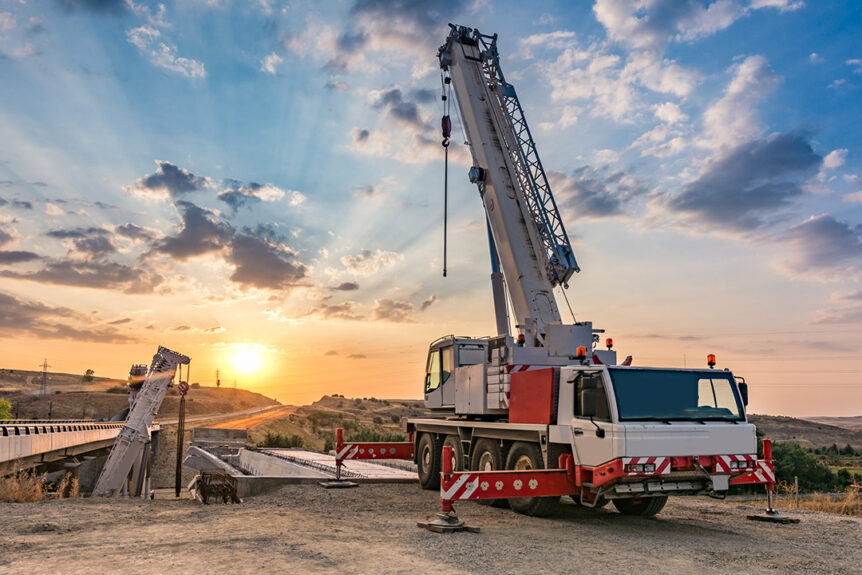
Choosing the right mobile crane is an important part of planning a safe, efficient construction lift. From equipment weight and lifting height to site access and ground conditions, several factors determine which crane is best suited for a project.
While mobile cranes provide reliable lifting solutions for many construction applications, not every site can accommodate traditional equipment. Understanding the available options, their limitations, and when to consider alternative lifting methods can help contractors avoid unnecessary costs and delays.
1. Evaluate Load Weight and Lifting Requirements
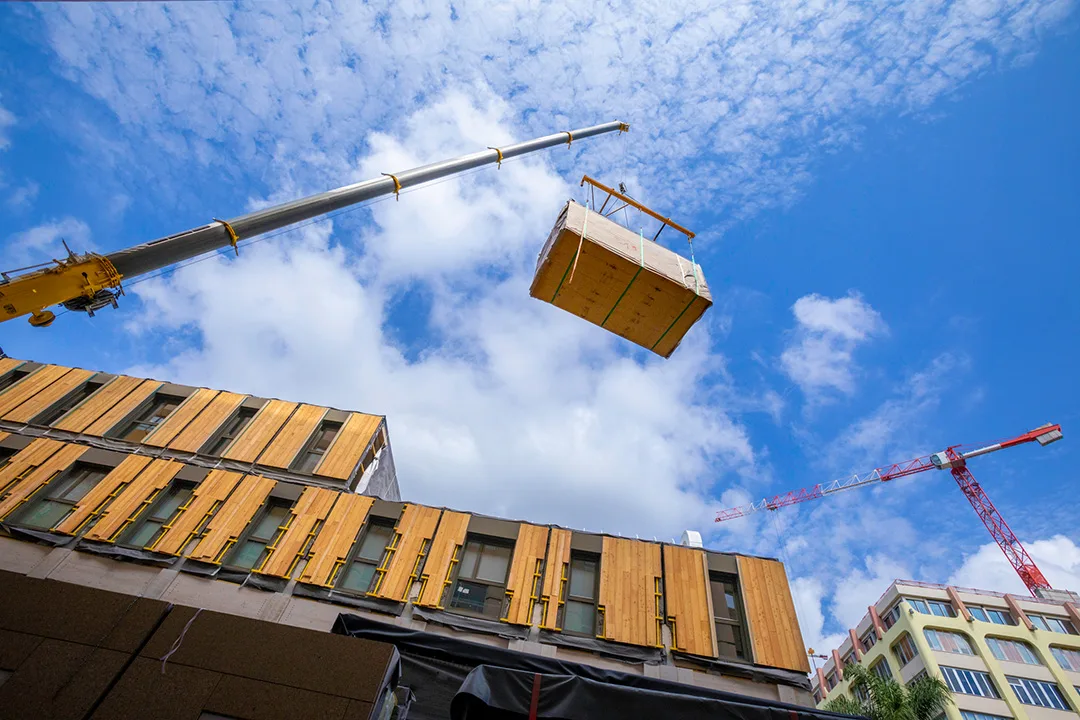
Choosing the right mobile crane requires evaluating lifting capacity, reach, site conditions, and project requirements.
The first step in selecting a mobile crane is understanding exactly what needs to be lifted.
Load weight is a primary consideration, but crane selection involves more than matching equipment capacity to the weight of the material. Contractors must also account for rigging, load dimensions, lifting height, and placement requirements.
Important questions include:
- What is the total lifted weight? Include rigging and lifting accessories.
- How large is the load? Oversized equipment may require specialized handling.
- Where will the load be placed? Rooftops, elevated structures, and confined spaces can complicate positioning.
- How many lifts are required? Multiple lifts may influence equipment selection and project scheduling.
A qualified crane provider should evaluate these requirements against the manufacturer’s load charts before recommending equipment.
2. Understand Crane Reach and Load Radius
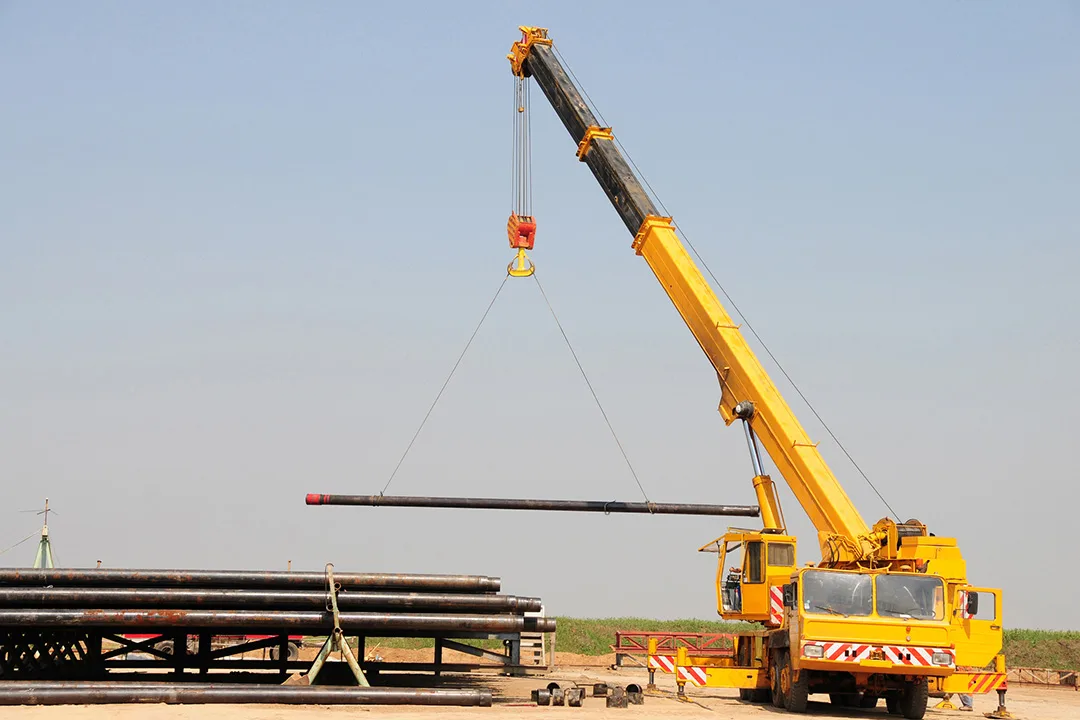
Load weight, dimensions, rigging requirements, and placement height all influence mobile crane selection.
One of the most important factors in mobile crane selection is the relationship between lifting capacity and operating radius.
Load radius is the horizontal distance between the crane’s center of rotation and the load’s center of gravity. As this distance increases, a crane’s available lifting capacity generally decreases.
For example, placing an HVAC unit on a rooftop may require a crane to reach across a parking lot, neighboring structure, or occupied building. Even if the equipment falls within the crane’s maximum rated capacity, the required operating radius may demand a significantly larger crane.
Contractors should evaluate boom length, lifting height, working radius, and potential obstructions before finalizing their lifting plan.
3. Assess Site Access and Ground Conditions
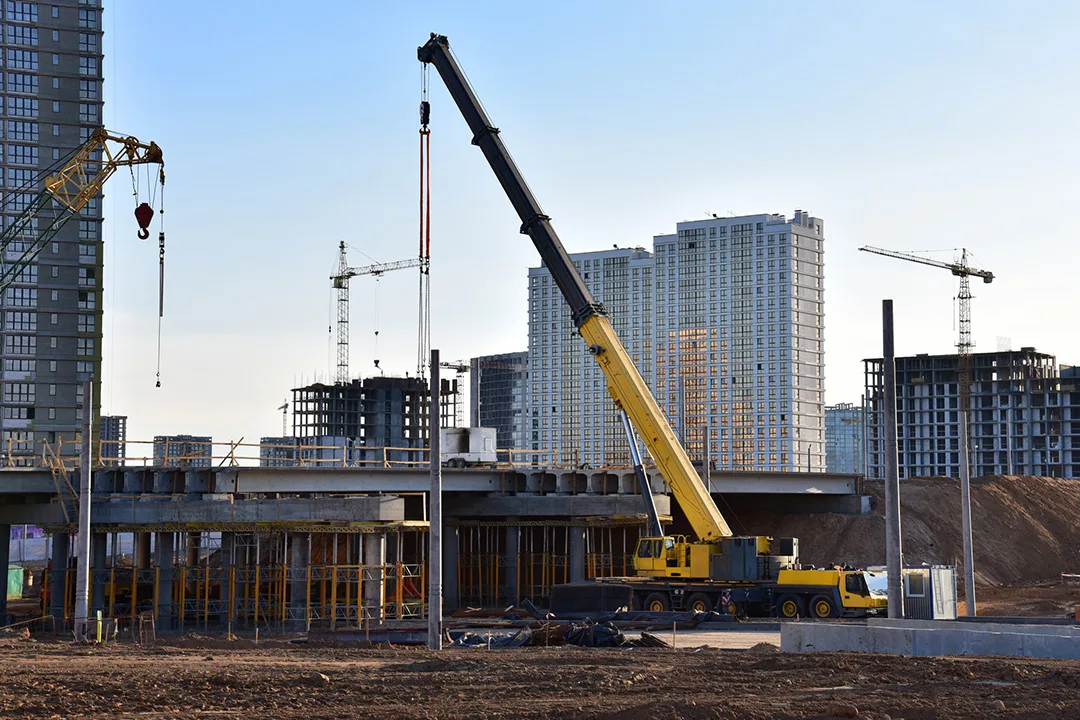
Crane lifting capacity varies with operating radius, making boom reach and load placement critical planning factors.
A crane may have sufficient lifting capacity but still be unsuitable for the project location.
Mobile cranes require adequate access for equipment delivery, setup, and safe operation. Depending on the crane configuration, additional space may be necessary for outriggers, counterweights, and supporting vehicles.
Common site considerations include:
- Ground stability: Soil conditions and bearing capacity must support crane loads.
- Available staging space: Outriggers and equipment require sufficient clearance.
- Access restrictions: Narrow streets, overhead utilities, and nearby buildings may limit positioning.
- Operational disruptions: Road closures, pedestrian restrictions, and occupied facilities can complicate scheduling.
These challenges are particularly relevant to urban construction, commercial rooftop installations, and projects with limited ground-level access.
4. Compare Common Types of Mobile Cranes
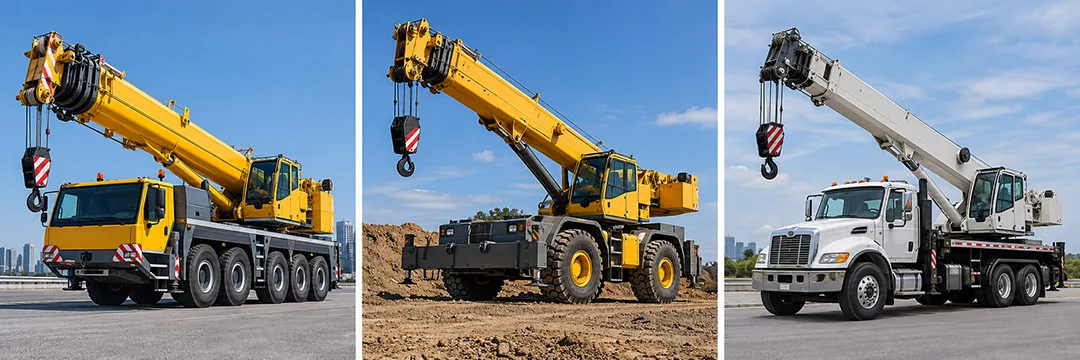
All-terrain, rough-terrain, and truck-mounted cranes offer different capabilities for construction lifting applications.
Different mobile crane configurations serve different construction requirements.
All-Terrain Cranes
All-terrain cranes combine highway mobility with capabilities suited to challenging jobsite conditions. They are commonly used for large commercial construction projects, industrial equipment installation, and demanding lifting operations.
Rough-Terrain Cranes
Designed primarily for off-road jobsite operation, rough-terrain cranes are well suited for construction environments with uneven or undeveloped ground. They typically require transportation between sites.
Truck-Mounted Cranes
Truck-mounted cranes provide road mobility and efficient deployment for a range of construction and equipment-handling applications. Their suitability depends on available lifting capacity, reach, and setup requirements.
Selecting between these options requires evaluating the entire lifting operation rather than crane capacity alone.
5. Know When to Consider a Helicopter Instead
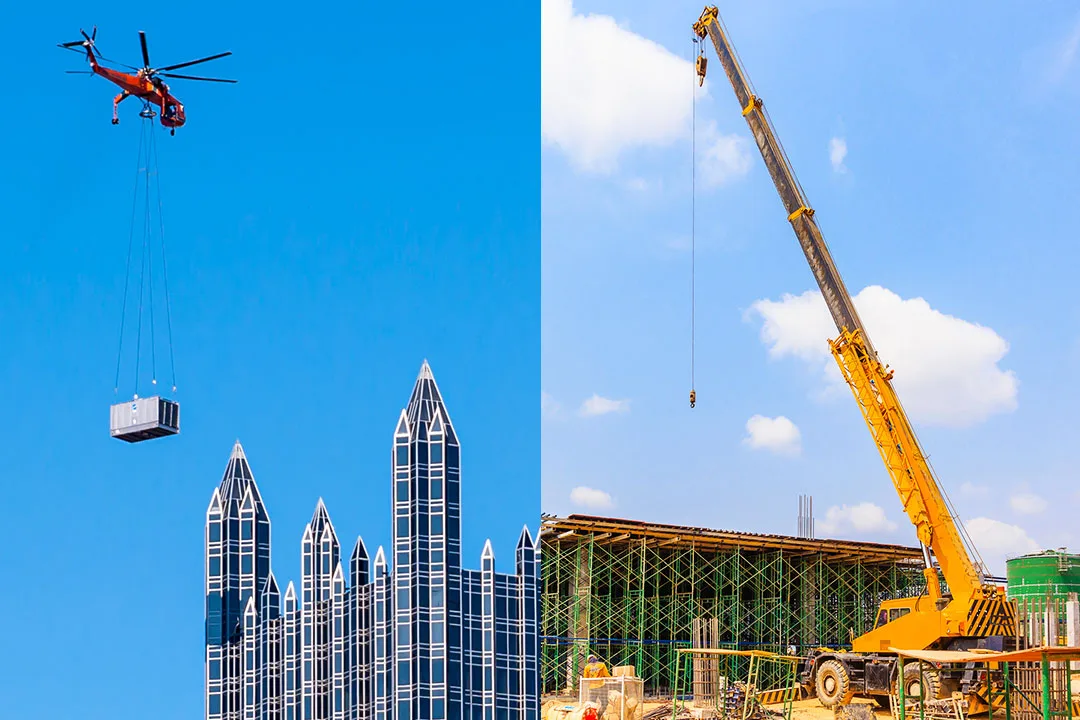
Helicopters and mobile cranes offer different lifting capabilities, with the best solution depending on load requirements, site access, reach, and project conditions.
In some situations, the biggest challenge is not lifting the load but reaching its destination.
Construction helicopters can provide an alternative when conventional cranes require extensive setup, significant operating space, or difficult access arrangements.
Helicopter lifting may be worth evaluating for:
- Rooftop HVAC installations in congested commercial areas
- Remote construction sites with limited road access
- Tower construction and equipment placement
- Projects requiring multiple lifts within a limited operating window
- Locations where crane positioning creates substantial logistical challenges
Unlike ground cranes, helicopters can transport suspended loads directly between designated staging and placement areas, subject to aircraft capacity, weather, airspace restrictions, and operational requirements.
However, helicopter lifting is not automatically the better option. Load characteristics, flight conditions, project location, and overall costs must be evaluated before determining the most practical approach.
Choosing the Right Lifting Solution With Fair Lifts
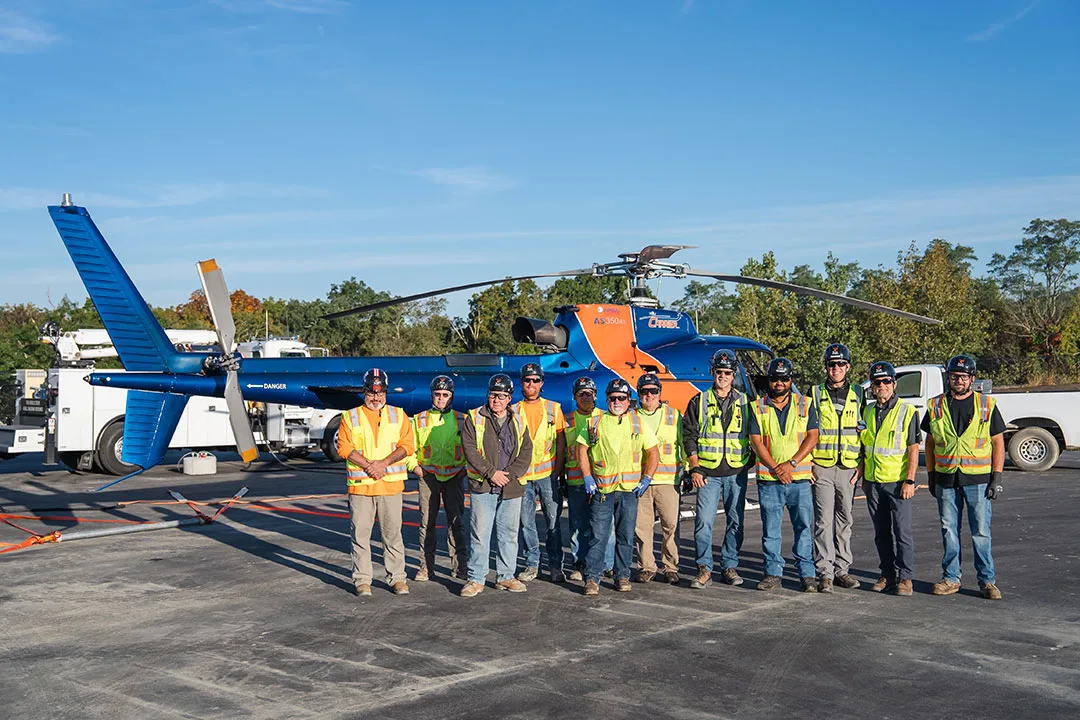
Experienced aviation and ground support crews play an essential role in coordinating safe, efficient helicopter lifting operations for construction projects.
The best lifting solution depends on more than equipment specifications. Load requirements, site conditions, scheduling, safety considerations, and total project costs all influence the decision.
Fair Lifts coordinates ground crane services and construction helicopter operations, helping contractors evaluate available options and identify practical solutions for complex lifting projects.
Whether your project requires a mobile crane, a helicopter, or a combination of both, our team can help coordinate the equipment and planning needed to complete the lift.
Call Fair Lifts at 1-800-318-8940 or reach out to discuss your construction lifting requirements and find the right mobile crane or helicopter solution for your project.