
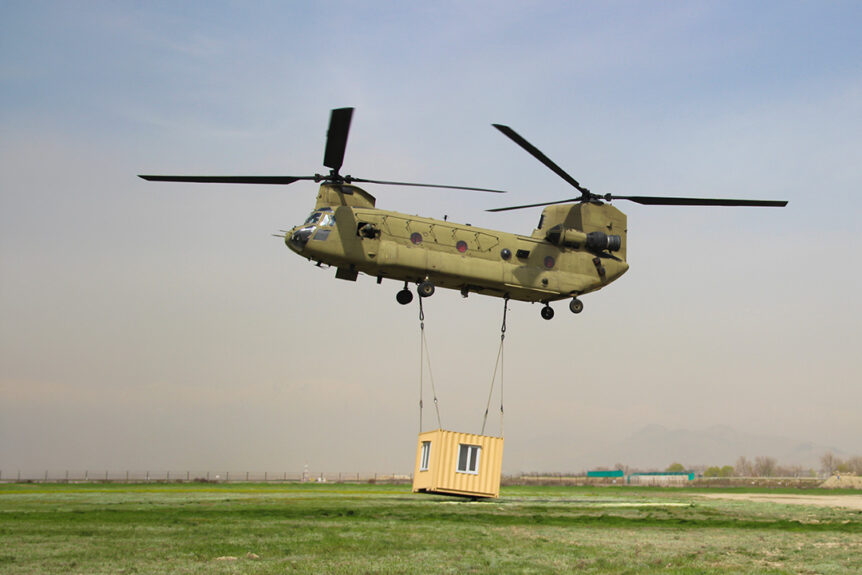
Moving oversized cargo is rarely as simple as getting a large truck from Point A to Point B.
The challenge may be the size or shape of the load, restricted road access, difficult terrain, or a destination that conventional transportation cannot easily reach. In other cases, the cargo may require precise placement or careful handling that makes the final stage of transportation especially difficult.
That is where oversized cargo transportation by helicopter can provide a practical alternative.
Fair Lifts coordinates helicopter transportation for oversized, unusual, and specialized cargo across the United States, Canada, and Mexico. Rather than starting with a particular aircraft, we evaluate the cargo, locations, access, timing, handling, and placement requirements to determine whether an aerial solution makes sense for the project.
What Is Oversized Cargo Transportation?
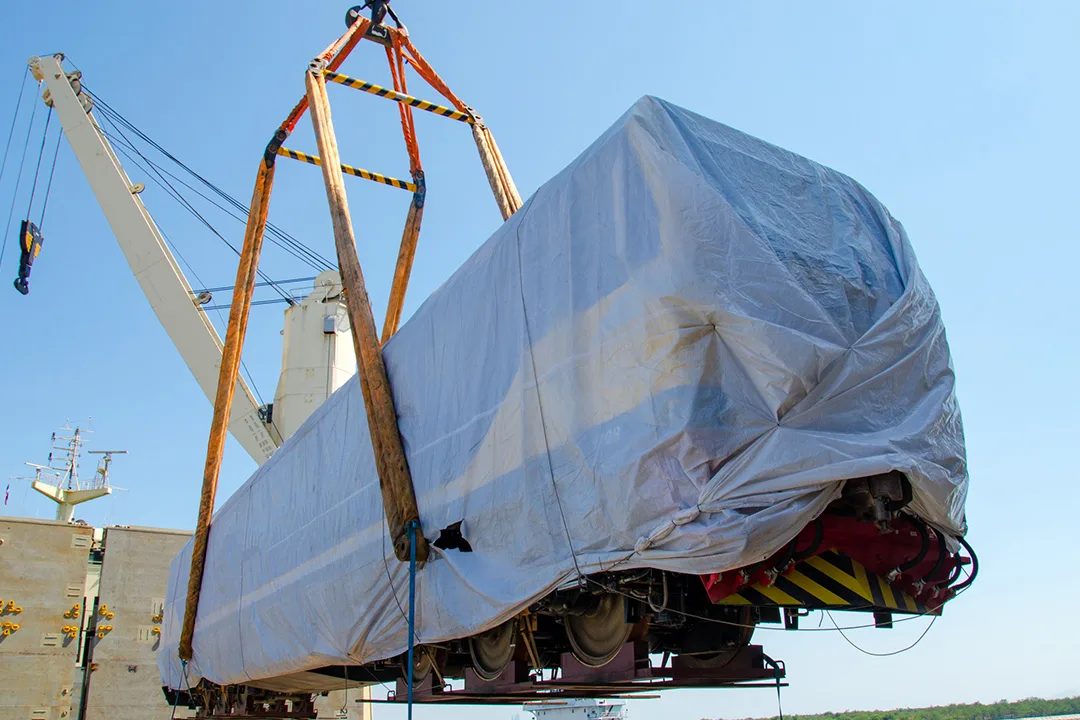
Oversized and unusual cargo can require aerial transportation when size, configuration, access, or handling needs make conventional freight difficult.
Oversized cargo is not limited to one type of equipment or industry. A load can present a transportation challenge because of its dimensions, configuration, weight, handling requirements, destination, or a combination of these factors.
Examples include:
- Industrial machinery and mechanical equipment
- Vehicles
- Structural components
- Construction materials
- Generators
- Specialized equipment
- Sculptures and artwork
- Unusually shaped or delicate cargo
Some oversized loads are exceptionally heavy. Others may fall well within conventional weight limits but become difficult to transport because they are long, wide, irregularly shaped, fragile, or located somewhere difficult to access.
The transportation solution needs to account for the entire mission, not simply how much the cargo weighs.
When Does Oversized Cargo Require a Helicopter?
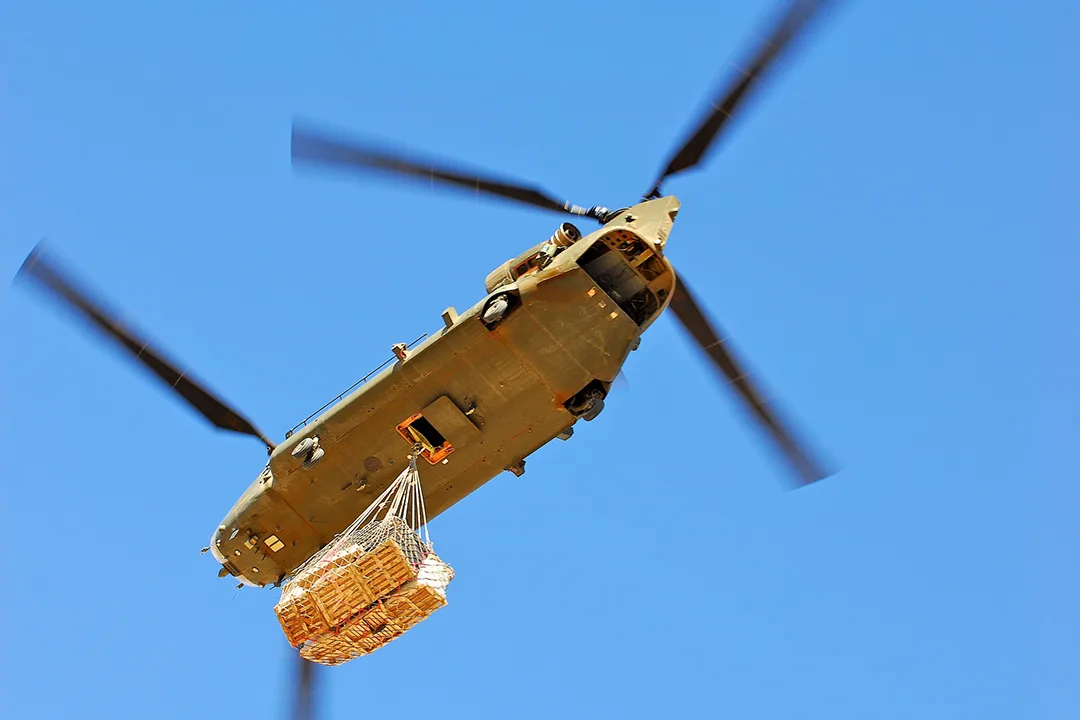
oversized cargo by external load Helicopter transportation can provide direct access to remote, restricted, or difficult delivery locations.
Helicopter transportation is not automatically the best solution for an oversized load. If cargo can be transported safely and economically by truck with straightforward access at both ends, conventional freight may make more sense.
Helicopters become particularly useful when the ground transportation plan creates significant logistical challenges.
Difficult or Limited Access
A load may need to reach a rooftop, remote worksite, mountain location, utility corridor, offshore facility, or another destination that trucks and cranes cannot easily access.
Conventional transportation can sometimes require temporary roads, extensive staging, route modifications, multiple transfers, or additional equipment just to move the cargo into its final position.
A helicopter can bypass many of those obstacles by transporting the load directly between the pickup and delivery areas.
Oversized or Irregular Dimensions
Weight is only one factor in determining how difficult something is to transport.
Long, wide, unusually shaped, or delicate cargo can create challenges even when the total weight is relatively modest. External-load helicopter transportation can accommodate configurations that would otherwise require specialized trailers, route planning, disassembly, or additional handling.
Time-Critical Transportation
Sometimes the cost of waiting is greater than the cost of aerial transportation.
A critical replacement component, piece of machinery, or construction material may need to reach a project quickly to prevent downtime or schedule delays.
In those situations, the transportation decision should consider the financial impact of the delay, not simply the direct cost of moving the cargo.
Direct Delivery and Placement
Getting oversized cargo near its destination is not always enough.
Some projects require equipment or materials to be delivered directly to a rooftop, construction area, remote site, or precise placement point.
A helicopter can combine transportation and final placement into the same operation, reducing additional handling after the cargo reaches the site.
What Makes an Oversized Load Difficult to Transport?
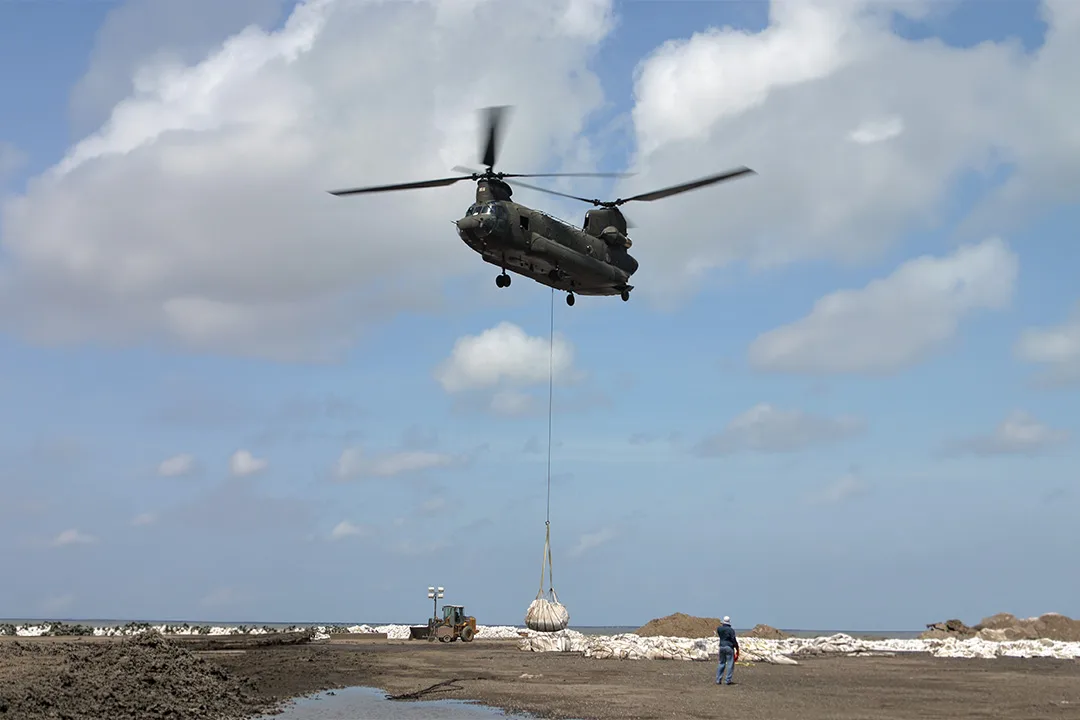
Weight is only one consideration. Load dimensions, configuration, access, rigging, handling, and final placement can all influence the transportation plan.
Two loads of identical weight can require completely different transportation plans.
Fair Lifts evaluates the characteristics of the cargo along with the conditions at the pickup and delivery locations.
Important considerations include:
- Weight: Aircraft capabilities vary, and practical lifting capacity can also be affected by distance, elevation, temperature, weather, and other oper conditions.
- Dimensions and configuration: Length, width, height, shape, and the load’s center of gravity can influence transportation and rigging requirements.
- Handling requirements: Sensitive equipment, artwork, specialized components, and other delicate cargo may require additional planning to limit unnece handling.
- Pickup and delivery locations: Terrain, access, staging space, surrounding structures, and other site conditions can determine whether aerial transport is practical.
- Final placement: Some cargo simply needs to reach a site. Other loads must be positioned at a specific location, making precision part of the transport plan.
- Timing: Aircraft availability, project schedules, weather, site access, and other logistical considerations can influence the overall approach.
This is why determining whether something can be transported by helicopter involves much more than asking,
“How much does it weigh?”
Oversized Cargo Can Mean More Than Heavy Equipment
Oversized cargo often brings industrial machinery and construction equipment to mind, but some of the most challenging projects involve loads that do not fit neatly into a conventional freight category.
Fair Lifts has coordinated aerial transportation involving vehicles, specialized equipment, structural components, and other unusual cargo.
The right question is not whether the load belongs to a particular industry. It is whether the transportation challenge can be solved more effectively from the air.
That could mean recovering a vehicle from inaccessible terrain, transporting a fully assembled aircraft, moving an unusual piece of equipment, or delivering a specialized component directly to a location that would otherwise require extensive ground logistics.
How Is Oversized Cargo Transported by Helicopter?
Many oversized loads are transported as external loads beneath the helicopter.
This approach allows cargo that is too large, long, irregular, or otherwise unsuitable for an aircraft cabin to be transported without being constrained by the helicopter’s internal cargo space.
Rigging and load configuration are planned around the specific cargo and mission. Depending on the project, factors such as load stability, dimensions, center of gravity, pickup conditions, flight path, and placement requirements may all need to be considered.
There is no single aircraft or external-load configuration appropriate for every oversized cargo project.
How Do You Know If Your Cargo Is a Good Candidate?
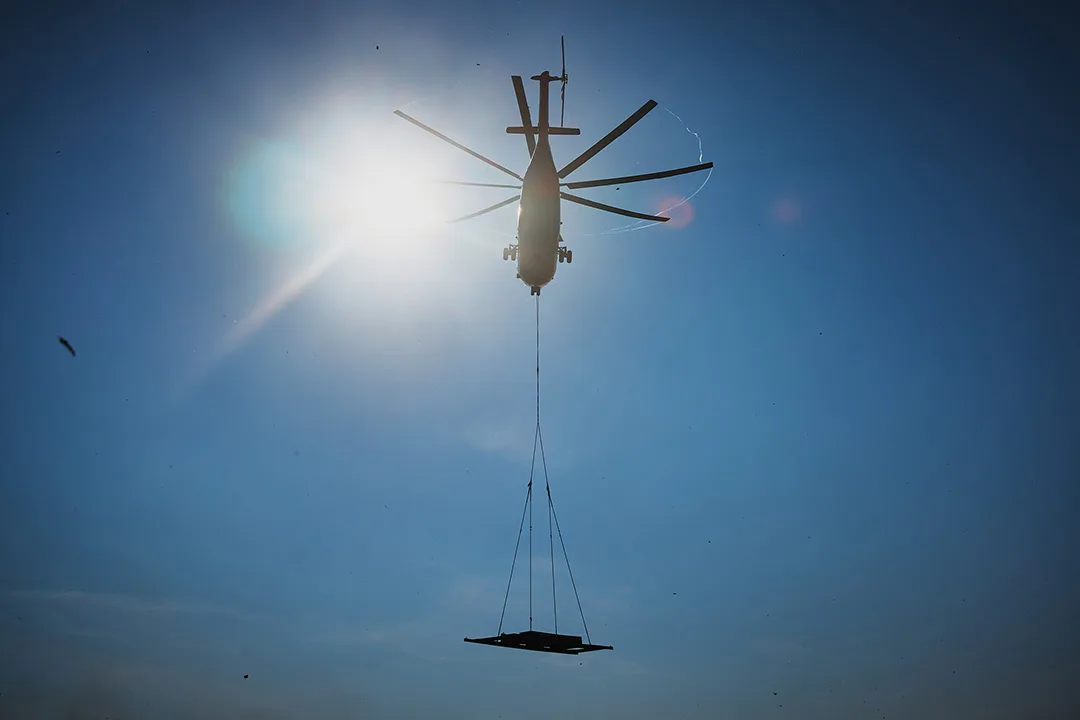
Cargo weight, dimensions, pickup and delivery locations, timing, and placement requirements help determine whether helicopter transportation is practical.
You do not need to select an aircraft or develop an aviation plan before contacting Fair Lifts.
A useful initial evaluation starts with a few basic project details:
- What the cargo is
- Weight
- Dimensions
- Pickup location
- Delivery location
- Required timing
- Handling or placement requirements
Photos, drawings, specifications, and other documentation can also be helpful, particularly when the cargo has an unusual shape or requires specialized handling.
Fair Lifts can use that information to evaluate the transportation challenge, identify additional requirements, and determine what type of aircraft and logistical approach may be appropriate.
Choosing the Right Helicopter for Oversized Cargo
There is no single “oversized cargo helicopter.”
Aircraft capabilities vary considerably. The right helicopter depends on the load as well as the conditions surrounding the mission.
Fair Lifts works backward from the project rather than starting with a particular aircraft. Depending on the mission, the evaluation may consider cargo weight and dimensions, distance, terrain, elevation, placement requirements, aircraft availability, timing, rigging, and site conditions.
A relatively light but awkward load can require a completely different solution from a compact, heavy industrial component.
The goal is not to put the biggest helicopter on every project. It is to identify an aircraft and transportation plan that fits the actual requirements of the mission.
Helicopter vs. Ground Transportation for Oversized Cargo
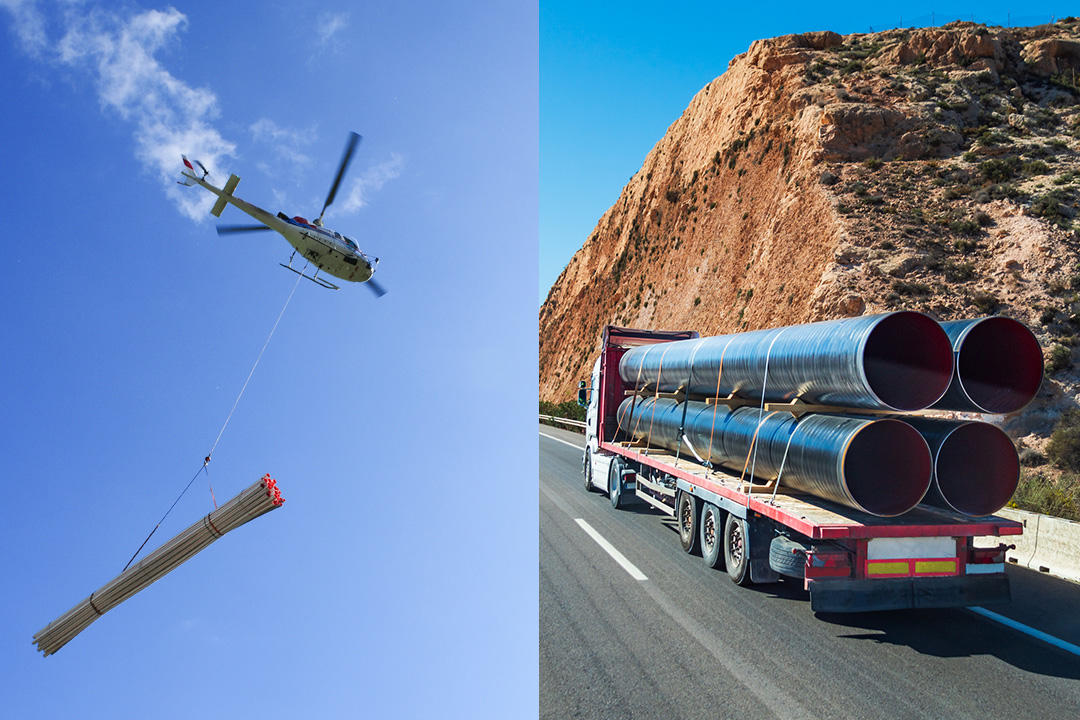
Aerial transportation can reduce ground access, staging, handling, and route challenges for certain oversized cargo projects.
Helicopter transportation will often cost more than conventional freight when comparing transportation rates alone.
That does not necessarily mean it is the more expensive solution for the overall project.
Ground transportation for oversized cargo can involve specialized trailers, route surveys, escorts, permits, road restrictions, temporary access, cranes, staging areas, additional loading and unloading, or extensive travel time.
Helicopter transportation may eliminate or reduce some of those requirements by moving cargo directly between locations.
Helicopter transportation may make sense when:
- Ground access is limited or impossible
- The destination is remote or difficult to reach
- Cargo dimensions make conventional transportation complicated
- Precise placement is required
- Ground transportation requires substantial additional handling
- The project is time-sensitive
- Downtime or delays have significant costs
Ground transportation may make more sense when:
- Pickup and delivery locations are easily accessible
- The cargo can be transported economically by truck
- Specialized ground logistics are minimal
- Additional handling is manageable
- Helicopter transportation provides little practical advantage
The useful comparison is not simply helicopter cost versus truck cost. It is the total logistics, time, equipment, access, and handling required to accomplish the same objective.
What Does Oversized Cargo Transportation Cost?
There is no reliable flat rate for oversized cargo transportation by helicopter.
The cost of transporting oversized loads depends on factors such as the aircraft required, location, flight time, cargo specifications, mobilization, rigging, ground support, staging, and overall project complexity.
A short flight does not necessarily mean a low-cost project. The aircraft may need to travel a significant distance to reach the site, and mobilization or project-specific requirements can represent a substantial portion of the overall cost.
This is why meaningful pricing requires information about the actual project.
Providing the cargo weight and dimensions, pickup and delivery locations, timing, and any known placement requirements gives Fair Lifts a strong starting point for evaluating available options.
Real-World Oversized Cargo Transportation
The range of oversized cargo projects Fair Lifts has coordinated demonstrates why there is no standard solution for unusual loads.
Transporting a Fully Assembled Electric Aircraft

Fair Lifts executed the aerial transportation of Beta Technologies’ fully assembled ALIA CX300 utilizing a Sikorsky S-61 for its journey to the 2025 Paris Airshow.
Fair Lifts executed the aerial transportation of Beta Technologies’ fully assembled ALIA CX300 electric aircraft for DHL’s 2025 Paris Airshow shipment.
A Sikorsky S-61 transported the aircraft, weighing under 7,000 pounds with its pallet and rigging, from Atlantic Aviation to the Port of Wilmington.
The mission involved much more than selecting a helicopter. Fair Lifts coordinated with multiple agencies and stakeholders around airspace, road, and rail closures, including the I-295 bridge, while specialized rigging and flight planning helped protect the aircraft’s composite structure throughout the operation.
The project demonstrates how helicopter transportation can solve a cargo challenge involving unusual dimensions, specialized handling, infrastructure coordination, and a time-sensitive international logistics schedule.
Vehicle Recovery from a Remote Utah Ravine
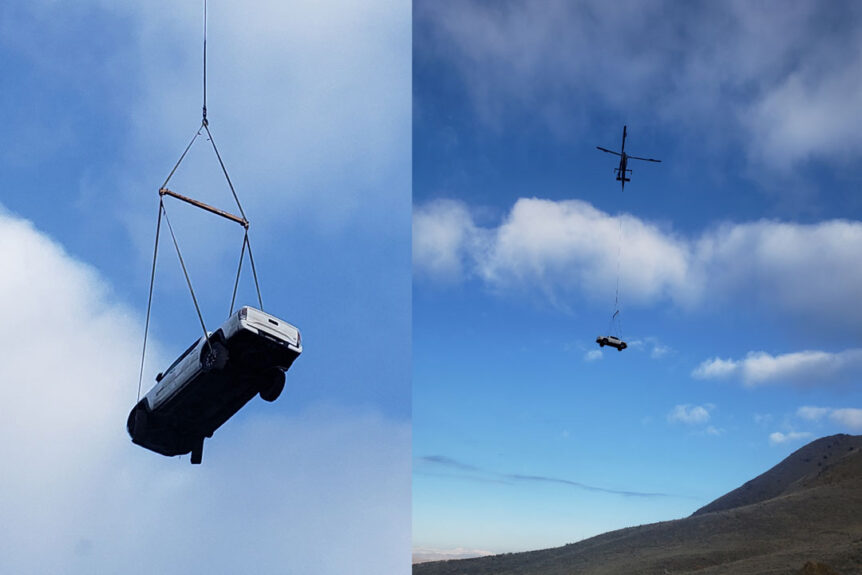
Fair Lifts performed a Kaman K-MAX helicopter recovery to remove a stranded pickup truck from difficult terrain in Genola, Utah.
Not every oversized cargo project begins at a loading dock.
In Genola, Utah, a pickup truck became stranded in a remote ravine where conventional ground recovery was difficult. Fair Lifts performed a Kaman K-MAX helicopter recovery lift to remove the vehicle from the terrain and transport it to a location where it could be safely recovered.
The project demonstrates another side of oversized cargo transportation. Sometimes the primary challenge is not the size or weight of the load. It is getting the cargo from a location conventional transportation cannot practically reach.
Planning an Oversized Cargo Transportation Project
Getting Fair Lifts involved early provides more opportunity to evaluate aircraft, transportation methods, site requirements, and scheduling options.
You do not need to arrive with a complete aviation plan.
Start with what you know about the cargo, including its weight and dimensions, where it is located, where it needs to go, and when it needs to arrive. From there, Fair Lifts can help identify the additional information required and coordinate an appropriate aviation solution.
Whether the project involves industrial machinery, a vehicle, construction materials, specialized equipment, or cargo that simply does not fit the conventional transportation model, the first step is determining whether moving it by helicopter provides a practical advantage.
Discuss Your Oversized Cargo Transportation Project
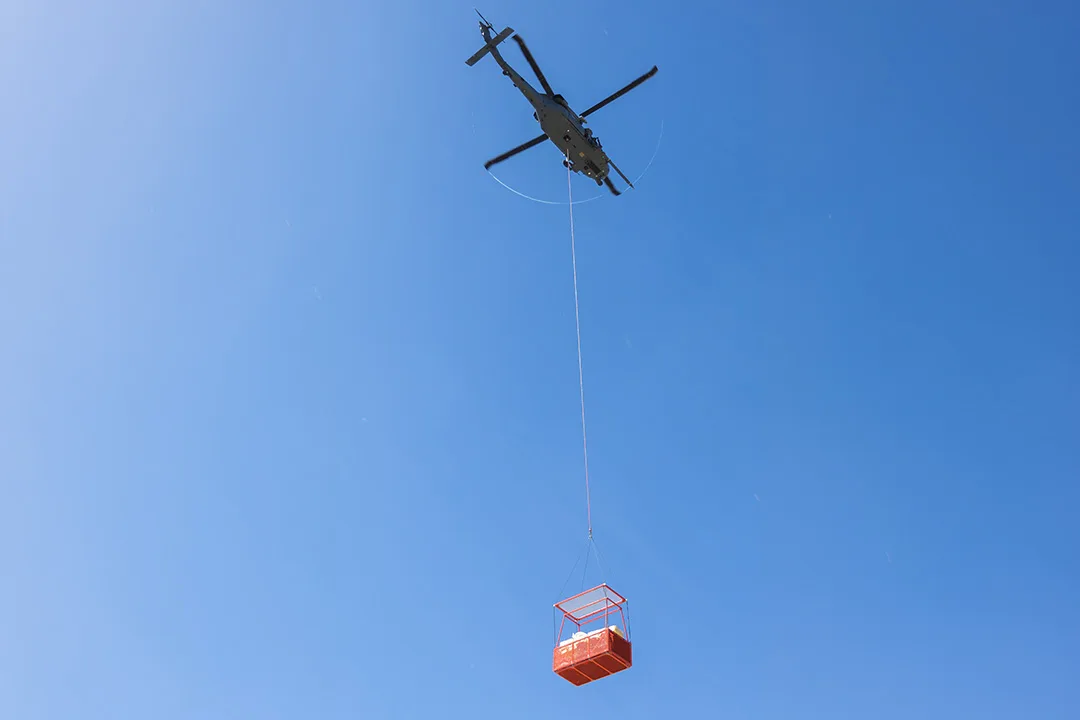
Fair Lifts coordinates aircraft, logistics, rigging requirements, access, and project planning for oversized and specialized cargo transportation.
Have oversized or unusual cargo that is difficult to move using conventional transportation?
Fair Lifts can evaluate your cargo transportation requirements, including load specifications, access, timing, handling, and delivery needs, to determine whether helicopter transportation is the right solution.
Contact Fair Lifts to discuss your requirements and explore the right transportation solution for your project.
Oversized Cargo Transportation FAQs
What is oversized cargo transportation?
Oversized cargo transportation involves moving loads that present challenges because of their size, weight, shape, handling requirements, or destination. Helicopters can provide an alternative when conventional ground transportation becomes difficult or impractical.
Can helicopters transport oversized cargo?
Yes. Helicopters can transport many oversized and unusual loads using an appropriate external-load configuration. Feasibility and aircraft selection depend on the cargo specifications, locations, distance, operating conditions, and mission requirements.
What types of oversized cargo can helicopters transport?
Potential cargo includes industrial machinery, mechanical equipment, construction materials, vehicles, structural components, specialized equipment, sculptures, and other unusual loads. Each project needs to be evaluated individually.
How much weight can a helicopter lift?
Lifting capacity varies considerably by aircraft and operating conditions. Distance, elevation, temperature, weather, cargo configuration, and other factors can affect the practical payload available for a specific mission.
What information do I need for an oversized cargo transportation quote?
Start with the cargo weight and dimensions, pickup and delivery locations, and required timing. Photos, drawings, specifications, and information about handling or final placement can also help Fair Lifts evaluate the project.
Can helicopters transport delicate or unusual cargo?
Depending on the cargo, yes. Sensitive or unusual loads may require specialized rigging, handling, flight planning, and transportation configurations. Those requirements should be evaluated as part of the initial project planning.
Is helicopter transportation cheaper than trucking for oversized cargo?
Not necessarily when comparing transportation rates alone. A helicopter can become economically practical when ground transportation requires substantial route planning, specialized equipment, additional handling, access work, staging, or when project delays and downtime carry significant costs.