

Comprehensive Lifting Solutions for Industry and Commerce
Mobile and construction crane services for projects where load, reach, access, staging, and site conditions determine the right lifting strategy. Fair Lifts coordinates ground cranes, helicopters, and combined lifting solutions around the specific requirements of each project.

Crane Solutions Matched to the Project
Equipment selected around Each Project's load weight, reach, site access, and lift conditions.

Mobile & Construction Crane Services
Crane support for HVAC, equipment, structural materials, machinery, and specialized lifts.

Ground & Aerial Lift Coordination
One point of contact for projects requiring cranes, helicopters, or a combination of both.
Planning Through Lift ExecutionNationwide
Support for equipment selection, staging, scheduling, site logistics, and lift coordination.
Trusted by clients across North America and worldwide:


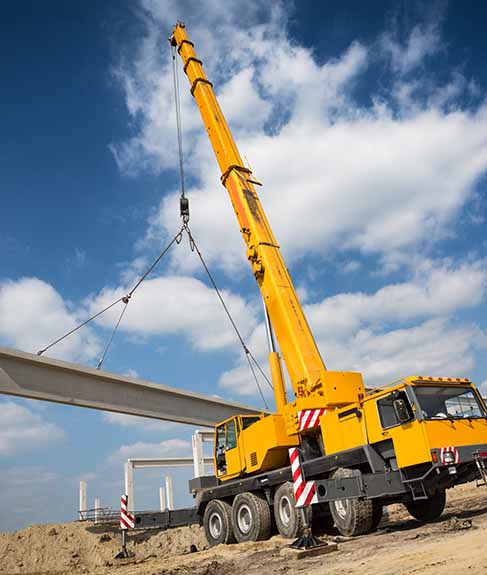
Is a Ground Crane the Right Approach?
Ground cranes are often the most practical choice when a site provides sufficient access, staging space, and ground support. They can efficiently handle repeated lifts, longer-duration projects, and work where equipment can be positioned close to the lift area.
But the crane that can make the lift is not always the crane that makes the most sense.
Fair Lifts looks beyond lifting capacity to evaluate:
Load weight and dimensions
Operating radius and lift angle
Ground and road capacity
Crane access and staging
Counterweight requirements
Number and location of lifts
Road or parking closures
Mobilization and setup
Project schedule constraints

Crane, Helicopter, or Both?
Some projects are best served by a ground crane. Others benefit from eliminating ground access and staging requirements with a helicopter. Complex projects may use both.
Construction Crane Options for Complex Lifts
Different projects require different combinations of capacity, reach, mobility, setup, and site access. Fair Lifts coordinates crane equipment around the actual requirements of the job.
01

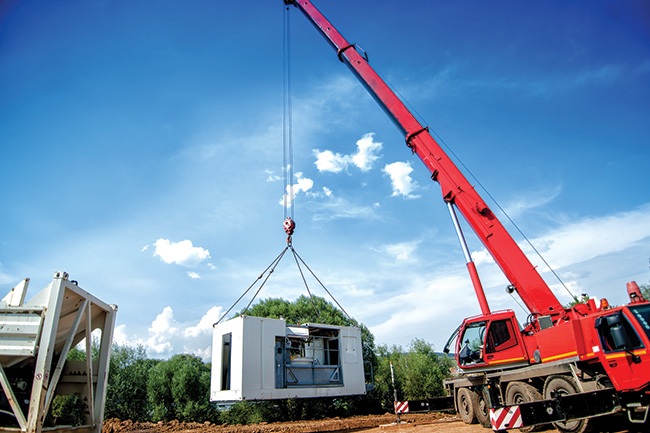
Mobile Cranes
Flexible lifting for accessible job sites.
A practical option when mobility, efficient setup, and conventional site access are important.
02
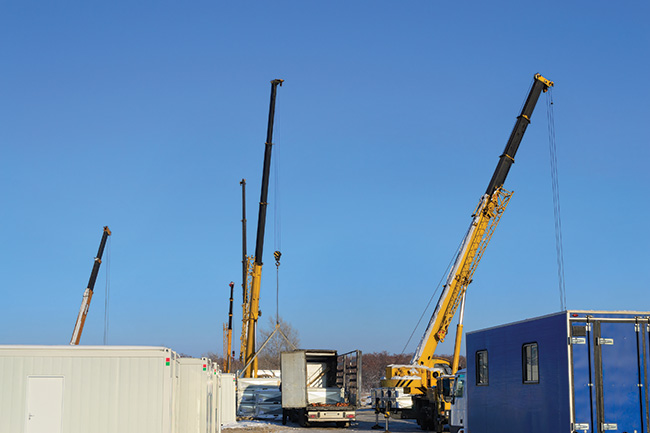
Telescoping Cranes
Reach and capacity with flexible setup.
Hydraulic telescoping cranes provide useful combinations of mobility, reach, and lifting capacity when site conditions allow.
03

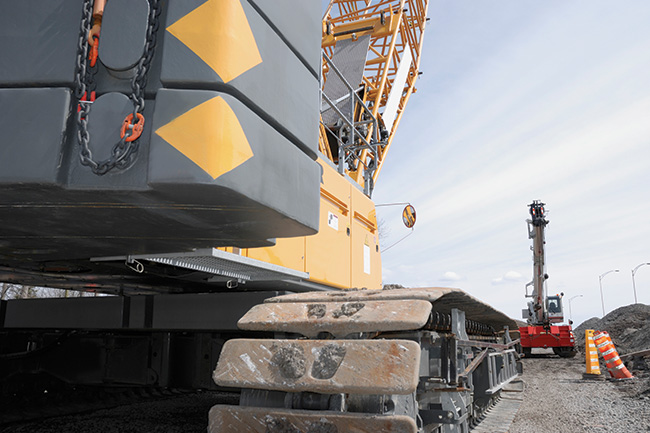
Crawler Cranes
Heavy capacity and jobsite stability.
Crawler cranes can provide substantial lifting capacity and stability for demanding construction projects, but their size, mobilization, and ground requirements need to be considered during planning.
04

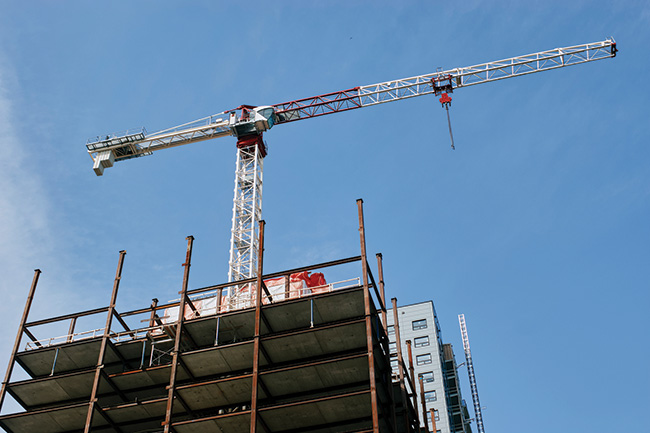
Tower Cranes
Long-term lifting from a fixed position.
Tower cranes can make sense for construction projects requiring repeated lifts from a central position, but installation, project duration, and site footprint can significantly affect the project.

05

All-Terrain & Specialized Cranes
Additional options for unique lift requirements.
Depending on the site, Fair Lifts can coordinate other crane configurations and specialized equipment when a conventional mobile crane is not the right fit.
The Crane Follows the Project, Not the Other Way Around.
Equipment selection is based on load, reach, access, staging, site conditions, and the overall requirements of the lift.Call 1-800-318-8940 anytime. Free, no-obligation quotes, often same-day.
What Can Make a Mobile or Construction Crane Project Difficult?
A crane may have sufficient capacity on paper and still be a poor fit for the site.
01
Access & Mobilization
Large construction cranes require significant space and may need specialized transportation, counterweights, and preparation before they can make a single lift. If the crane cannot reach the site or the site cannot support it, capacity alone does not solve the problem.02
Reach & Radius
As lifting radius increases, the required crane capacity can increase dramatically. A relatively manageable load may require a much larger crane simply because of how far it needs to travel.03
Staging & Repositioning
A project may require lifts from several locations around a building. Using one appropriately positioned crane can be preferable to bringing in multiple cranes, but the right choice depends on reach, access, and the number of lifts.04
Ground Conditions
The site needs to support not only the crane itself, but the loads and forces generated during operation. Soft ground, restricted access, or inadequate staging areas can change the equipment requirements entirely.05
Site Disruption
The crane may be capable of doing the work while still creating an unacceptable closure footprint. Parking lots, roads, pedestrian areas, and active facilities can all place constraints on how and when the crane operates.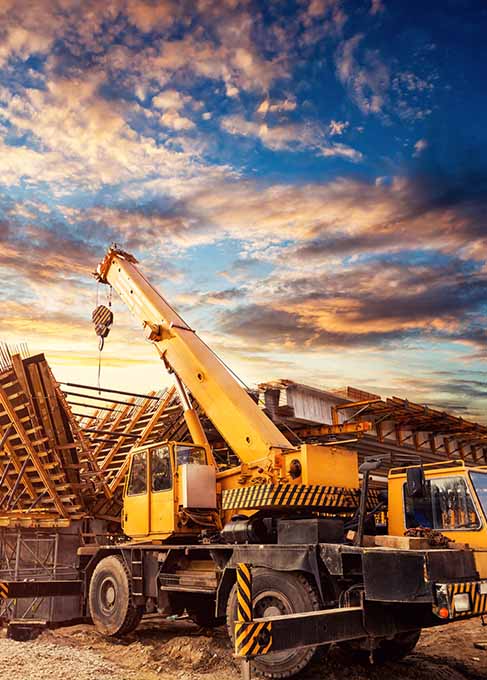
Ground Crane, Helicopter, or Both?
The right lifting method depends on the project, the site, and how the work needs to be completed.
GROUND CRANE
Best when site access supports conventional lifting.Suitable access and staging space
Multiple lifts from one setup
Equipment can remain on site
Practical working radius and reach
Helicopter
Best when access, reach, or disruption makes crane use difficult.Limited or restricted ground access
Long reach requirements
Minimal site occupation
Reduced road and parking closures

COMBINED APPROACH
Best when different portions of the project require different lifting methods.Crane handles accessible lifts
Helicopter reaches difficult locations
Equipment matched to each phase
Flexible planning for complex sites
One Project Can Require More Than One Solution
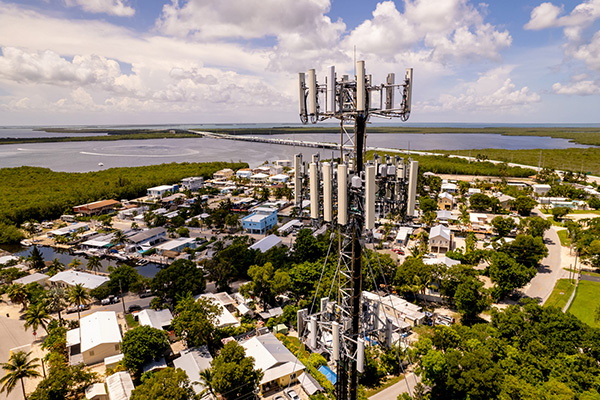
Tower Construction
Use a ground crane for accessible lower sections, then transition to helicopter lifting when height, reach, or crane requirements become impractical.
HVAC Installation
Use a ground crane for rooftop equipment within reach, while helicopter lifts handle deeper locations or sites with limited crane access.Call 1-800-318-8940 anytime. Free, no-obligation quotes, often same-day.
How Fair Lifts Determines the Right Lift Strategy
Fair Lifts does not start with a particular crane and try to make the project fit it.
We start with the project.

Understand the Lift
We review load weights, dimensions, quantities, pick locations, set locations, and the sequence of work.Evaluate the Site
We assess crane access, staging, operating radius, load capacity, traffic, closures, and other site constraints.Compare the Options
We determine the practical crane solution, then evaluate whether a helicopter or combined approach could improve the project.Build the Practical Plan
Fair Lifts coordinates the equipment and lifting resources around the actual requirements of the job.The Evaluation Leads to the Right Approach
GROUND CRANE
Access + Staging + PracticalReach
HELICOPTER
Limited Access + Extended Reach + Reduced DisruptionCOMBINED
Different Methods for Different Project PhasesA Practical Lift Plan Built Around the Project
The right equipment, resources, and lift strategy for a safer, more efficient project.Have a Lift to Plan?
Share your project requirements and Fair Lifts can help evaluate the appropriate lifting strategy.
Call 1-800-318-8940 Today!
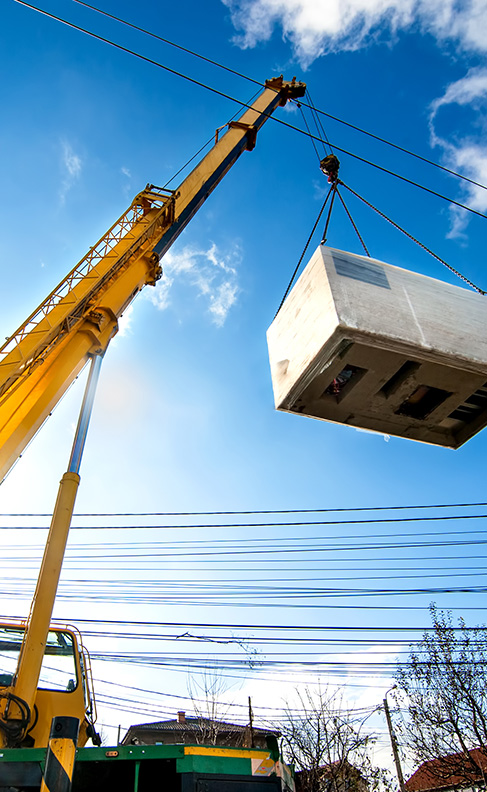
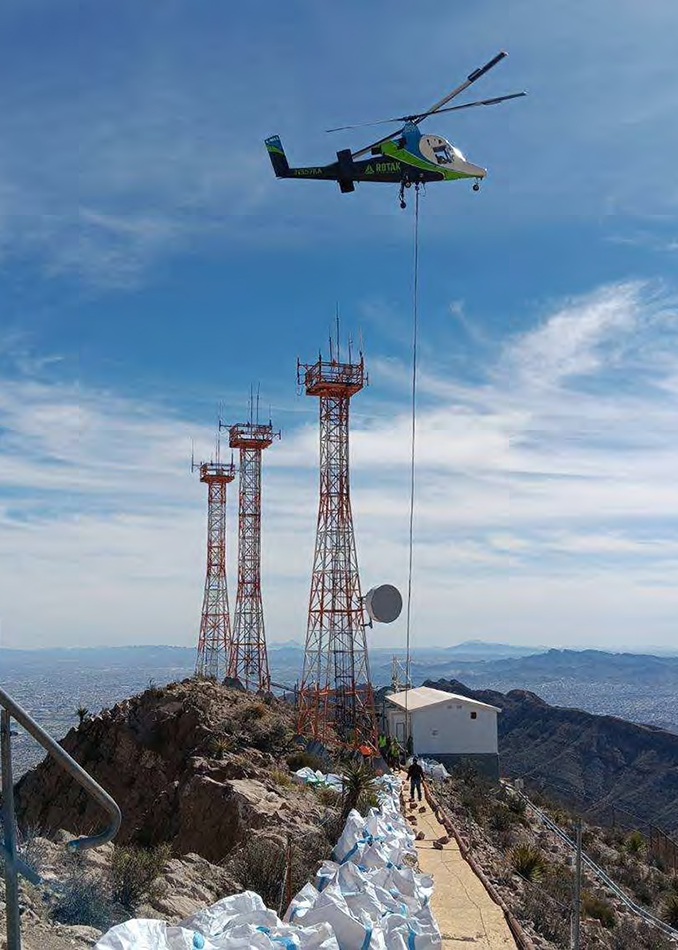
Ground Crane Solutions for Complex Lifting Projects
Fair Lifts coordinates ground crane services for construction, mechanical, industrial, and infrastructure projects requiring the right combination of capacity, reach, access, and site planning.

HVAC EQUIPMENT
Rooftop units and mechanical systems
GENERATORS
Generators and heavy mechanical equipment
STRUCTURAL STEEL
Steel components and building structures
BUILDING MATERIALS
Construction materials and equipment
TOWER SECTIONS
Telecom and structural tower components
INDUSTRIAL EQUIPMENT
Machinery and specialized equipment
WIND ENERGY
Turbine service and components
INFRASTRUCTURE
Construction and infrastructure projects
Equipment is selected around the project's load, radius, reach, access, and site requirements.

Planning a Ground Crane Lift?
Early planning creates more options for equipment selection, access, staging, and scheduling.
Call 1-800-318-8940 anytime.
Construction Crane Projects Where the Right Strategy Matters
Every lift presents different constraints. These projects show how Fair Lifts evaluates the factors that determine the right approach.
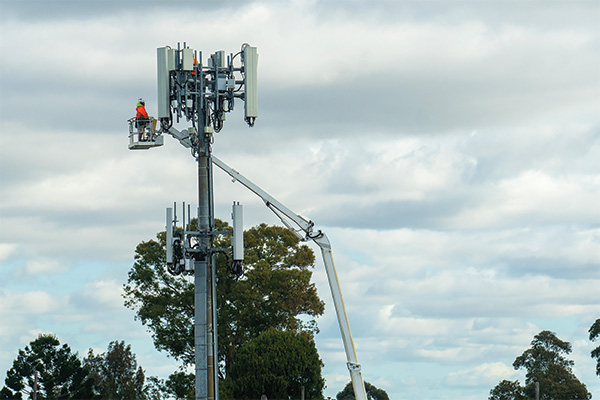
252-Foot Tower Construction
A 252-foot tower was divided into 14 sections weighing from under 1,000 pounds to more than 16,000 pounds. While the client selected a full ground-crane solution, Fair Lifts also evaluated aerial lifting for the lighter sections, demonstrating how different lifting methods can be considered within the same project.
The Takeaway: Tower height alone does not determine the lifting strategy. Load weight, reach, crane requirements, and project economics all matter.
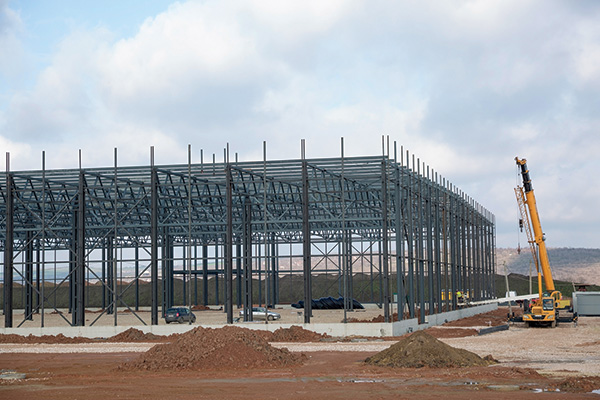
Steel Beams & Columns | Nicklaus Children's Hospital
This hospital construction project required placement of 25 to 30 steel beams and four large columns, with beams reaching approximately 70 feet and weighing up to 11,270 pounds. The project highlighted how lift volume, construction schedule, site disruption, and equipment requirements can influence the choice of lifting method.
The Takeaway: The lowest equipment cost does not always translate to the lowest overall project cost.
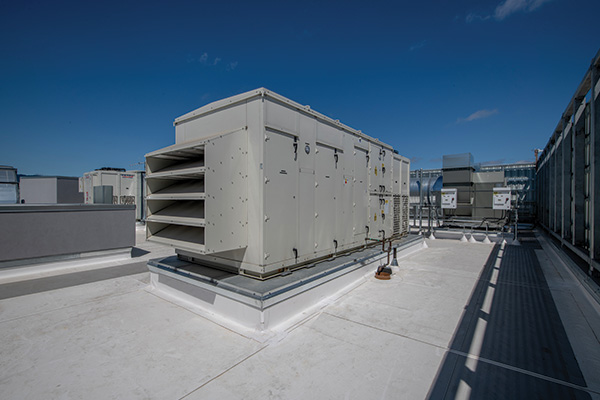
Rooftop HVAC Replacement
An 11,500-pound rooftop unit needed replacement at a four-story medical building, but available road access made reaching the unit with the initial crane approach difficult. Fair Lifts evaluated alternative crane positions, including access near the water and the use of a smaller crane from an available pathway.
The Takeaway: The right crane depends on where it can safely operate, not simply how much it can lift.
Early planning creates more options and fewer surprises once construction begins.
Call 1-800-318-8940 anytime.
Why Fair Lifts for Ground Crane Services?
One project. The right equipment. A strategy built around the actual job requirements.
01
We Start With the Project
We evaluate access, staging, radius, load requirements, closures, mobilization, and sequencing before determining the appropriate lifting approach.

02
We’re Not Limited to One Solution
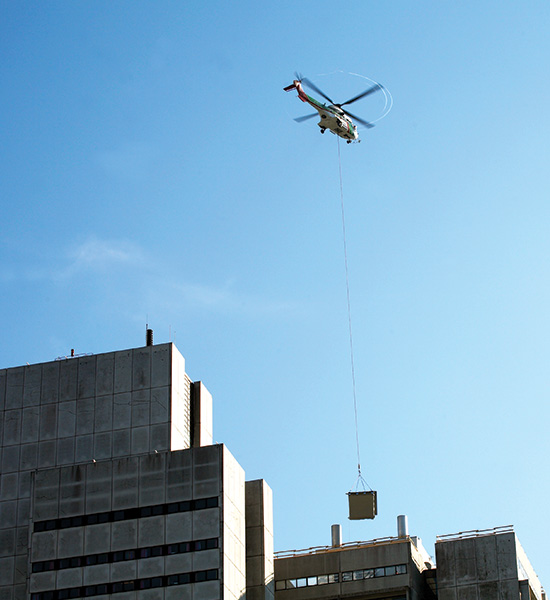
If a ground crane makes sense, we coordinate it. If a helicopter or combined approach is more practical, we can build the strategy around that.
03
Access to Crane Resources Nationwide
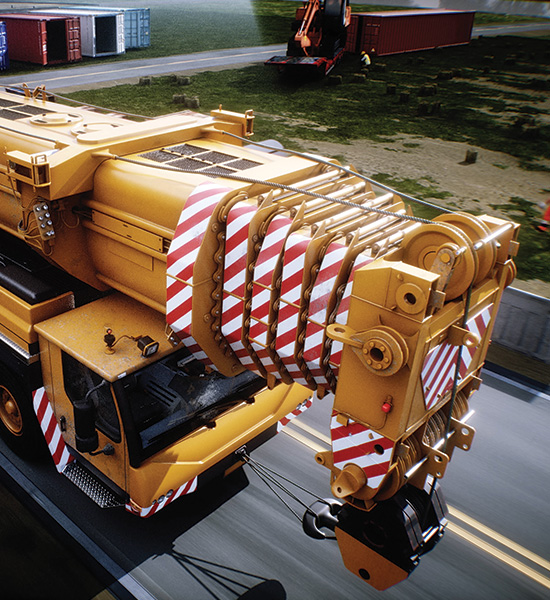
Fair Lifts coordinates with a broad network of crane resources, helping match equipment availability and capability to project requirements across the country.
04
Planning for Complex or Changing Projects
When access, equipment availability, site conditions, safety requirements, or schedules change, we help reassess the lift & develop a practical path forward.
Project Requirements
We assess your goals, constraints, and site conditions.Equipment + Planning
We match the right resources and develop the lifting strategy.Lift Strategy
A safer, more efficient project with the right approach.Ready to Discuss Your Lift?
Early planning creates more options for equipment selection, access, staging, and scheduling.
Call 1-800-318-8940 anytime.
Not Sure Which Lift Strategy Makes Sense?
You don't need to know whether you need a 55-ton crane, a 450-ton crane, a helicopter, or a combination before you call.
Tell us what you're moving, where it needs to go, and what constraints you're working with. Fair Lifts can help determine the most practical lifting strategy for the project.
WHAT ARE YOU MOVING?
Weight, dimensions, and quantity.WHERE DOES IT NEED TO GO?
Pick point, set location, and required reach.WHAT ARE THE SITE CONDITIONS?
Access, staging, closures, scheduling, and other constraints.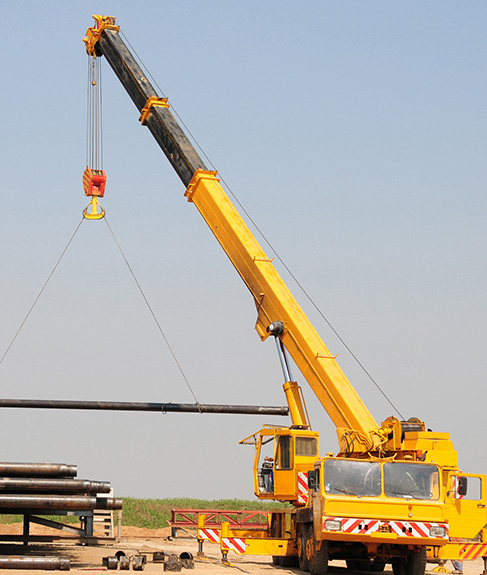
Mobile & Construction Crane FAQs
What type of ground crane does my project need?
It depends on the load, lifting radius, site conditions, staging requirements, and number of lifts. A lighter mobile crane may be ideal for a straightforward accessible lift, while a larger hydraulic, crawler, or tower crane may be necessary for greater capacity or reach.
Can Fair Lifts combine ground cranes and helicopters?
Yes. Some projects are best handled with both. Different portions of a project may have different access, reach, or capacity requirements, making a hybrid strategy more efficient than relying entirely on one lifting method.
Is a ground crane cheaper than a helicopter?
Not necessarily. Ground cranes generally have a lower hourly operating cost, but the total project cost also includes mobilization, counterweights, setup, breakdown, repositioning, road closures, and time on site. Fair Lifts evaluates the total lifting strategy rather than comparing hourly rates alone.
Can Fair Lifts help during the bidding stage?
Yes. Early planning can identify crane requirements, mobilization considerations, access issues, and alternative lifting strategies before they become expensive problems. Fair Lifts can help contractors evaluate whether the proposed lifting approach is practical before committing to a bid.
When should I consider a helicopter instead of a ground crane?
A helicopter is worth evaluating when the required crane would be unusually large, access or staging is difficult, multiple setups are required, the site cannot tolerate extended closures, or schedule and disruption are significant concerns.
Call 1-800-318-8940 Today
Free, no-obligation consultations available.
Explore Other Lift Solutions
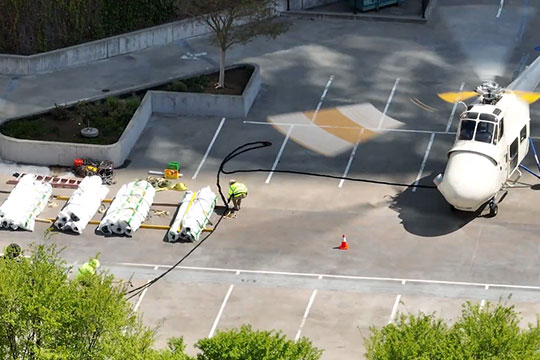
Heavy Lift Helicopter Services
When reach, access, speed, or site disruption make aerial lifting a better option.
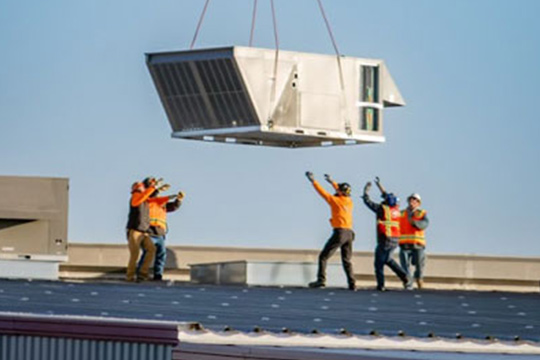
HVAC Helicopter Lifts
Specialized aerial solutions for rooftop HVAC installation and replacement.

Tower Construction
Ground and aerial lifting strategies for tower assembly, including projects where combining methods makes the most sense.
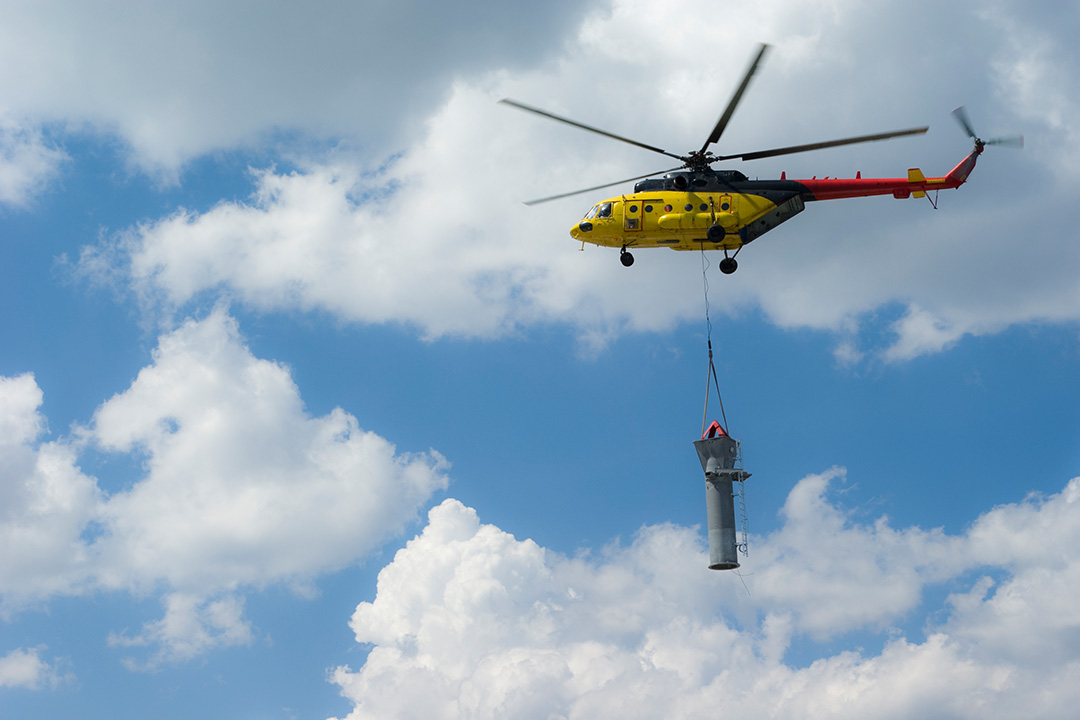
Helicopter Cranes
Precision aerial lifting and equipment placement for challenging construction and industrial projects.
Call 1-800-318-8940 Today
Free, no-obligation consultations available.