
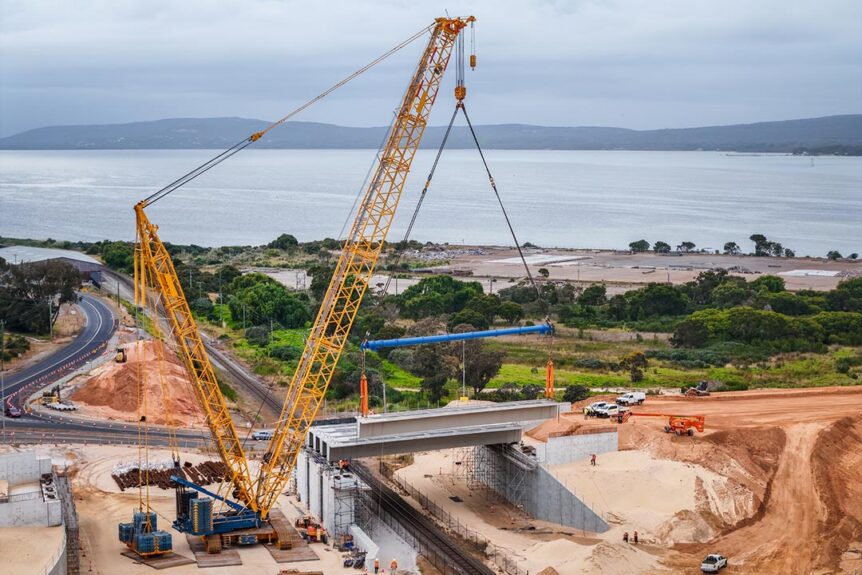
Choosing between renting a mobile crane and hiring a crane service affects more than the equipment budget. The decision also determines who handles the operator, lift planning, site preparation and the practical details that keep a project moving.
For general contractors, mechanical contractors and facility managers, the right option depends on the lift itself, the conditions at the site and the level of responsibility your team can take on.
Understanding what each arrangement includes helps you compare the full cost of the job rather than the crane rate alone. Exploring the available ground crane options and services can also help clarify which arrangement makes the most sense for your project.
What Is the Difference Between Crane Rental and Crane Service?
Equipment rental and full-service lifting solutions offer different levels of operational support, making it important to evaluate the project’s requirements before selecting an approach.
A mobile crane rental provides access to equipment under an agreed rental arrangement. Depending on the provider and contract, the rental may be bare equipment or include an operator.
A crane service generally covers a more complete lifting operation. The scope may include the crane and operator, lift planning, rigging, setup requirements and the personnel needed to execute the work safely. Confirm the specific scope with each provider because service packages vary.
The important distinction is who is responsible for making the lift work.
With a basic rental, your team may need to arrange additional services and manage more of the preparation. With a more comprehensive crane service, more of those responsibilities can be included in the project scope.
When Does Mobile Crane Rental Make Sense?
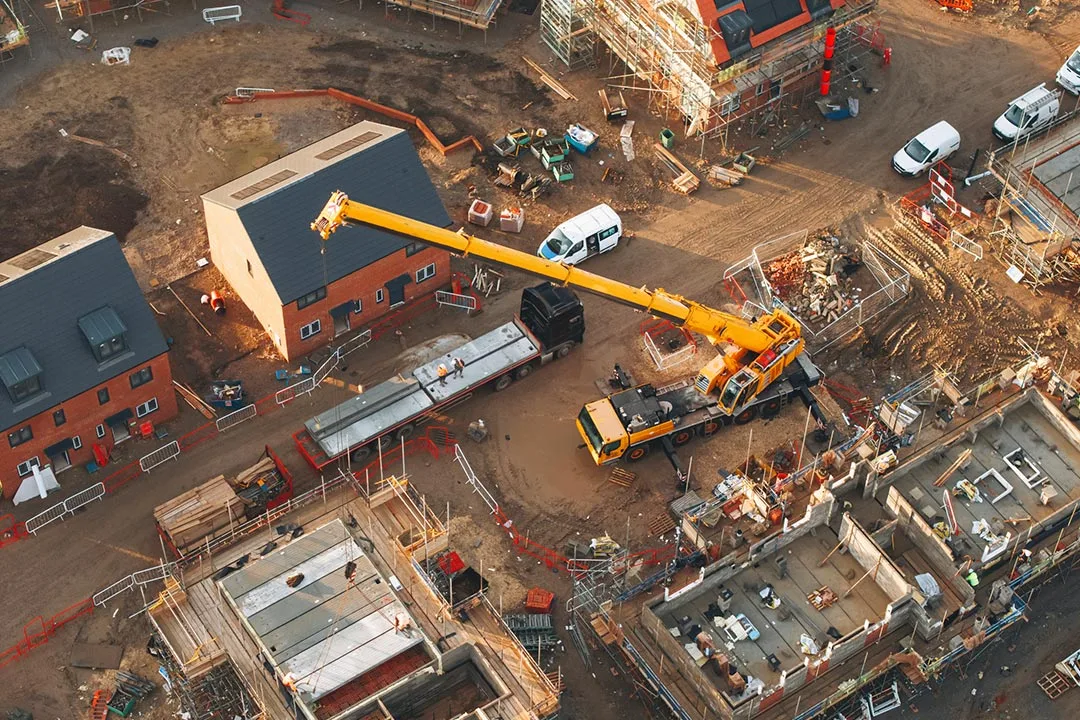
Mobile crane rental may suit contractors with qualified personnel and the resources to manage equipment setup, lifting operations, and jobsite logistics.
Renting equipment can work well when your team has crane experience, the lift requirements are straightforward and the site can accommodate the selected machine.
Rental may be appropriate when:
- Your company has qualified personnel to manage the lifting operation.
- The crane requirements are established and unlikely to change.
- The site provides adequate access, setup space and ground support.
- Your team can arrange any required rigging, permits and lift planning.
- The rental agreement clearly defines operating hours, transport, standby time and other charges.
A rental rate is only one part of the cost. Transportation, mobilization, setup, additional labor, overtime and delays can affect the final expense. Before committing, confirm what the rental includes and which responsibilities remain with your team.
What Should a Crane Service Include?
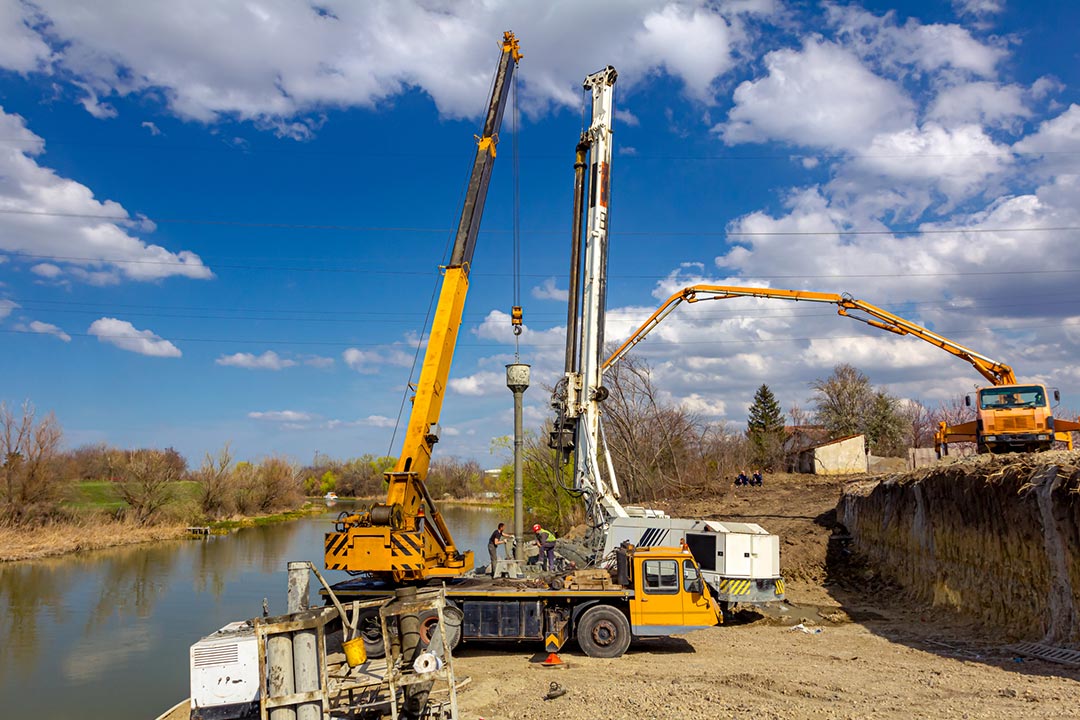
Full-service crane solutions can include lift planning, qualified operators, equipment selection, and operational support tailored to the project’s lifting requirements.
A crane service should be evaluated against the actual work required, not simply the equipment provided.
Depending on the project, the scope may include:
- Reviewing load weights, dimensions and lifting points.
- Selecting a crane with adequate capacity at the required working radius.
- Assessing access, setup areas and ground-bearing requirements.
- Identifying rigging, personnel and site preparation needs.
- Planning the sequence of lifts and the working area.
- Establishing operating requirements and contingencies.
Ask each provider to identify exclusions and assumptions. A low initial quote may not include the work needed to make the lift possible.
The crane is only one part of the lift. Understanding the site, load and sequence of work upfront helps prevent avoidable costs once the equipment arrives.
Choosing Capacity and Reach
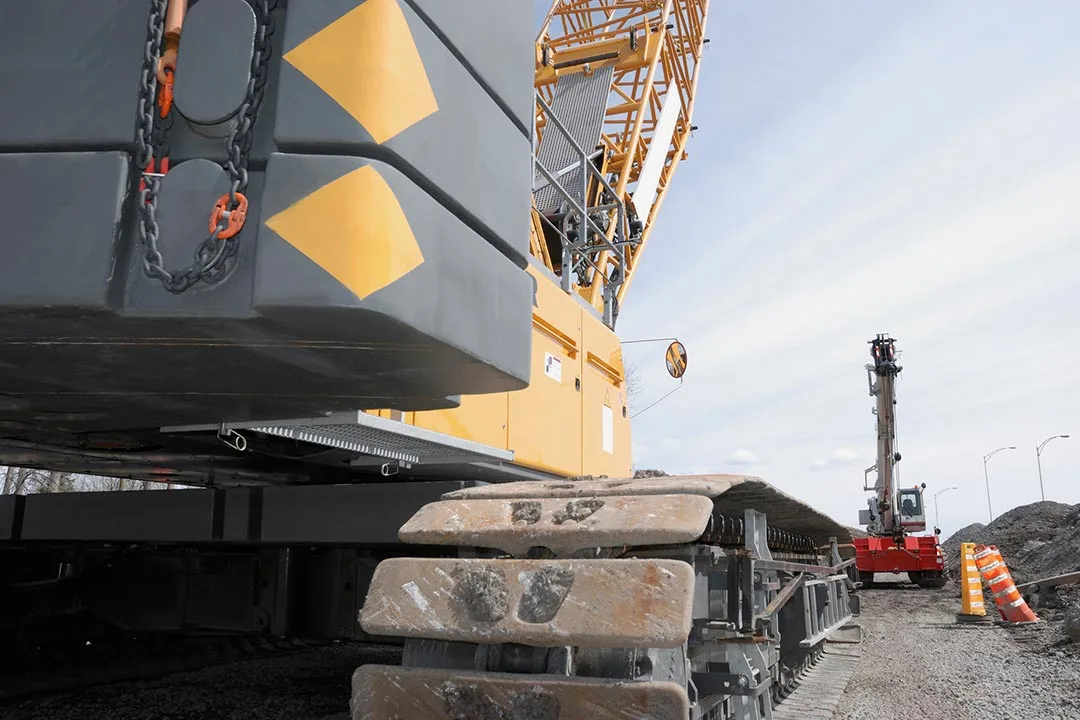
Crane selection requires evaluating load weight, lifting radius, boom configuration, and placement height to determine the equipment needed for a safe, effective lift.
Selecting the right mobile crane starts with the load, but the load weight alone does not determine the required crane.
The crane must handle the load at the working radius and height specified for the lift. Capacity can change significantly as the boom extends or the load moves farther from the crane’s center of rotation.
Provide the lifting team with:
- The weight and dimensions of each load.
- The required lifting height and horizontal reach.
- The pick-up and set-down locations.
- Any obstructions, overhead restrictions or limited access.
- The number of picks and the planned work window.
Site Access and Setup Can Change the Cost
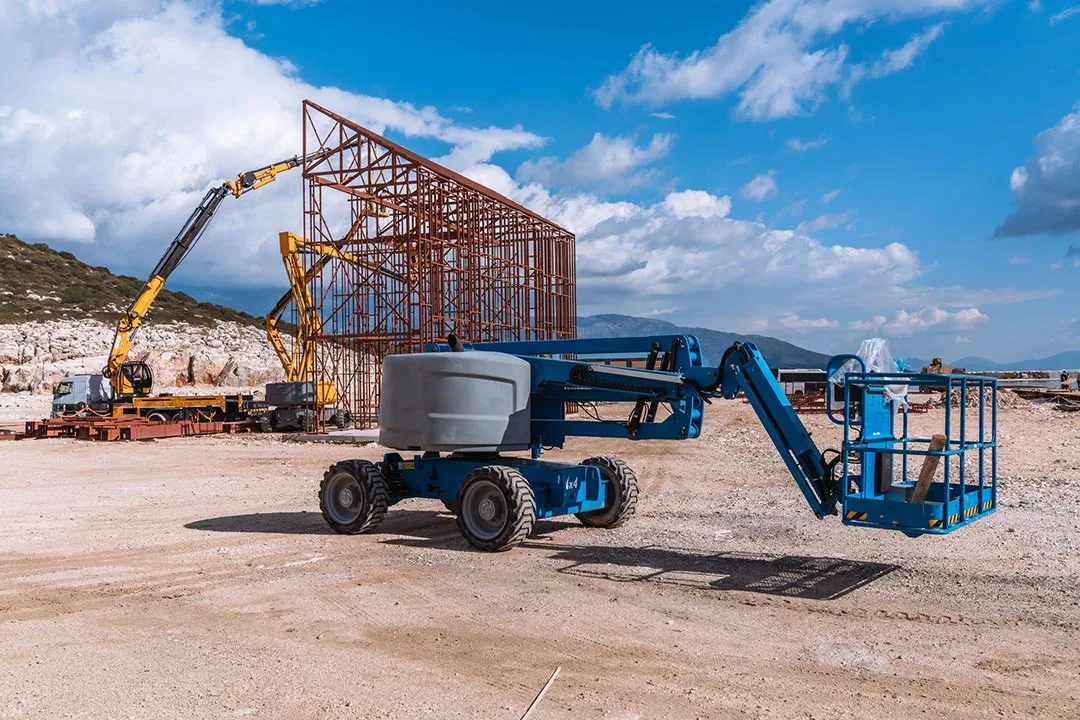
Ground conditions, available setup space, equipment access, and staging requirements can influence mobile crane selection, project scheduling, and overall lifting costs.
A crane that meets the capacity requirements may still be impractical for a particular site. Mobile cranes need suitable access routes and a stable setup area. Outriggers may require additional space and ground support. Nearby buildings, overhead utilities, traffic restrictions and occupied facilities can limit where the crane can operate.
Consider the entire path from delivery to the final lift. A constrained setup area can require additional equipment, road closures, ground preparation or a different lifting plan. For active commercial and industrial facilities, also account for shutdown windows, pedestrian routes and the effect of lifting operations on normal business.
When Is a Helicopter Lift Worth Considering?
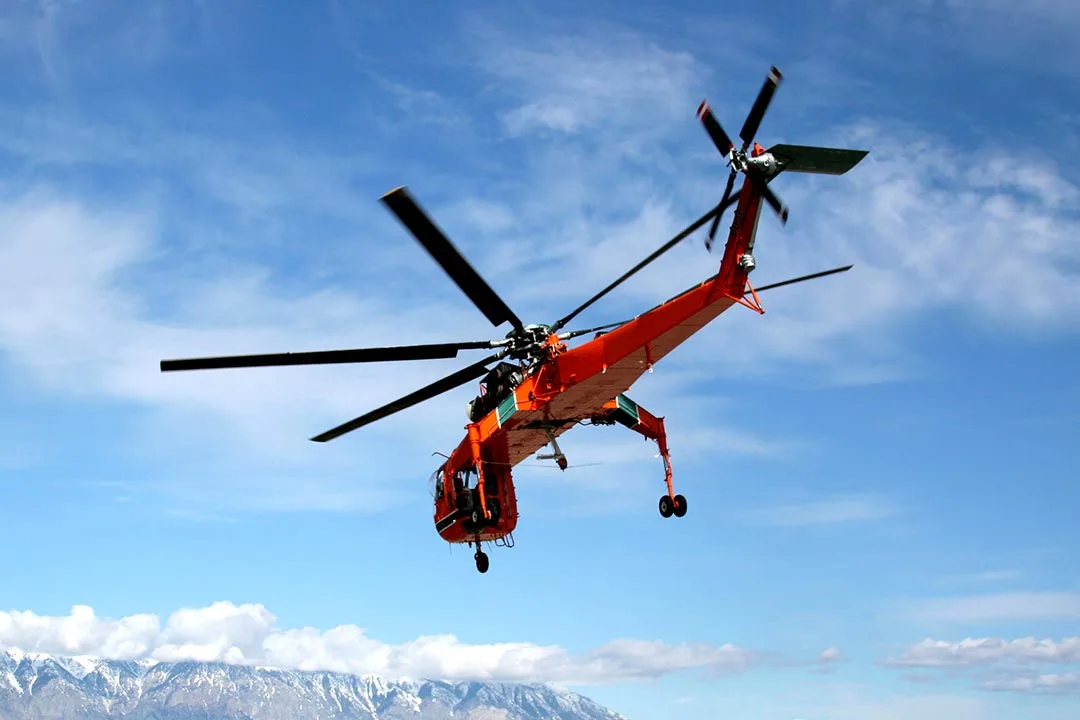
Helicopter lifting services offer an alternative for projects involving restricted ground access, difficult terrain, or placement locations where conventional crane operations may be impractical.
A ground-based crane is often the practical choice when the site supports the required equipment and the lifting sequence can be completed efficiently.
A helicopter lift may deserve consideration when a conventional crane would require extensive access preparation, road closures, dismantling, long-reach positioning or other costly site changes. It can also be useful for remote locations or repeated lifts where ground access is limited.
The comparison should account for the entire operation, including mobilization, site preparation, installation time, the number of picks and any disruption to other work. And that’s the expertise you’ll find at Fair Lifts. We provide construction helicopter services for projects where aerial lifting may offer a practical alternative. For a broader comparison, read Aerial Cranes vs. Traditional Cranes: A Simplified Overview.
Plan the Lift Around the Project
The right decision comes from comparing the full scope, not just the hourly equipment rate. Fair Lifts provides ground crane services with the project requirements in view, helping teams evaluate equipment, access, setup and execution before committing to a plan.
Discuss your project: Contact Fair Lifts to discuss the load, site conditions, schedule and lifting requirements.
FAQs About Mobile Crane Rental vs Crane Services
Is crane rental cheaper than hiring a crane service?
It can be, particularly when a project is straightforward and your team can manage the additional responsibilities. Compare the total cost, including operators, rigging, mobilization, setup and any site preparation, rather than the rental rate alone.
Does crane rental include an operator?
Not always. Some agreements provide equipment only, while others include an operator. Confirm the rental terms, personnel requirements and responsibilities before booking.
What information is needed for a crane service quote?
Provide the load weight and dimensions, required reach and height, site address, access limitations, planned lift count and schedule. Photos, drawings and site plans can help clarify constraints.
When should I consider a helicopter instead of a ground crane?
Consider a helicopter when ground access, setup requirements or the lifting sequence make conventional crane operations difficult or costly. A project-specific comparison is needed to determine which method is practical.