

Planning a helicopter lift takes more than knowing the weight of the equipment. Site access, load dimensions, nearby obstacles, and scheduling all play a role in selecting the right aircraft and planning a safe operation.
Whether you’re installing rooftop HVAC equipment, placing structural materials, or moving heavy machinery, preparing a few key details can make the process easier.
Here are seven things contractors should know before requesting a helicopter lift quote.
1. Know Your Load Specifications
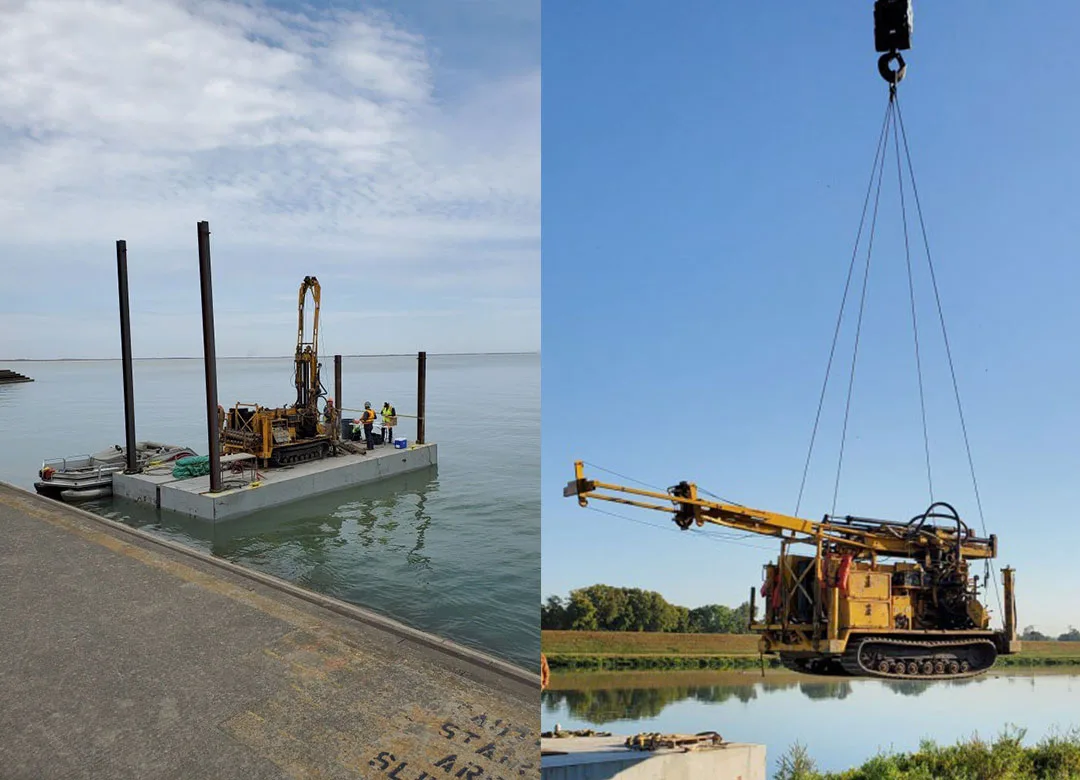
Accurate load weights, dimensions, and rigging details help determine suitable aircraft and lifting requirements.
Start with the weight, dimensions, and quantity of the items being lifted. These details help determine which helicopters may be suitable for the job.
Whenever possible, provide:
- Weight and dimensions of each item
- Total number of lifts required
- Available lifting points
- Equipment specifications or rigging details
Remember that helicopter lifting capacity depends on more than the aircraft’s published maximum. Temperature, elevation, fuel requirements, and operating conditions can affect available lifting performance.
2. Identify Pickup and Placement Locations
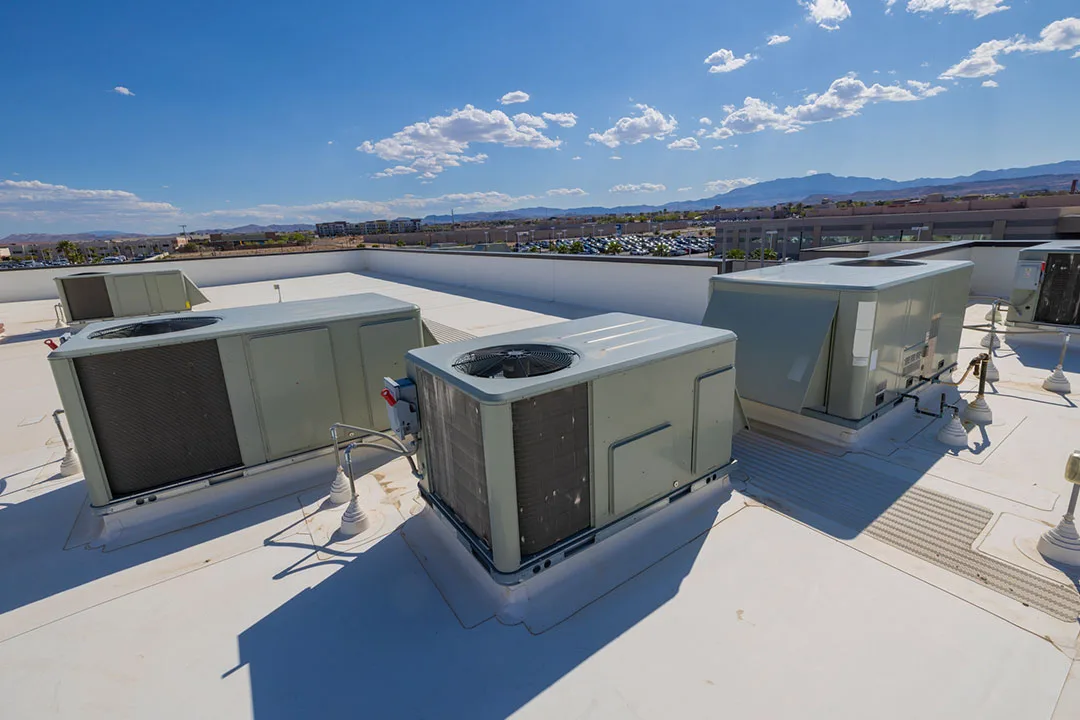
Building height, pickup locations, and equipment placement areas are important details when planning a helicopter lift.
Next, determine where each load will be picked up and where it needs to go.
For rooftop installations, include the building height and the approximate distance from the staging area to the placement location.
For remote projects, provide coordinates or clear location details.
Accurate locations help the aviation team assess flight distances, access requirements, and potential challenges before the operation begins.
3. Evaluate Site Access and Staging Areas
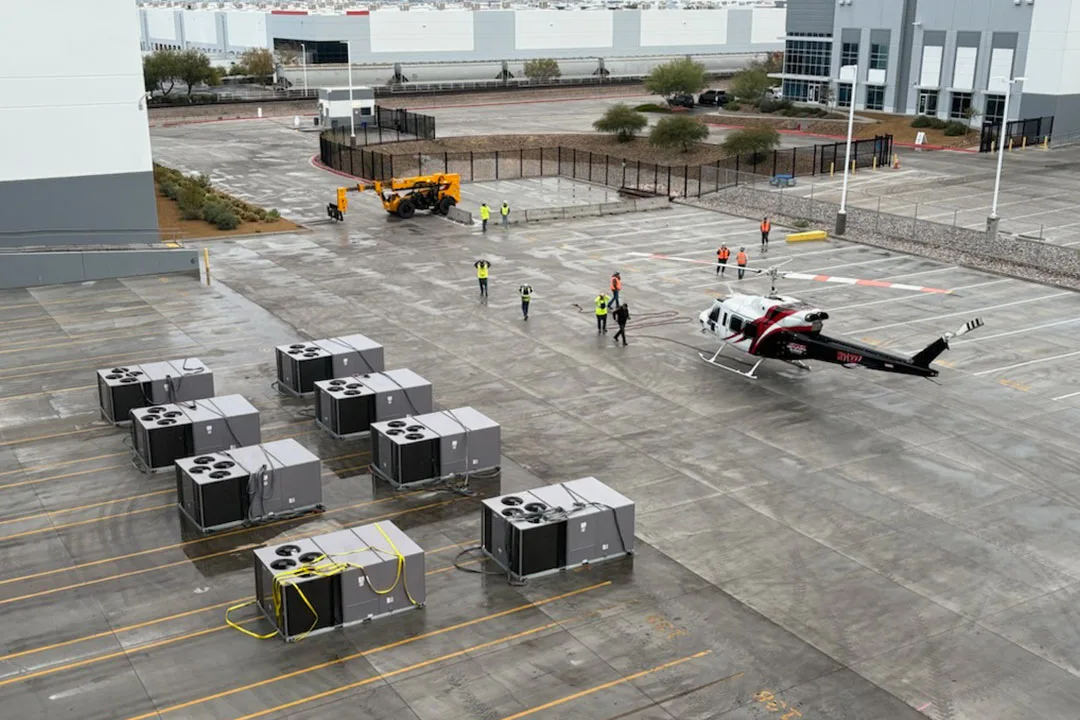
Suitable staging areas provide space for equipment preparation, ground crews, and helicopter lift operations.
Helicopters can reach locations that are difficult for ground cranes. However, they still require suitable areas for staging and safe operations.
Consider where equipment will be delivered, where loads will be prepared, and how ground crews will access the work area.
Parking lots, open fields, and designated construction zones may offer staging options. However, each location must be evaluated for its suitability.
A successful helicopter lift starts well before the aircraft arrives. Clear project details help identify challenges early and keep planning on track.
4. Consider Flight Paths and Nearby Obstacles
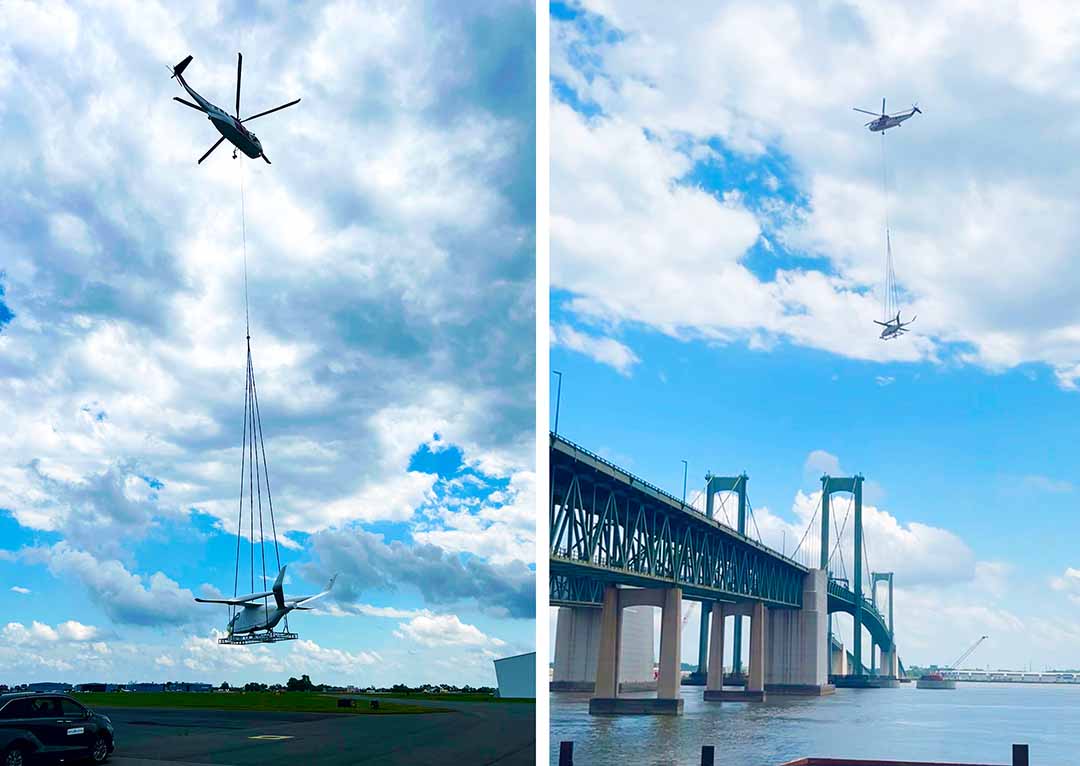
Nearby buildings, towers, power lines, and other obstacles must be considered when evaluating helicopter lift locations.
Buildings, power lines, towers, trees, and other structures can influence how a helicopter approaches and completes a lift.
Before requesting a quote, identify any major obstacles near the pickup and placement locations.
You don’t need to develop a flight plan yourself. However, sharing photos and descriptions of surrounding conditions helps the aviation team evaluate the site.
Depending on the location, additional airspace coordination or operational restrictions may also apply.
5. Establish Your Project Schedule
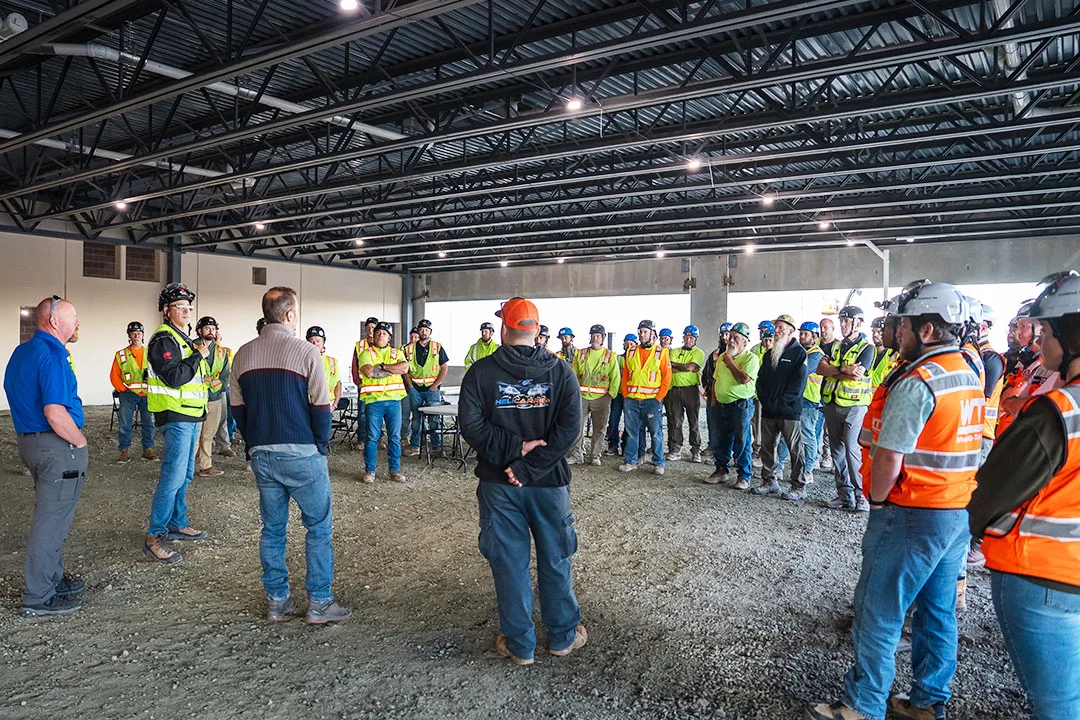
Coordinating aircraft availability, ground crews, equipment deliveries, and site access helps keep lifting projects on schedule.
Helicopter availability, weather conditions, equipment deliveries, and site access can all affect scheduling.
Provide your preferred lift date, along with any flexibility in the project timeline.
Also consider whether the operation must occur during specific hours. For example, occupied buildings or active construction sites may require additional scheduling arrangements.
Early planning gives contractors more flexibility when evaluating aircraft options and potential lift dates.
6. Understand Site-Specific Requirements
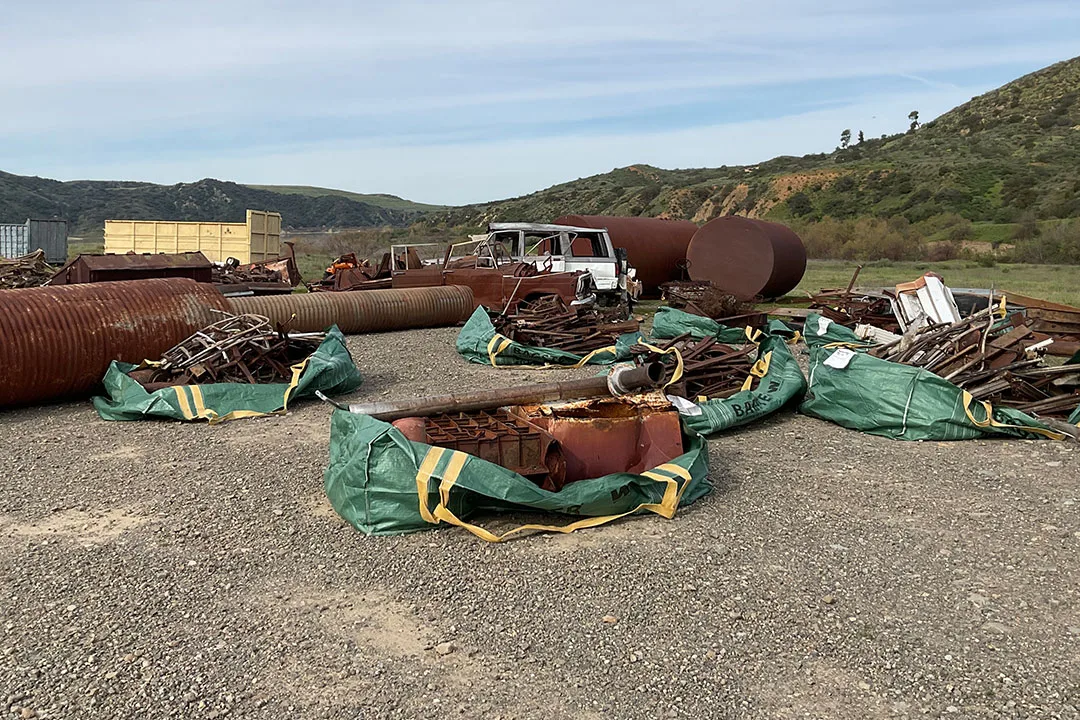
Remote terrain, restricted access, and unique site conditions can influence helicopter selection and lift planning requirements.
Every construction site has different operating conditions.
Some projects involve occupied buildings, limited ground access, restricted work areas, or nearby public infrastructure. Others may require coordination with property managers, local authorities, or additional contractors.
Share any known restrictions during the initial discussion.
This information helps identify operational requirements and determine what additional planning may be necessary.
7. Gather Photos, Drawings, and Project Documentation
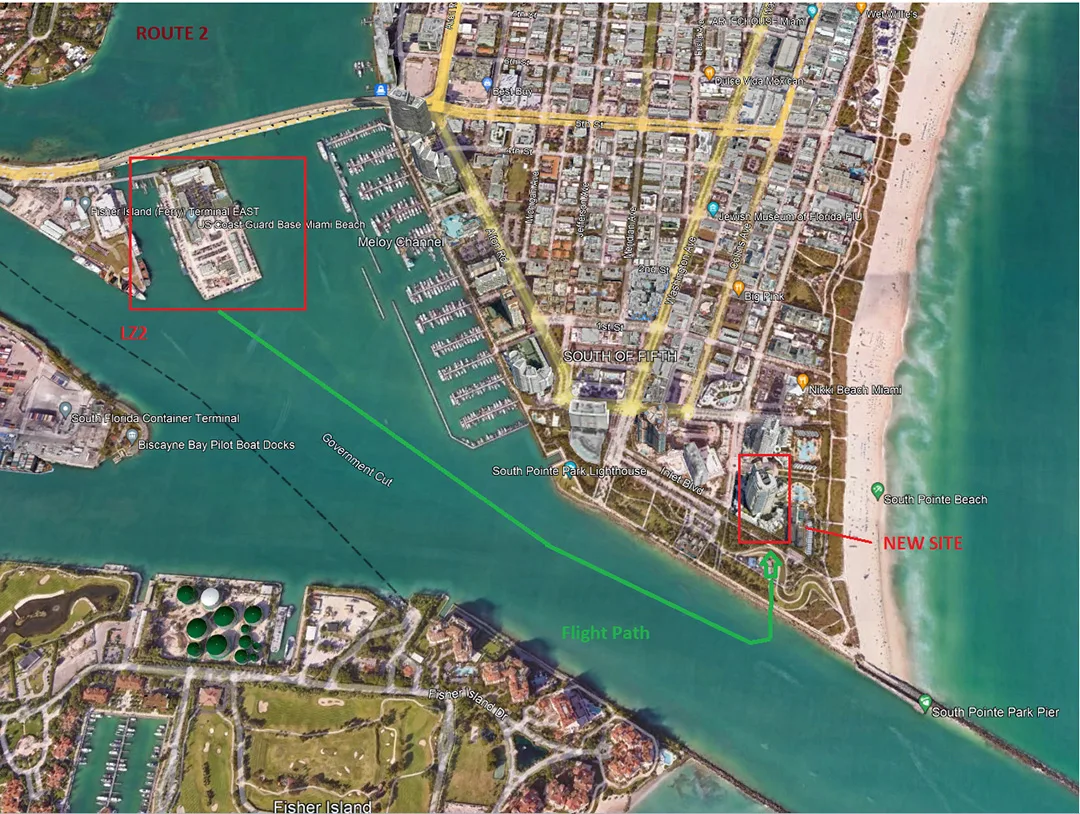
Aerial imagery, site plans, and project drawings help identify lift locations, surrounding obstacles, and access considerations.
Photos and basic project documents can answer questions that written descriptions may miss.
Useful materials include aerial images, site plans, equipment specifications, and photographs of the pickup and placement areas.
Construction drawings can also help clarify building heights, structural features, and placement requirements.
Don’t worry if every document isn’t available yet. Fair Lifts can help identify which details are most important as planning progresses.
Helicopter Lift Planning Checklist
Before contacting Fair Lifts, use this quick reference to organize the information you have available.
| Ready | Project Detail | Information to Prepare |
|---|---|---|
| Load specifications | Weight, dimensions, quantity, lifting points | |
| Lift locations | Pickup area, placement area, structure height | |
| Site access | Staging space, equipment access, ground conditions | |
| Obstacles | Buildings, power lines, trees, nearby structures | |
| Schedule | Preferred dates, deadlines, work-hour restrictions | |
| Site requirements | Property access, safety procedures, local restrictions | |
| Documentation | Photos, drawings, equipment specifications |
You don’t need every detail finalized before requesting a quote. Even preliminary information can help start the evaluation process.
Ready to Plan Your Helicopter Lift?
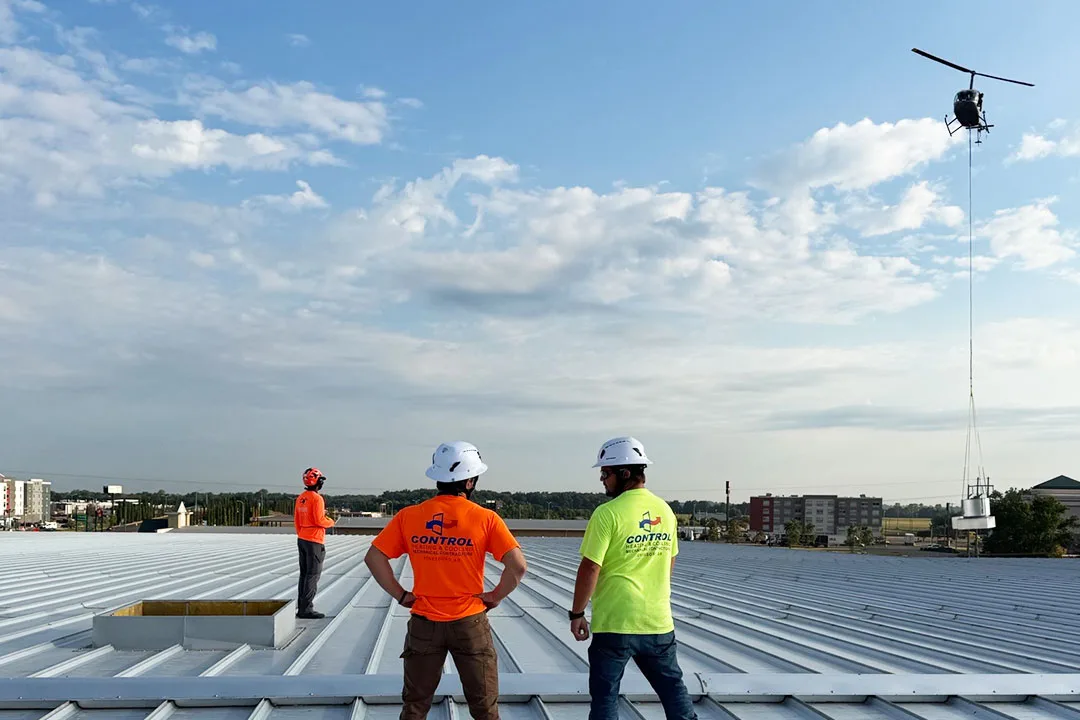
From initial project details to aircraft selection and site logistics, Fair Lifts helps contractors plan specialized helicopter lifting operations.
Every helicopter lift presents different challenges, from aircraft selection to site access and scheduling. Preparing the right information early can make the planning process more efficient.
Fair Lifts works with contractors, project managers, and equipment suppliers to evaluate lifting requirements and identify suitable helicopter solutions.
Call Fair Lifts at 1-800-318-8940 or complete our online contact form to discuss your project and request a custom helicopter lift quote.