
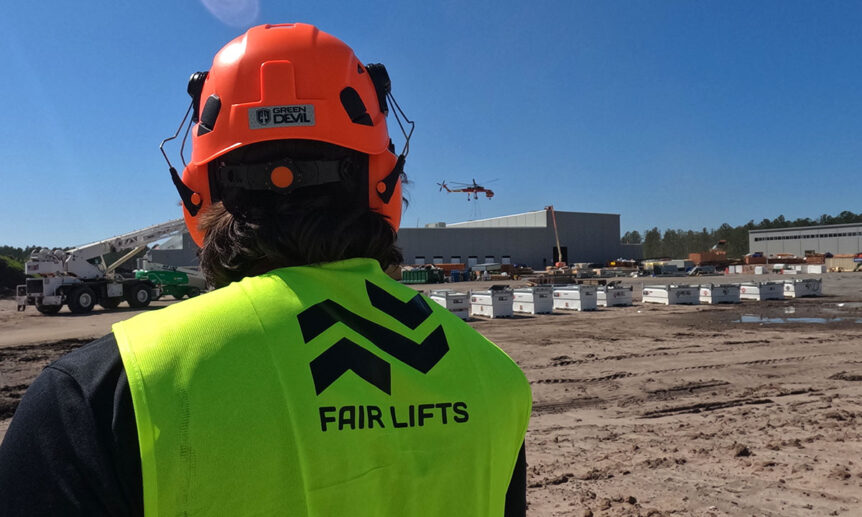
When planning a complex lift, many contractors assume the first call should be to a crane company or helicopter operator. In reality, choosing the right equipment is only one part of the process.
The best results start with evaluating the entire project before deciding how the lift should be performed.
Why do contractors work with Fair Lifts instead of contacting crane or helicopter operators directly?
Quick Answer: Because choosing a lifting method is only one part of a successful project.
Fair Lifts helps contractors evaluate lift options, compare risks, assess site logistics, develop defensible project plans, and coordinate the right heavy lift specialists for each job. Instead of selling crane time or helicopter flight hours, we help determine the safest, most practical, and most cost effective solution based on your project’s unique requirements.
Every contractor eventually faces the same question.
“Why shouldn’t I just call a helicopter company or crane company directly?”
It is a fair question. If you already know exactly what equipment you need, contacting an operator may seem like the fastest path.
However, the reality is that the aircraft or crane is only one piece of a much larger project. Successful lifts depend on engineering, planning, permitting, site logistics, scheduling, safety, and coordination between multiple stakeholders. That is where Fair Lifts provides value.
Our role is not simply to arrange a lift. Our role is to help contractors make the right lifting decision before equipment is ever selected.
Fair Lifts Helps Determine the Right Solution Before Equipment Is Selected
Every project has different constraints.
Access limitations, rooftop loading, surrounding structures, weather exposure, schedule requirements, utility conflicts, public safety, and equipment weight all influence the best lifting method.
In many cases, a crane is the most practical solution.
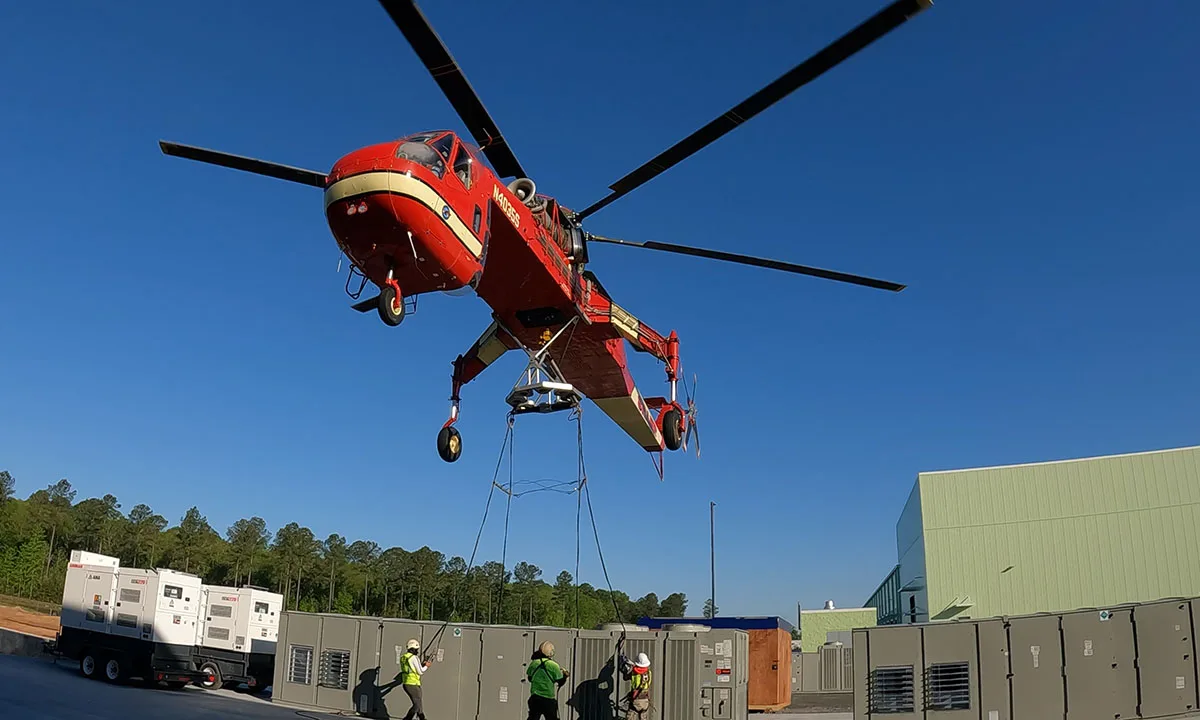
On other projects, a helicopter can reduce costs, minimize site disruption, and shorten the construction schedule.
There are also situations where the initial approach should be reconsidered after a thorough project evaluation.
Fair Lifts evaluates the entire project before equipment is selected, giving contractors a clear understanding of their options before committing significant resources.
Strategic Planning That Protects Your Schedule and Budget
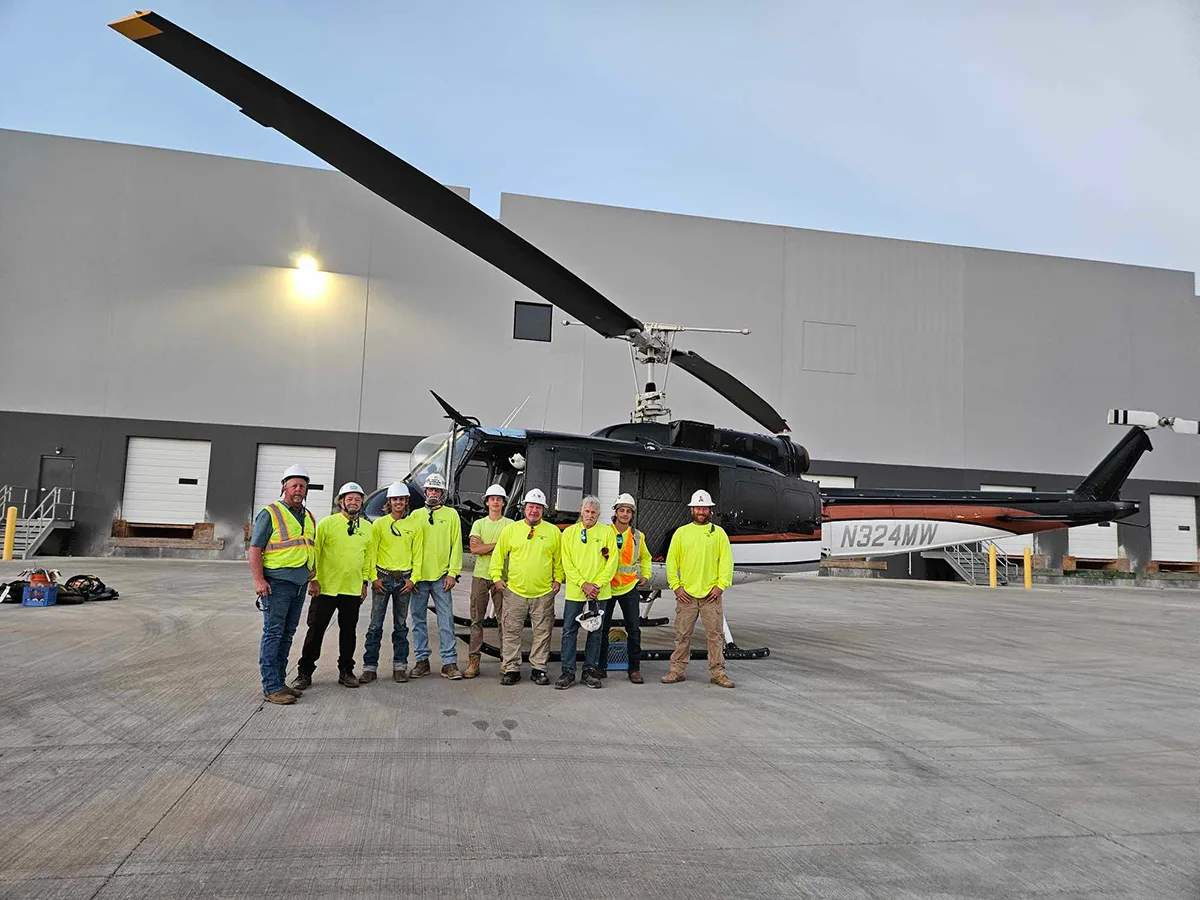
Fair Lifts partnered with CFR Mechanical to deliver an innovative solution for a logistical challenge involving a 52-unit warehouse in Glendale, AZ.
Owners, general contractors, engineers, insurers, and safety managers often need more than a simple equipment quote.
They need documentation that explains why a particular lifting method was selected.
Our planning process helps contractors build practical, defensible lift strategies supported by site conditions, project requirements, and operational considerations. That often improves communication during project planning and reduces surprises later in the schedule.
“The best lifting solution is not always the largest crane or the biggest helicopter. It is the method that delivers the safest and most efficient outcome for the entire project.”
Access to Specialized Operators and Industry Expertise
Fair Lifts is not a helicopter operator.
Instead, we work with a nationwide network of experienced aviation and heavy lift professionals who specialize in complex construction, infrastructure, utility, industrial, and rooftop equipment projects.
That allows us to match each project with operators whose capabilities align with the specific requirements instead of forcing every project into one type of equipment.
The Right Aircraft and Team for the Job
Every aircraft and every crane has different capabilities.
Payload, altitude, temperature, lift radius, staging areas, access roads, mobilization time, and local regulations all affect project success.
Rather than recommending a single solution, Fair Lifts evaluates these variables and coordinates the resources that best fit the project.
Managing the Logistics That Make or Break a Lift
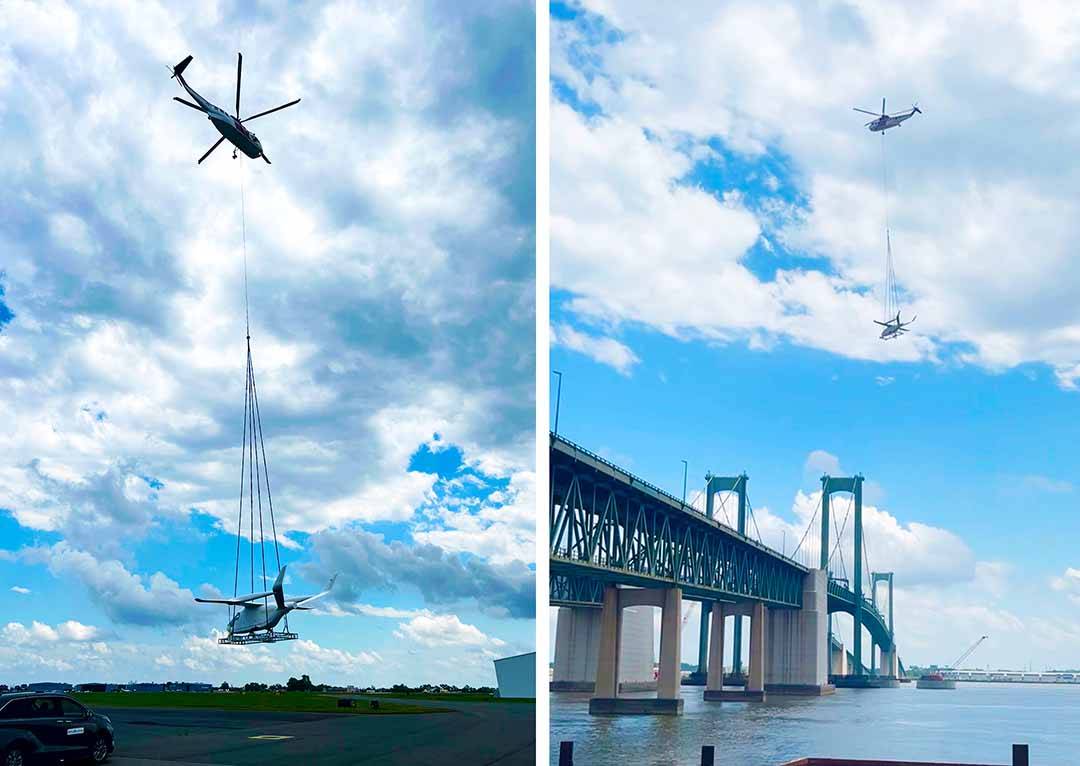
Fair Lifts achieved a groundbreaking milestone in electric aircraft air cargo lift operations, successfully transporting Beta Technologies’ fully assembled ALIA CX300 for DHL.
A successful lift involves much more than the actual pick.
Contractors often need assistance coordinating:
- Site logistics
- Lift sequencing
- Equipment staging
- Traffic and pedestrian management
- Permitting requirements
- Utility coordination
- Communication between project stakeholders
- Weather planning and contingency schedules
These details frequently determine whether a project finishes on time.
Senior Project Oversight
Our project managers remain involved throughout the planning process, helping coordinate communication between contractors, engineers, operators, and other stakeholders.
Instead of managing multiple vendors independently, contractors work with a single planning partner focused on the overall success of the lift.
Safety Is Built Into Every Phase of Planning
Safety begins long before equipment arrives on site.
Every recommendation we make considers operational risk alongside project objectives.
That includes evaluating site access, surrounding structures, environmental conditions, lift sequencing, personnel safety, contingency planning, and regulatory requirements.
Our goal is to reduce uncertainty before the first piece of equipment is mobilized.
Why Contractors Continue to Partner With Fair Lifts
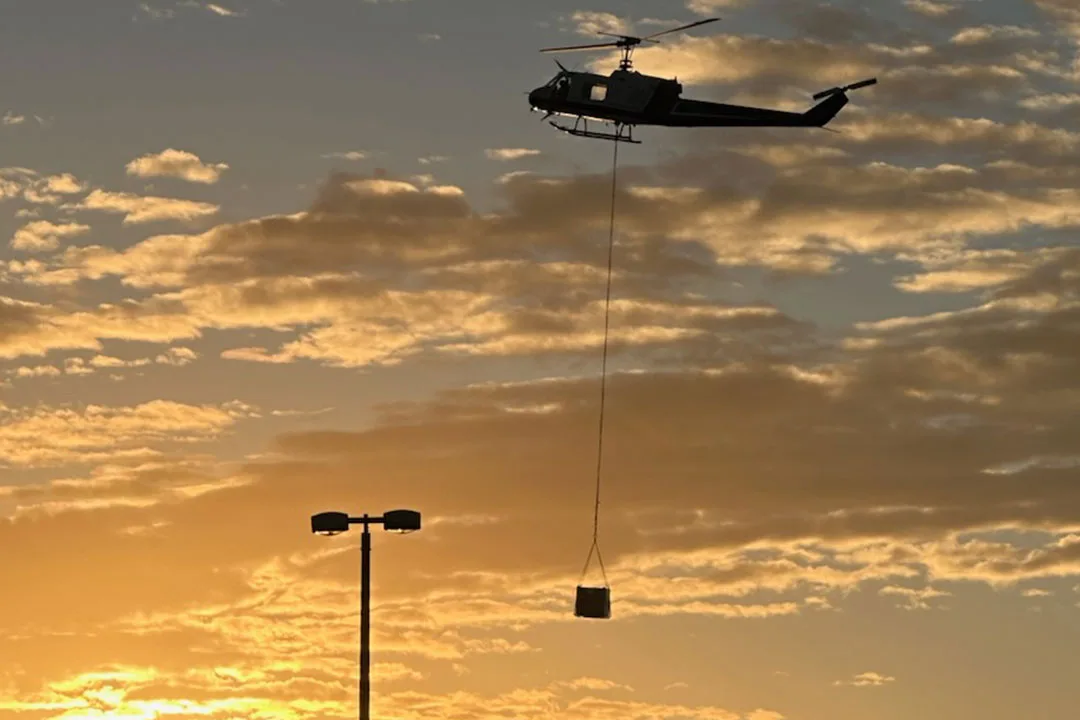
Fair Lifts partnered with Minot Plumbing & Heating to execute a time-sensitive project involving RTU replacements of five HVAC units
Many of our clients return because they value objective guidance instead of equipment sales.
We have supported projects ranging from rooftop HVAC replacements and industrial equipment installations to telecommunications, infrastructure improvements, and specialty construction lifts across the United States.
Whether the final recommendation involves a crane, a helicopter, or another approach entirely, our objective remains the same.
Help contractors select the best lifting strategy for the project.
“Our responsibility is to help clients make informed decisions. Sometimes that means recommending a helicopter. Sometimes it does not.”
Strategic Lift Planning Starts Before Equipment Is Selected
Choosing a lifting method should never begin with selecting an aircraft or crane.
It should begin with understanding the project.
That approach helps reduce risk, improve planning, avoid unnecessary costs, and position projects for successful execution.
Fair Lifts exists to provide that strategic guidance before major lifting decisions are made.
Discuss Your Project
Precision Airlift Solutions Boost Efficiency at Archline’s Seoyon E-Hwa Plant Project
If you are evaluating a complex lift, our team can help determine the most practical approach before equipment is selected.
Whether your project ultimately requires a helicopter, a crane, or another lifting strategy, Fair Lifts provides experienced planning, coordination, and objective guidance to help you move forward with confidence.
Contact Fair Lifts today to discuss your project requirements with an experienced project manager.
Frequently Asked Questions
Is Fair Lifts a helicopter operator?
No. Fair Lifts is a lift planning and project coordination company. We work with a nationwide network of qualified heavy lift aviation and crane professionals to identify and coordinate the best solution for each project.
Why not contact a helicopter company directly for construction lifts?
Helicopter operators specialize in flight operations. Fair Lifts evaluates the broader project, including site logistics, lift methods, scheduling, risk, coordination, and planning before recommending the most appropriate solution.
Can Fair Lifts help compare crane and helicopter lifting options?
Yes. One of our primary roles is helping contractors evaluate whether a crane, helicopter, or another lifting method offers the best combination of safety, efficiency, schedule, and overall project value.
Does Fair Lifts manage lift planning and coordination?
Yes. Fair Lifts assists with project evaluation, operator selection, logistics coordination, lift planning, scheduling, and communication among project stakeholders to support successful project execution.