Herbicide Application: Best Practices for Success
When it comes to herbicide application, precision and care are paramount. The process is more than just spraying a substance; it's about understanding the environment, the weeds, and the herbicide itself. Weather conditions play a significant role, as wind can lead to drift, and rain can wash away freshly applied herbicides. It's essential to monitor forecasts and choose optimal times for application.
Soil type is another crucial factor. Different soils interact with herbicides in varied ways. For instance, sandy soils might not retain the herbicide effectively, while clayey soils might hold it for extended periods. This knowledge helps determine the right herbicide type and quantity.
Timing is everything. Young, actively growing weeds are more susceptible to herbicides than mature ones. Moreover, certain herbicides are designed to work best at specific times of the day. Post-application care, like adjusting irrigation or introducing beneficial organisms, can further enhance the herbicide's effectiveness. In essence, successful herbicide application is a blend of science, timing, and post-care.
Choosing the Right Herbicide
Choosing the Right Herbicide:
The world of herbicides is vast, with each product tailored to specific needs and scenarios. The effectiveness of a herbicide treatment hinges on selecting the right product for the job. It's not just about killing weeds; it's about doing so efficiently, economically, and environmentally responsibly.
The key to effective weed management lies in understanding the specific needs of the situation and choosing the right herbicide accordingly. Whether you're looking to clear an entire area or target specific pests, there's a herbicide tailored for the job. By aligning the herbicide's properties with the task at hand, you can ensure optimal results while minimizing potential side effects and environmental impact.

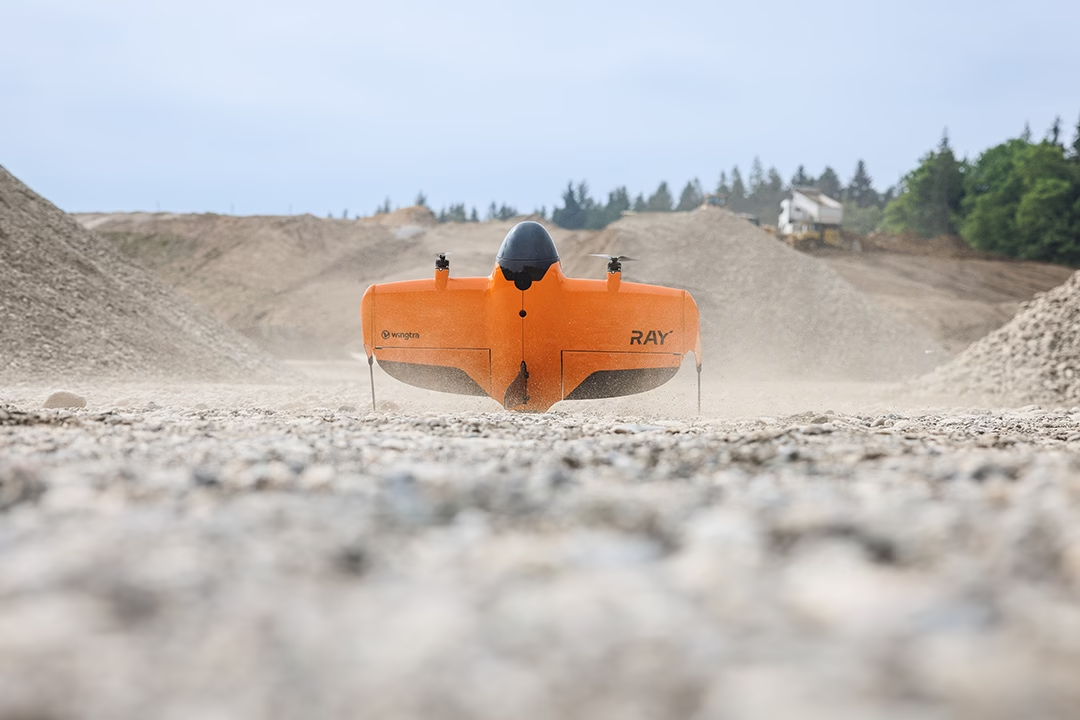
Drone Mapping & Selective Herbicide Treatment Application Resulting in Better Crop Yield.
Nonselective Herbicides:
Often referred to as the "broad-spectrum" herbicides, nonselective variants are designed to tackle a wide range of plants. They are the go-to choice when the objective is to clear an area of all vegetation, such as preparing a field for new crops or managing overgrown areas. However, their strength also necessitates caution. When using nonselective herbicides, it's crucial to ensure that they don't come into contact with desirable plants, as they won't discriminate between weeds and valued vegetation.
Selective Herbicides:
Precision and specificity are the hallmarks of selective herbicides. These are formulated to target particular types of plants, leaving others untouched. For instance, a herbicide might target broadleaf weeds without affecting the surrounding grass. This selectivity allows for targeted weed control in areas where desirable and undesirable plants coexist, ensuring that only the pests are eliminated.
Preemergence Herbicides:
Proactive weed management is the essence of preemergence herbicides. These are applied before the weeds germinate, preventing them from ever breaking the soil surface. They're especially useful in managing weeds with known germination cycles, allowing farmers and gardeners to preemptively tackle potential infestations. However, timing is of the essence; applying too early or too late can reduce their effectiveness.
Postemergence Herbicides:
Once weeds have sprouted and are visible, postemergence herbicides come into play. These are designed to be absorbed by the plant, disrupting its growth processes and eventually leading to its death. They are most effective when applied to young, actively growing weeds. As the weed matures, its resistance to herbicides can increase, making early intervention crucial.

Drones in Herbicide Application: The Future of Weed Management
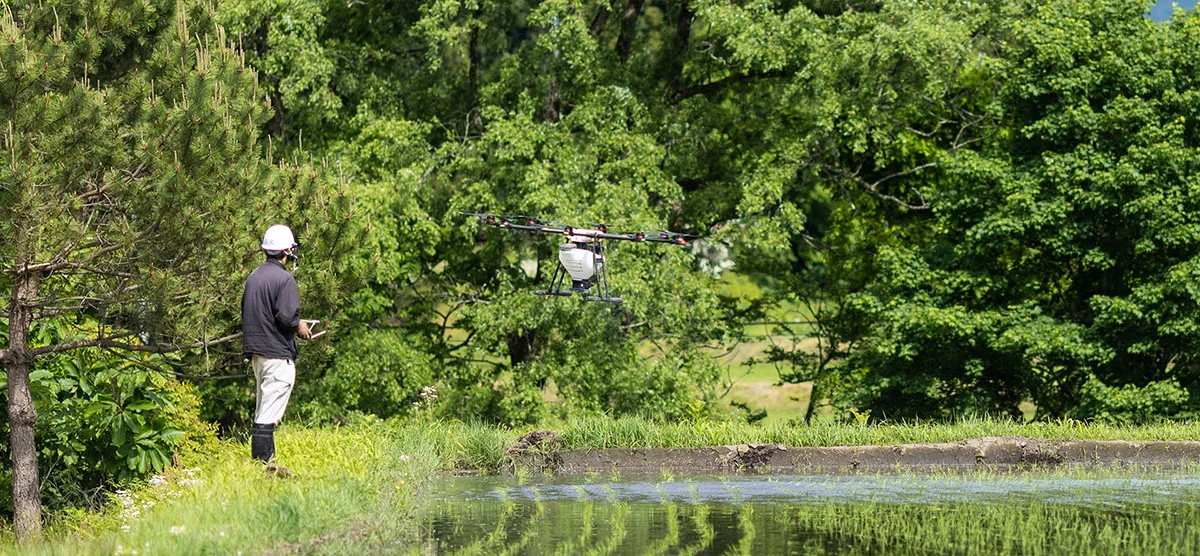
Drones are transforming the landscape of herbicide application, offering a blend of precision, efficiency, and safety. Their ability to target specific areas, even individual plants, ensures that herbicides are used optimally, minimizing waste and environmental impact.
One of the standout benefits of drones is their ability to navigate challenging terrains. Areas that are steep, uneven, or waterlogged are no match for drones, ensuring comprehensive coverage. Drones provide unparalleled precision and accuracy, ensuring that herbicides target only the invasive species, thereby safeguarding surrounding beneficial plants. This level of specificity not only enhances effectiveness but also proves to be cost-effective in the long run.
Safety is another significant benefit. Drones eliminate human exposure to potentially harmful chemicals and reduce the risk of accidents associated with manned vehicles. Their ability to access hard-to-reach areas and prevent soil compaction further underscores their superiority. Moreover, the eco-friendly nature of drones, especially the electric variants, coupled with their efficient herbicide use, minimizes environmental impact.
The added advantage of real-time data collection offers immediate feedback, allowing for on-the-spot adjustments. In essence, as we transition to more sustainable agricultural practices, drones emerge as an invaluable, environmentally conscious, and technologically advanced tool in herbicide application.
Invasive Species and Herbicide Management
BURNING BUSH (EUONYMUS ALATUS): The Burning Bush is characterized by its opposite, minutely toothed leaves and inconspicuous cream-colored flowers. Its red fruit case splits open to reveal an orange fruit, and mature individuals often have winged stems.
CHEATGRASS (BROMUS TECTORUM): This grass turns a reddish-brown color when mature, making infested areas easy to spot. Predominantly found in the western U.S., cheatgrass increases the frequency of wildfires. Control methods include herbicides and controlled burns.
COMMON REED (PHRAGMITES AUSTRALIS): Tall and grass-like, common reed or phragmites can grow up to 15-25 feet high. Found nationwide, it's especially problematic in the Great Lakes region and along the Atlantic coast. This invasive grass displaces native plants and reduces habitat quality. Cutting, burning, and herbicides are common control methods.
GLOSSY BUCKTHORN (FRANGULA ALNUS): Growing between 15 to 20 ft., the Glossy Buckthorn boasts entire, egg-shaped leaves. Its white flowers bloom from May to September, followed by blue-black fruits from June to October.
GIANT HOGWEED (HERACLEUM MANTEGAZZIANUM): This towering plant can reach up to 14 feet and has large, lobed leaves. Its white flower heads can span 2.5 feet across. Mainly found in the Northeast and Pacific Northwest, giant hogweed's sap can cause severe skin burns when exposed to sunlight. Immediate control is essential due to its health risks.
HYDRILLA (HYDRILLA VERTICILLATA): An aquatic plant with serrated leaves, hydrilla forms dense mats on the water's surface. Found in many parts of the U.S., it can alter aquatic habitats and impact recreational activities. Herbicides and grass carp are used for its control.
JAPANESE BARBERRY (BERBERIS THUNBERGII): This thorny, dome-shaped shrub is known for its single thorns at each flush of leaves. Its flowers are held in a small upside-down umbel, leading to a red drupe fruit. The spatulate and entire leaves further distinguish it.
JAPANESE KNOTWEED (POLYGONUM CUSPIDATUM): Often referred to as Japanese or Mexican bamboo, this invasive plant has bamboo-like stems and broad leaves. Japanese knotweed is especially problematic in the Northeast and Pacific Northwest. Its resilience is showcased by its ability to grow through concrete and damage infrastructure. It's often treated using specific herbicides, and its rhizomes can spread extensively, making complete eradication challenging.
KUDZU (PUERARIA MONTANA VAR. LOBATA): Originating from Asia, kudzu has heart-shaped leaves and produces purple flowers. It's predominantly found in the southeastern U.S., especially states like Alabama, Georgia, and Mississippi. Known as "the vine that ate the South," kudzu grows rapidly, smothering native vegetation. It's often treated with specific herbicides and controlled grazing. Its rapid growth can cover trees, buildings, and power lines, making it a significant challenge for landowners.
LEAFY SPURGE (EUPHORBIA ESULA): With its yellow-green flowers, leafy spurge is easy to identify. Predominantly affecting the northern Great Plains and the western U.S., this weed produces a milky latex that can irritate the skin. It's toxic to some animals, making grazing ineffective. Herbicides and specific beetles are used for its control.
MILE-A-MINUTE WEED (PERSICARIA PERFOLIATA): Identified by its triangular leaves and blue fruits, this vine grows rapidly, as its name suggests. Predominantly found in the eastern U.S., it smothers native plants. Control methods include herbicides and the introduction of a specific weevil as a biological control.
MORROW’S HONEYSUCKLE (LONICERA MORROWII): A shrub that can reach up to 15 feet, Morrow’s Honeysuckle appears twiggy and weak. It has ovate to elliptic leaves and red fruit, with older stems presenting a shreddy appearance.
MULTIFLORA ROSE (ROSA MULTIFLORA): This fountain-shaped shrub can sometimes climb, appearing vine-like. Its wicked recurved thorns make it a challenging invasive to handle. The leaves are pinnately compound, and it produces the region's smallest rose hips.
NORWAY MAPLE (ACER PLATANOIDES): The Norway Maple is easily identifiable by its broadly winged samaras, stout twigs, and broad leaves that are green on both sides. During winter, its buds, which contain only 4-6 scales, become more prominent.
ORIENTAL BITTERSWEET (CELASTRUS ORBICULATUS): A woody vine, the Oriental Bittersweet can grow impressively tall, up to 65 feet. Adaptable to various habitats, it produces flowers and fruits in leaf axils, setting it apart from the native bittersweet.
PURPLE LOOSESTRIFE (LYTHRUM SALICARIA): Characterized by its tall spikes of purple flowers, purple loosestrife is an attractive plant but a major concern in wetland habitats throughout the U.S. It can grow up to 6 feet tall and is particularly problematic in the northeastern states and the Midwest. This invasive plant pushes out native species, reducing biodiversity and altering habitats. Beetles have been introduced as a biological control method in some areas.
TAMARISK OR SALTCEDAR (TAMARIX SPP.) A shrub or small tree with pink to white flowers, tamarisk is found mainly in the western U.S. It increases soil salinity, making the soil inhospitable for native plants. Control methods include cutting, burning, and herbicide treatments.
Understanding these invasive species is crucial for effective management. Each plant presents unique challenges, and a one-size-fits-all approach simply won't suffice. Tailored herbicide application, based on in-depth knowledge of each species, is essential to control their spread and safeguard our native ecosystems. Partnering with Fair Lifts provides a distinct advantage in this endeavor. Our extensive experience and commitment to precision ensure that every project is approached with the care and expertise it deserves, ensuring a healthier, more balanced environment for future generations.
Why Choose FairLifts for Your Herbicide Needs
In the dynamic realm of agriculture, precision, expertise, and innovation are paramount. FairLifts stands as a beacon in this landscape, offering services that are not just about aerial application but about forging a partnership for agricultural success.
Our seasoned team brings years of experience to the table, ensuring every herbicide application is executed with meticulous attention to detail. But it's not just about expertise; it's about embracing the future. Our state-of-the-art US-built drones represent our commitment to cutting-edge technology, ensuring accuracy, efficiency, and sustainability in every project.
Safety is at the core of our operations. With drone applications, we minimize human exposure to herbicides, prioritizing the well-being of our clients and the environment. Moreover, our robust data protection measures and aircraft liability insurance offer peace of mind in an ever-evolving digital age.
In choosing FairLifts, you're aligning with a partner that understands your challenges and shares your vision for the future. Together, we can shape the future of agriculture, ensuring it's sustainable, efficient, and prosperous. Join us on this transformative journey.
Drone News and Articles
Agricultural Drones for Next Generation Farmers: Transforming Modern Agriculture
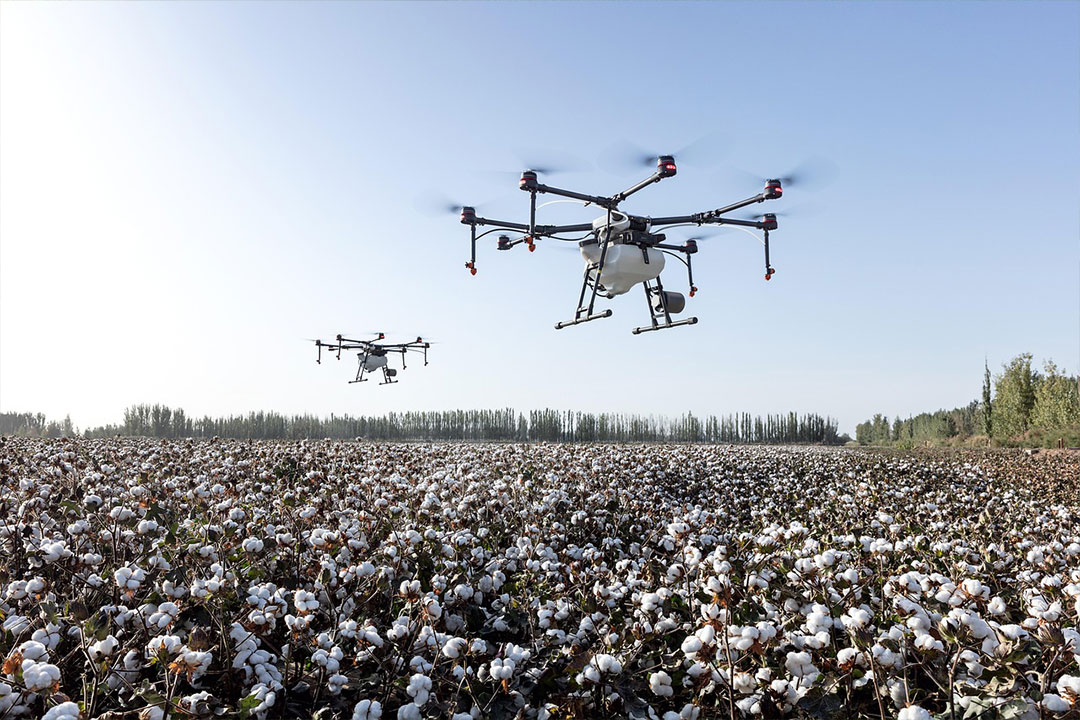
Why Agricultural Drone Spraying Is Becoming a Mainstay in Precision Agriculture

Drone Fungicide Application: Key Advantages for V10 Corn
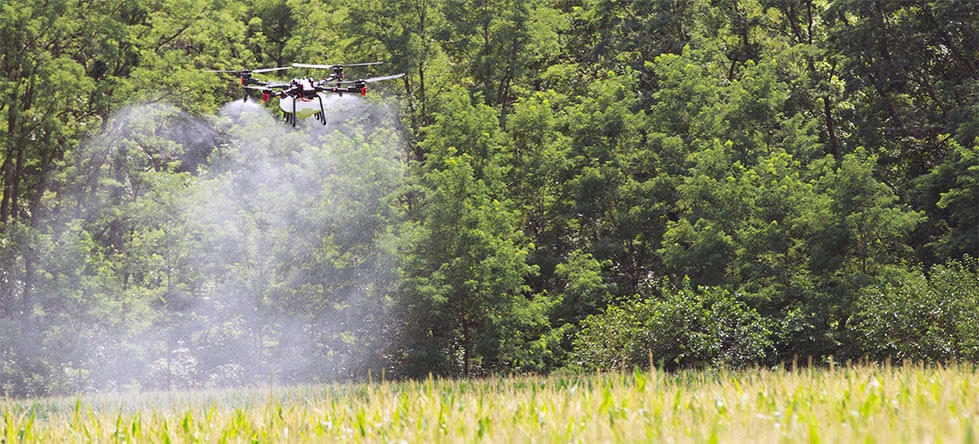
Wingtra and Trimble Partner to Transform Drone Surveying Workflows