
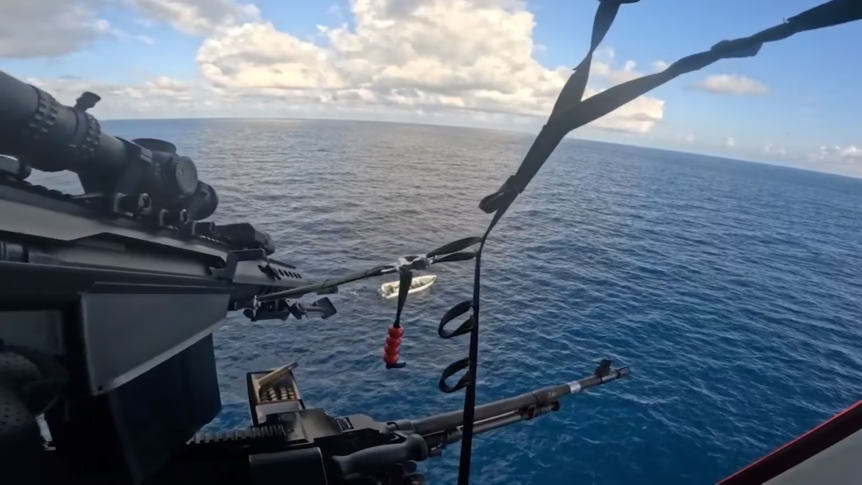
In a dramatic high seas operation, a Coast Guard sniper disabled a narco boat’s engines from a helicopter. The event, captured on video, highlights precision marksmanship and the key role of aviation in modern counter narcotics missions at sea.
From Chase To Stopped Engine
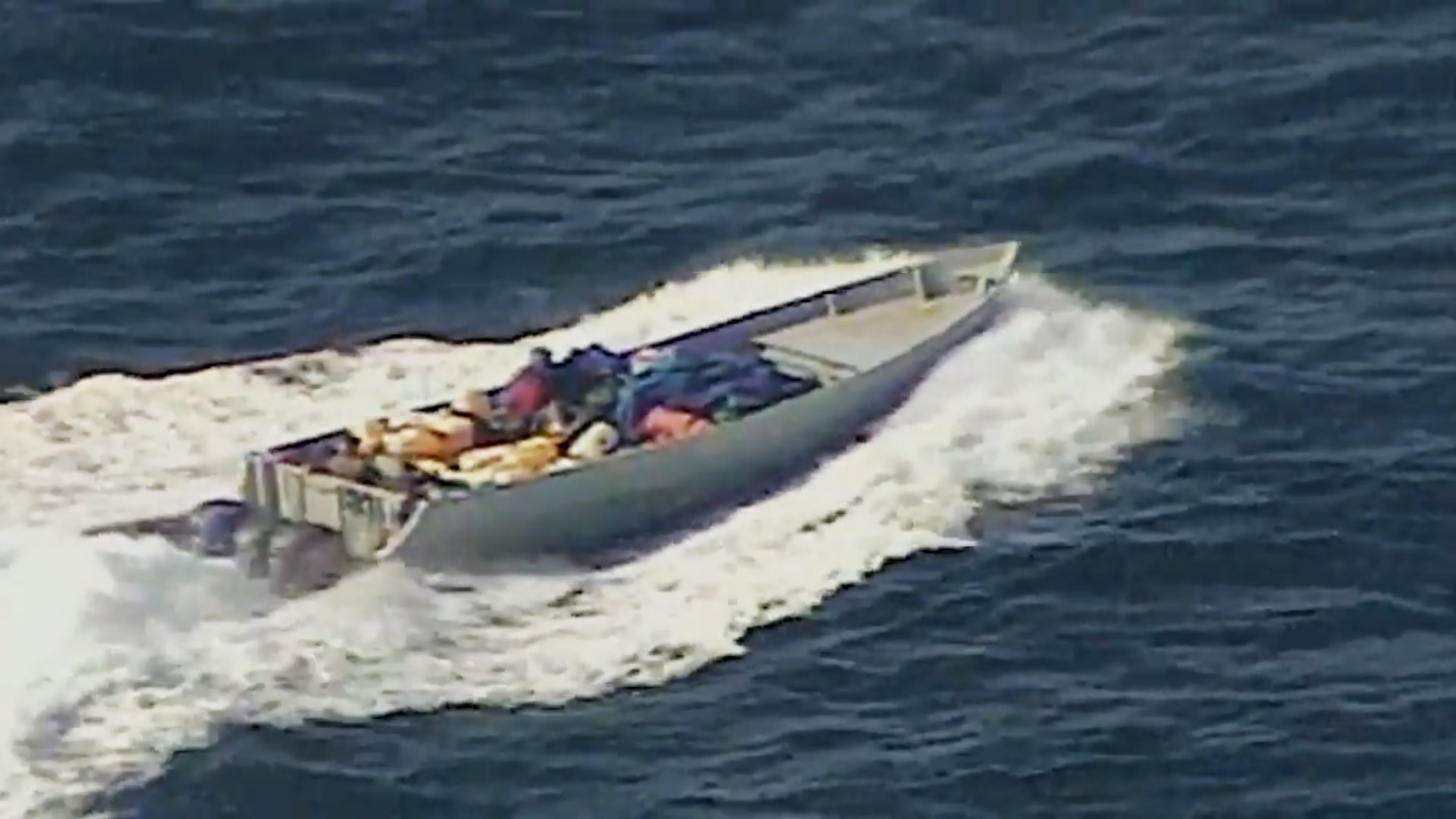
The Narco Fast Boat as seen from the intense, shared video of the situation.
The operation took place in the Eastern Pacific south of Mexico. A suspicious go fast boat was seen moving quickly through a known trafficking route. Authorities launched a helicopter from the Coast Guard’s Helicopter Interdiction Tactical Squadron. Video of the interdiction shows the boat racing across the water as the helicopter follows from above.
A marksman inside the helicopter fired precise shots at the boat’s outboard engines. The shots shattered the engine housings, bringing the vessel to an immediate halt. With the boat stopped, boarding teams from the cutter USCGC Munro moved in. They secured the suspects and discovered a large shipment of narcotics.
A Massive Cocaine Seizure
The boat was carrying an enormous load of drugs. Crews recovered more than 20,000 pounds of cocaine. This seizure represents millions of potential doses kept off the streets and is a major blow to the trafficking group behind it.
The operation gained attention through a widely shared video. The footage shows the moment the engines are disabled, ending the high speed pursuit and leading to a controlled boarding.
The Specialized HITRON Unit
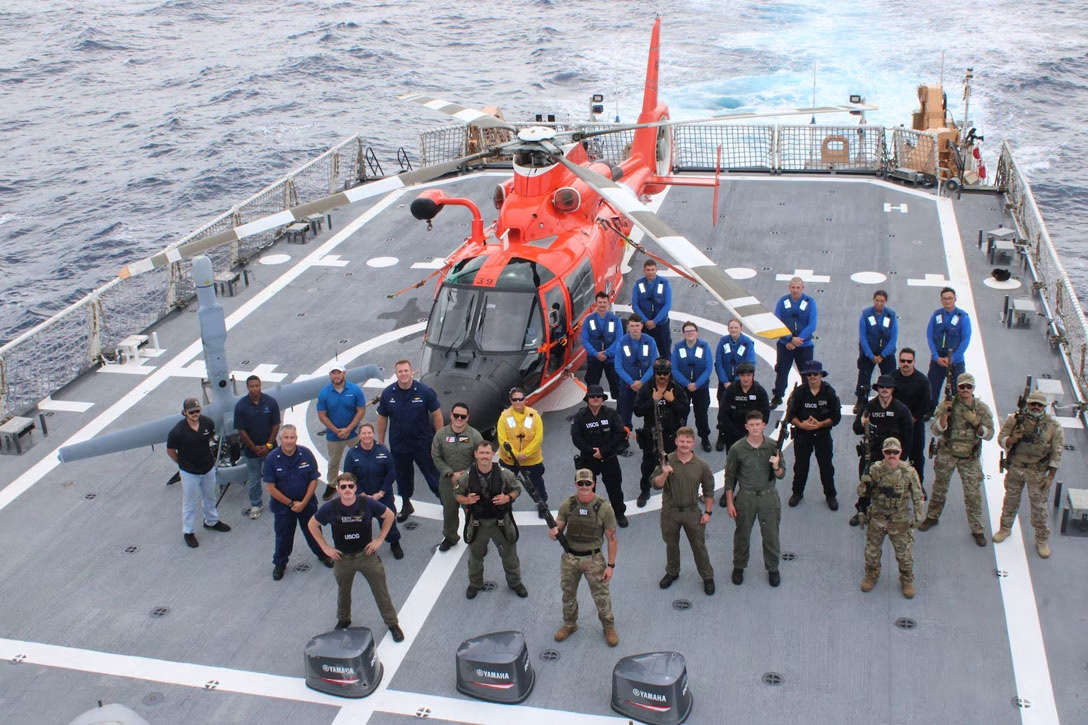
Coast Guard’s Helicopter Interdiction Tactical Squadron | Photo: USCG
The sniper was part of the Coast Guard’s Helicopter Interdiction Tactical Squadron, or HITRON. This unit specializes in airborne force during maritime pursuits. HITRON crews train to hit moving engines from a moving aircraft, a complex task requiring expertise in ballistics and flight dynamics.
The unit’s goal is to disable engines, not engage people. This approach ends dangerous chases quickly while keeping everyone involved safer. Stopping the boat allows surface teams to board under controlled conditions.
How The Operation Worked
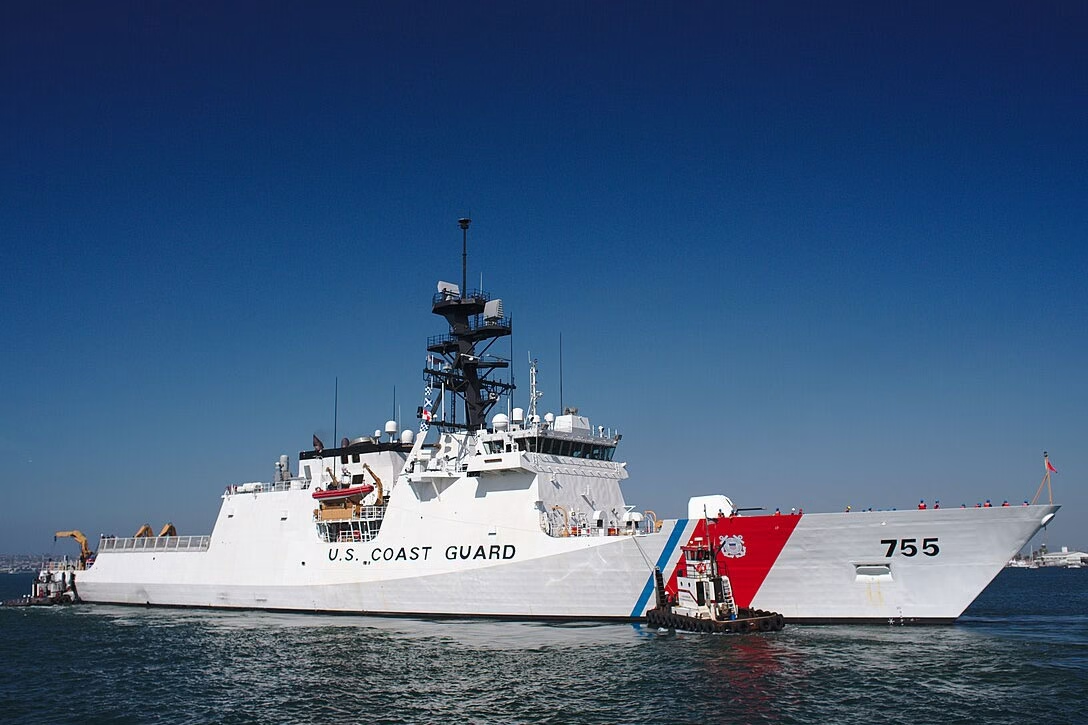
USCGC Munro | Photo: Tom Brossman
- Detection: Surveillance spotted a go fast boat in a known trafficking area of the Eastern Pacific.
- Aerial Launch: A HITRON helicopter took off from a Coast Guard cutter to intercept the boat.
- Engine Disablement: A sniper in the helicopter disabled the boat’s engines with precise rifle fire.
- Boarding and Seizure: Teams from USCGC Munro boarded the vessel, detained the crew, and found over 20,000 pounds of cocaine.
This process shows the vital coordination between air and sea units for a successful mission.
The Impact On Maritime Security
Go fast boats are popular with drug traffickers for their speed and range, which can outpace many patrol boats. When a helicopter sniper disables their engines, that speed advantage is lost instantly.
Such interdictions are crucial for stopping drugs before they reach shore. Large seizures disrupt criminal finances, reduce the drug supply, and demonstrate that even remote ocean routes are monitored.
Adapting to Protect the Seas
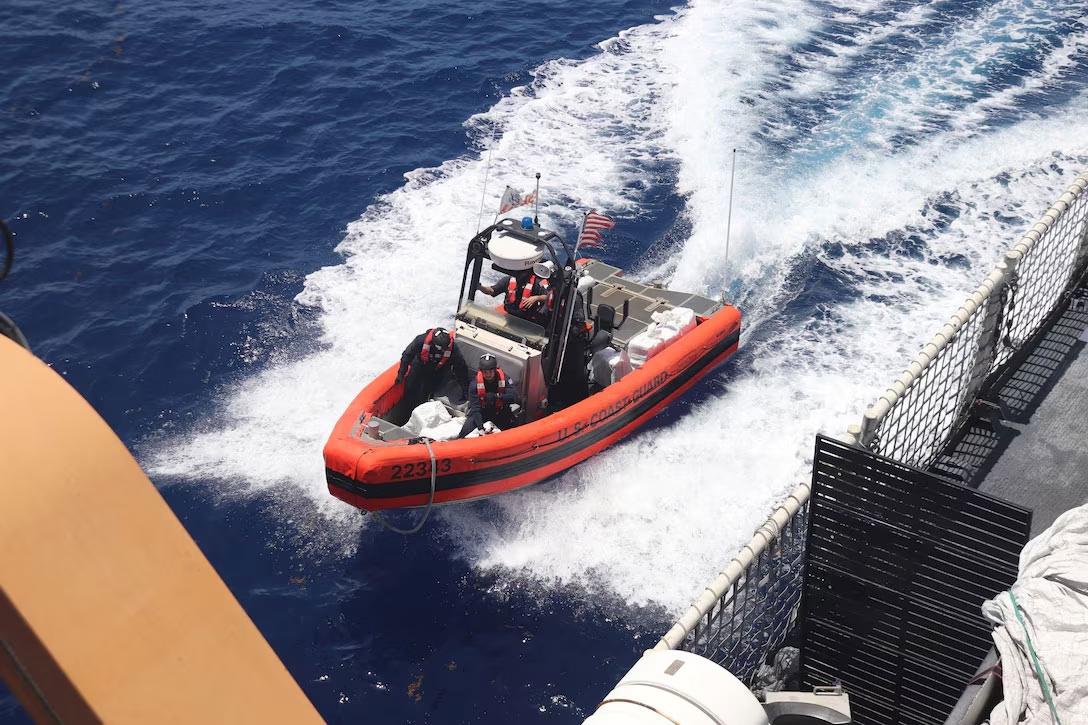
A Coast Guard Cutter Vigilant (WMEC 617) small boat crew transfers illicit drugs seized from a go-fast style vessel back to the cutter in the Caribbean Sea, Aug. 15, 2025. | Photo: DHS
The scene of a Coast Guard sniper stopping a narco boat from a helicopter is more than a viral video. It demonstrates a proven strategy combining elite training, modern aircraft, and coordinated operations. By turning high speed chases into controlled seizures, the Coast Guard adapts to evolving threats and protects vital sea lanes.