
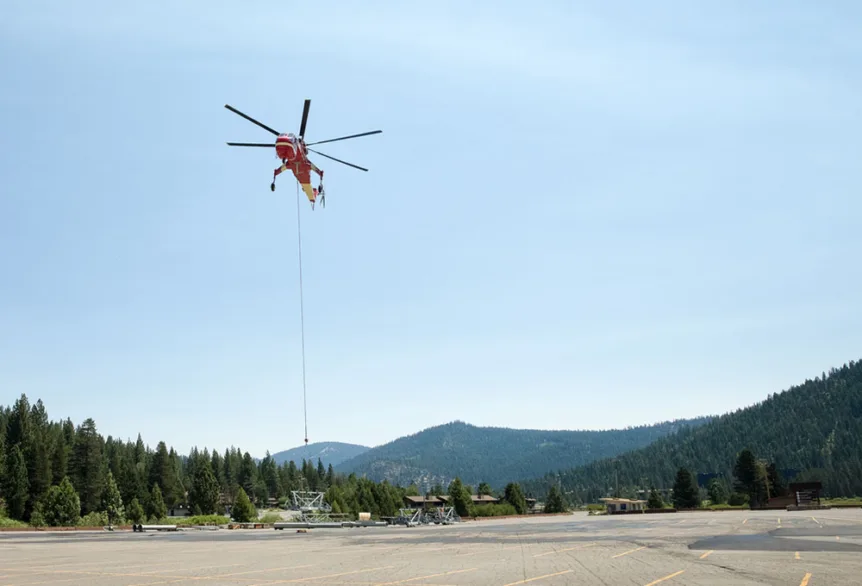
Aerial cranes, also known as helicopter cranes, are increasingly being employed in various industries for their unparalleled lifting capabilities, versatility, and ease of use. They offer a range of benefits that are transforming the way heavy loads are handled and construction projects are executed. Here we present a lift of the six key advantages of using aerial cranes, as well as explore additional benefits that contribute to their growing popularity.
- Access to Remote and Hard-to-Reach Locations: One of the most significant advantages of aerial cranes is their ability to access remote and hard-to-reach areas. This is particularly useful in mountainous terrain, densely forested regions, or locations with limited infrastructure. With aerial cranes, there is no need for constructing temporary access roads or extensive site preparation, which can save both time and money. Additionally, they minimize the environmental impact of construction projects, as they do not disturb the ground or surrounding vegetation.
- Time and Cost Savings: Helicopter cranes offer considerable time and cost savings compared to traditional ground-based cranes. They can be quickly mobilized and deployed, allowing construction projects to commence promptly. As they can lift heavy loads directly to their destination, aerial cranes eliminate the need for multiple lifts and transfers, streamlining the construction process. They also require less personnel and equipment, which can lead to lower labor and maintenance costs.
- Enhanced Safety: Safety is a top priority in any construction project, and aerial cranes provide a safer alternative to traditional cranes. They can maintain a safe distance from the ground, reducing the risk of accidents caused by ground-based obstacles, uneven terrain, or human error. The use of helicopter cranes also minimizes the need for ground personnel to handle heavy loads, further mitigating the risk of injury.
- Versatility and Flexibility: Aerial cranes are known for their versatility and flexibility, which enables them to be utilized in a wide range of applications. They can lift heavy loads with remarkable precision, making them an excellent choice for projects that require intricate maneuvers or the placement of large objects in tight spaces. Aerial cranes can also be used for disaster relief efforts, transportation of oversized cargo, and the installation of large-scale art installations or sculptures.
- Minimal Impact on Surrounding Traffic and Infrastructure: Unlike ground-based cranes, helicopter cranes do not impede traffic or disrupt surrounding infrastructure. This is particularly beneficial in urban areas, where road closures and construction-related delays can have a significant impact on local businesses and residents. By minimizing disruptions, aerial cranes can help maintain the flow of traffic and reduce the overall impact of construction projects on the community.
- Increased Load Capacity: Helicopter cranes are designed to handle heavy loads, often surpassing the weight capacities of traditional ground-based cranes. This increased lifting capacity enables them to handle larger, more complex projects, making them a valuable asset in the construction industry.
Aerial cranes are revolutionizing the way heavy loads are managed and construction projects are executed. Their ability to access remote locations, save time and costs, enhance safety, and provide versatility and flexibility make them an invaluable asset in various industries. As technology continues to advance, we can expect aerial cranes to play an even more significant role in shaping the future of construction and heavy lifting operations.