
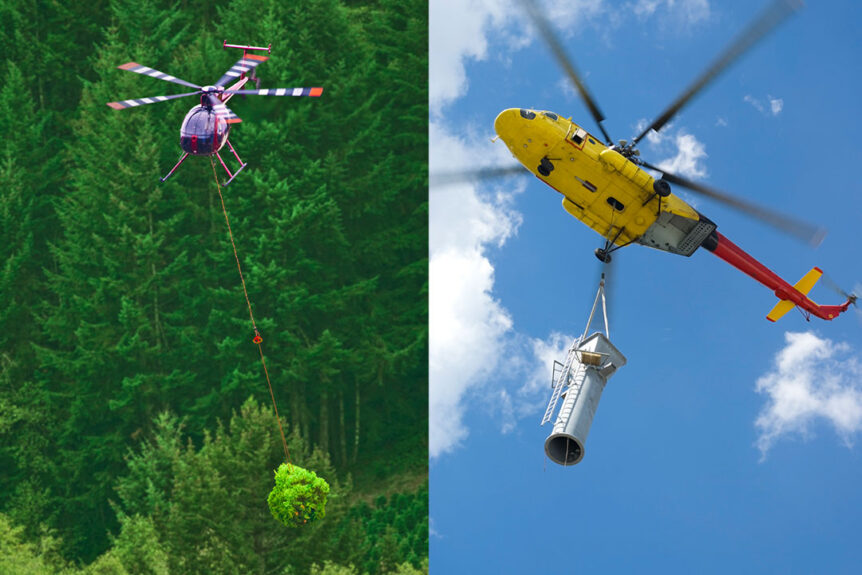
When a road, runway, or barge route is not an option, helicopter sling load operations step in to keep critical projects on schedule. From precision setting of rooftop HVAC units in cities to hauling drill rigs into remote mountains, external load helicopter services solve complex logistics problems that trucks, cranes, and fixed wing aircraft cannot reach.
At a Glance
Helicopter sling load or external load operations move heavy or oversized cargo to hard to reach sites by carrying it beneath the aircraft, often faster, with less ground disturbance, and sometimes as the only viable option.
- What it is: Cargo is rigged to a hook or long line under a helicopter instead of inside the cabin, allowing direct delivery of bulky or heavy items to the worksite.
- Where it is used most: Construction and infrastructure, utilities and energy, mining and exploration, and disaster response operations.
- How a mission runs: Careful pre planning of weights, routes, and performance margins, followed by trained ground crew rigging and controlled lifting, transit, and precise placement.
- Safety focus: Verified load weights, inspected and rated rigging, conservative performance margins, close weather monitoring, clear communications, and specialized pilot and crew training.
- Why it matters: Best used when roads, cranes, or barges are not feasible, access is tight in urban areas or extremely remote, and schedules are critical.
What Are Helicopter Sling Load Operations?
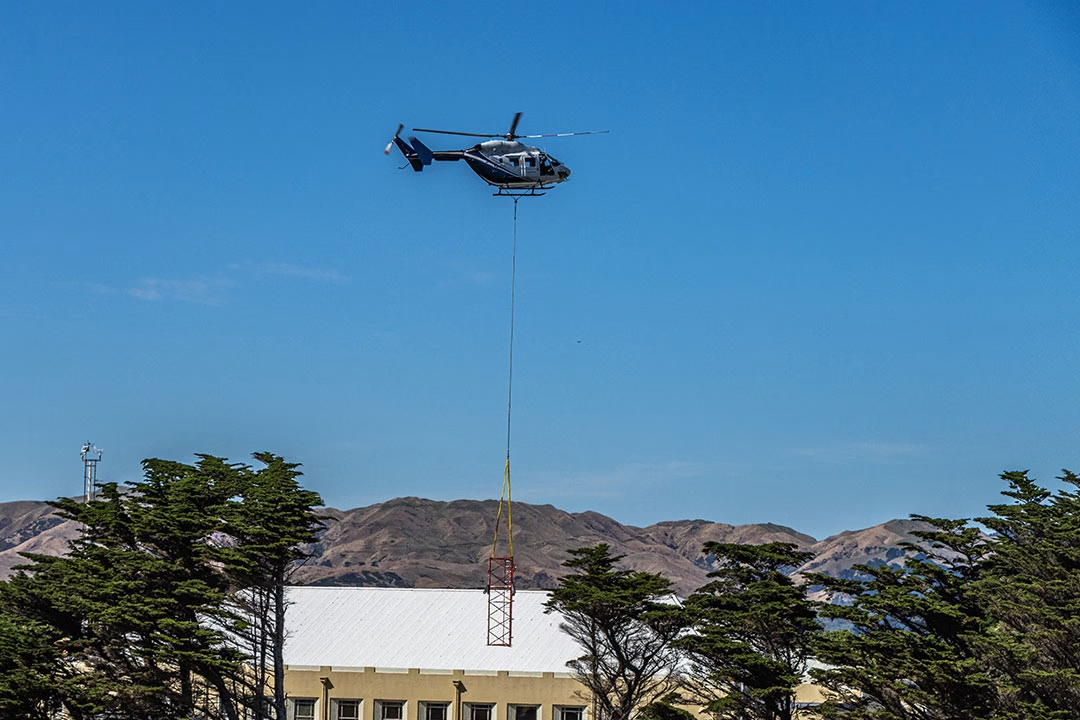
Helicopter rising after attaching radio mast component and lifting component clear of building and trees
Helicopter sling load operations, or external load services, carry cargo externally using slings, nets, hooks, or load frames. Crews attach freight to a cargo hook or long line beneath the helicopter instead of loading the cabin. This enables direct delivery of oversized, heavy, or awkward items to worksites with minimal ground infrastructure.
The Federal Aviation Administration (FAA) defines external load operations in Part 133 of the Federal Aviation Regulations and treats them as a specialized activity requiring specific certification, procedures, and pilot training.
Types of External Loads
External loads typically fall into three broad categories:
- Class A loads that are fixed to the helicopter and cannot be jettisoned, such as a permanently mounted camera system.
- Class B loads that are carried on a line and can be quickly released in an emergency, such as construction materials or equipment pallets.
- Class C human loads like personnel on a fixed line, used only in very specific, highly regulated missions such as rescue operations.
Most commercial sling work that supports construction, utilities, and mining falls into the Class B category.
Where Sling Load Helicopters Add the Most Value
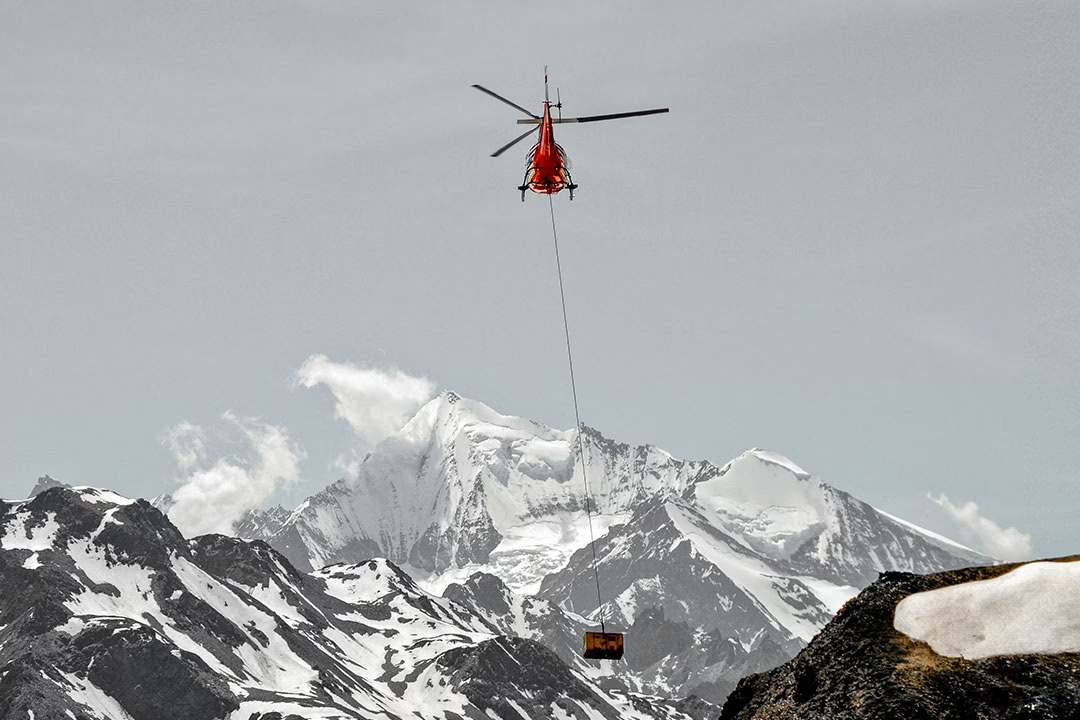
A helicopter delivers supplies, over the Swiss Alps in early summer.
Sling load helicopters are not just a backup plan for difficult jobs. In many sectors they are the primary tool that makes certain projects possible at all. The biggest value comes whenever ground access is limited, time is critical, or the work site is too sensitive for heavy equipment.
1. Remote Construction and Infrastructure
Aerial construction lifting allows crews to place building materials exactly where they are needed, even on rugged terrain or confined urban sites. Common applications include:
- Delivering rebar, concrete forms, and structural steel to mountain or island construction projects
- Setting rooftop HVAC units, generators, and communications shelters where crane access is limited
- Placing bridge components or precast elements over rivers and deep valleys
Studies of alpine infrastructure projects in Europe have shown that helicopter lifting can be faster and cause less environmental disturbance than building temporary roads or moving large cranes into fragile terrain.
2. Utility Line and Energy Sector Support
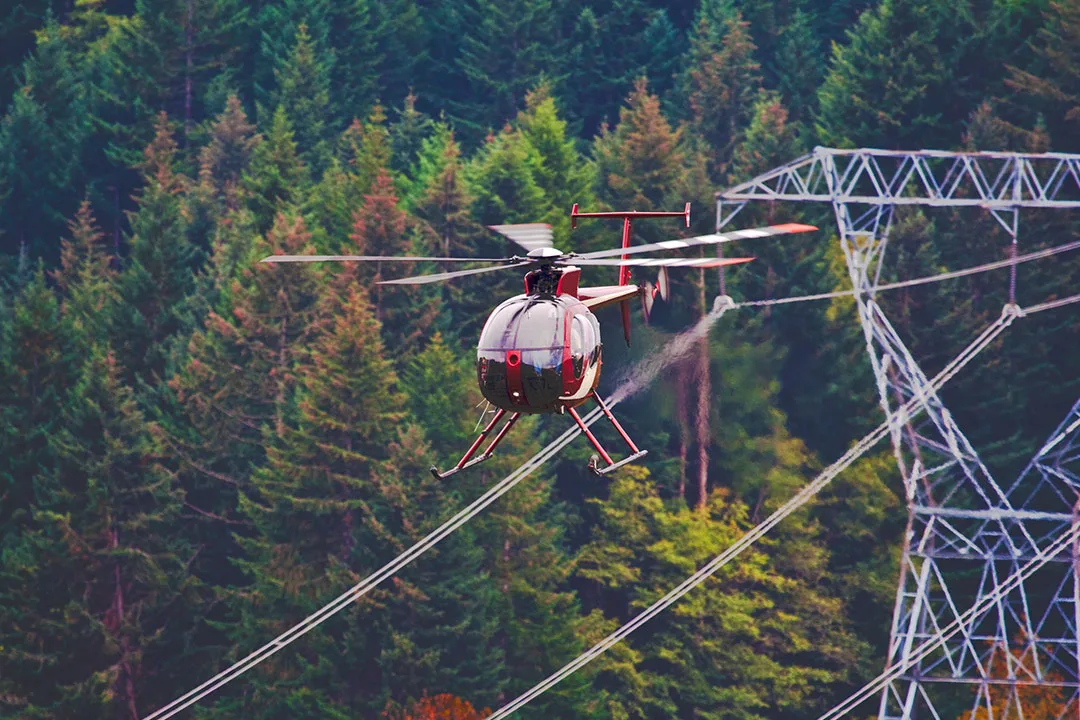
A helicopter hovers close to a high voltage line tower.
Power grids, pipelines, and telecom networks often run far from paved roads. Helicopter cargo transport keeps these lifelines functioning by:
- Flying tower sections, poles, and insulators into right of way locations
- Stringing power lines using specialized blocks and reels
- Supplying fuel, tools, and components to remote compressor stations or cell sites
Helicopters are integral for high voltage line construction and maintenance because they reduce the need for land clearing and minimize outages.
3. Mining, Exploration, and Environmental Projects
Mining and exploration teams depend on remote site logistics by helicopter to establish and sustain field camps, especially in mountainous, arctic, or jungle environments. Typical sling loads include:
- Drill rigs, core boxes, fuel drums, and camp modules
- Geophysical survey gear and environmental sampling equipment
- Removal of waste or contaminated material from sensitive sites
Helicopter support allows companies to reduce the footprint of remote exploration and comply with strict access and reclamation requirements.
4. Disaster Response and Humanitarian Relief
After hurricanes, earthquakes, floods, or wildfires, roads may be blocked or unsafe. Helicopter sling load operations enable rapid delivery of life saving supplies and infrastructure by:
- Moving generators, water treatment units, and satellite communications gear into affected communities
- Delivering pallets of food, water, and medical supplies when landing zones are limited
- Airlifting debris, wreckage, or damaged equipment out of hazard zones
How a Typical Sling Load Mission Works
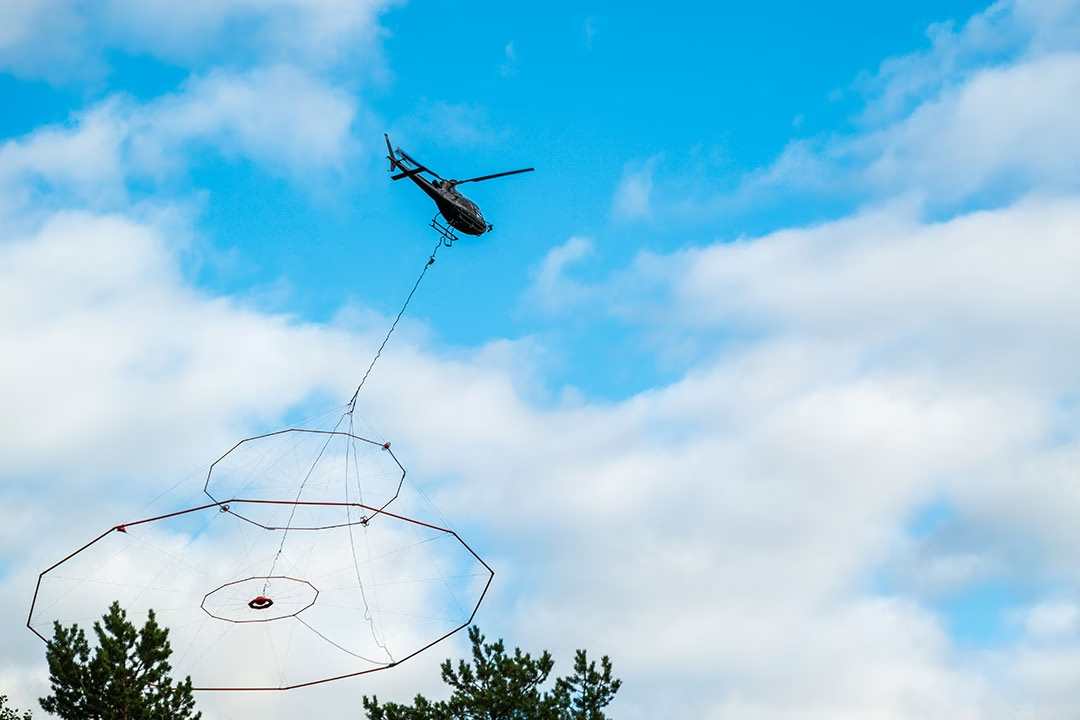
Helicopter with a special instrument searches for minerals from the air.
Behind every successful lift is detailed planning and coordination between the helicopter operator, the customer, and ground crews. While each mission is unique, the basic workflow follows a predictable pattern.
1. Pre Mission Planning
Before the helicopter ever starts, planners confirm:
- Load weight and dimensions verified against the helicopter’s performance limits and environmental conditions
- Rigging requirements including slings, spreader bars, hooks, and attachment points
- Flight routes and altitudes that consider terrain, obstacles, airspace, and noise sensitive areas
- Helicopter performance margins with adequate power available for takeoff, hover, and climb in the current temperature and elevation
Guidance emphasizes conservative margins between planned load weight and maximum allowable weight to provide a safety buffer for gusts and unforeseen variables.
2. Ground Crew Preparation
On site, trained ground personnel stage the loads in a safe, open area with:
- Clear markings for the pickup and set down spots
- Properly inspected slings, hooks, and nets laid out and connected
- Tag lines attached to control load spin and sway
- Personal protective equipment including helmets, high visibility vests, eye and hearing protection
3. The Lift and Delivery
During the lift itself, communication and precision matter more than speed.
- The pilot hovers above the load while a qualified loadmaster or crew member guides alignment.
- The load is attached, tensioned slowly, and checked for balance before leaving the ground.
- The helicopter climbs to a safe transit altitude and proceeds along the planned route.
- At the drop site, the pilot sets the load down gently while ground crew use tag lines to prevent swinging or rotation.
Because the weight and drag of an external load can change helicopter handling significantly, pilots who perform sling work receive additional training in load dynamics, long line flying, and emergency procedures.
Key Safety Considerations in Sling Load Work
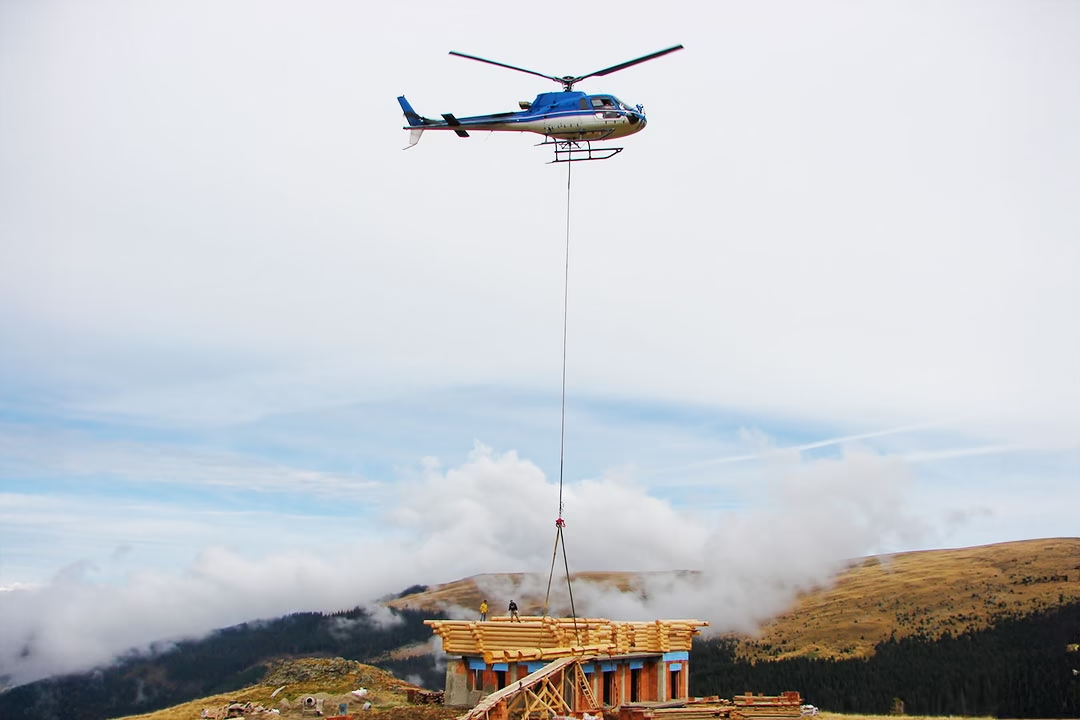
A helicopter places building materials to a remote construction site.
Helicopter sling load operations are highly effective when they are methodical and disciplined. Safety is built on a combination of aircraft capability, equipment integrity, crew training, and clear communication.
1. Accurate Weight and Balance
Overloading a helicopter is never acceptable. Operators rely on:
- Verified load weights, not estimates, especially for dense items like generators or transformers
- Consideration of fuel load, passenger count, and altitude and temperature effects on performance
- Use of performance charts and onboard systems to confirm safe operating margins
2. Rigging and Equipment Integrity
Every sling, shackle, and hook is part of the safety chain. Best practices include:
- Using rigging with clearly marked working load limits and inspection dates
- Avoiding sharp edges or pinch points that can damage slings
- Ensuring loads are stable and have appropriate attachment points
3. Communication and Weather Monitoring
External load flying is highly sensitive to weather, especially wind and visibility. Safe operators plan around:
- Wind limits appropriate for the load size and line length
- Forecasts and real time observations along the route and at both sites
- Reliable radio communication between pilot, loadmaster, and ground crews
When to Consider Helicopter Sling Load Services
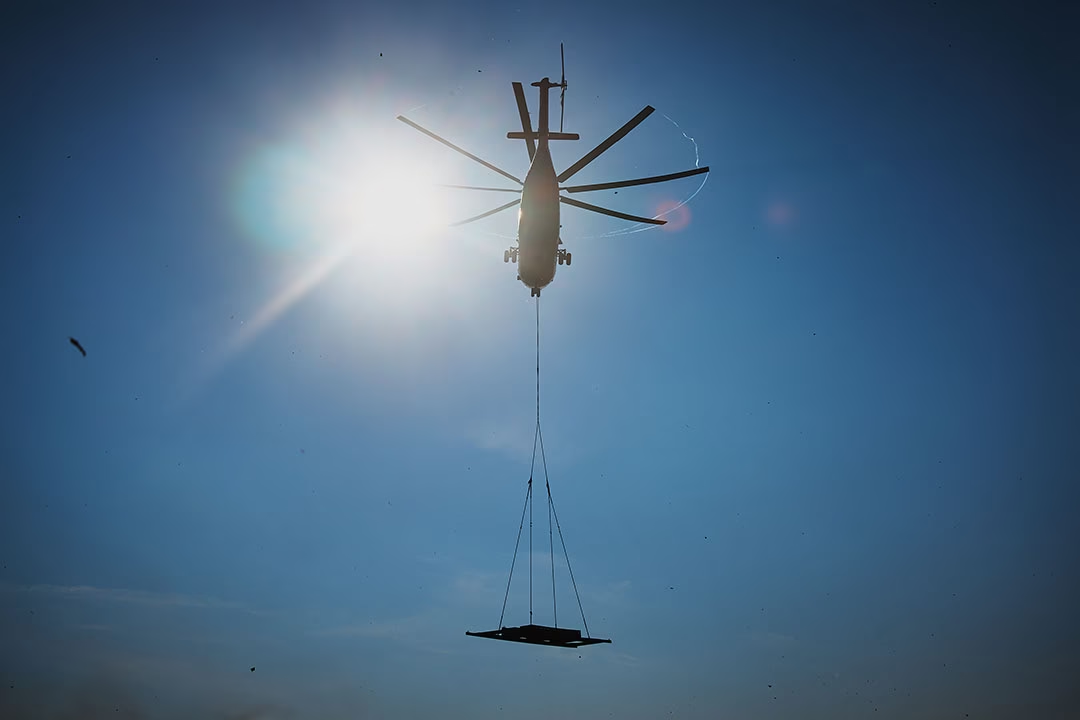
The world’s largest cargo helicopter transports cargo on a sling load.
For project managers, engineers, and emergency planners, choosing helicopter sling load operations is a cost-benefit calculation: helicopter time cost versus schedule savings, reduced ground impact, and access to otherwise off-limits locations.
A helicopter solution may be the right choice when:
- Your site access is blocked by terrain, waterways, or environmental restrictions.
- Cranes or heavy trucks cannot safely reach the work area.
- Project delays would be more expensive than the cost of aerial lifting.
- Speed is critical, as in power restoration, telecom repairs, or disaster relief.
Working with an experienced helicopter services coordinator like Fair Lifts helps streamline load lists, optimize work sequencing, and ensure the right aircraft and crew qualifications are matched to the job.
As infrastructure expands into tougher environments and resilience planning grows urgent, helicopter sling load operations will become more vital to logistics, offering a safe, agile, precise way to keep remote projects moving when properly planned and executed.