
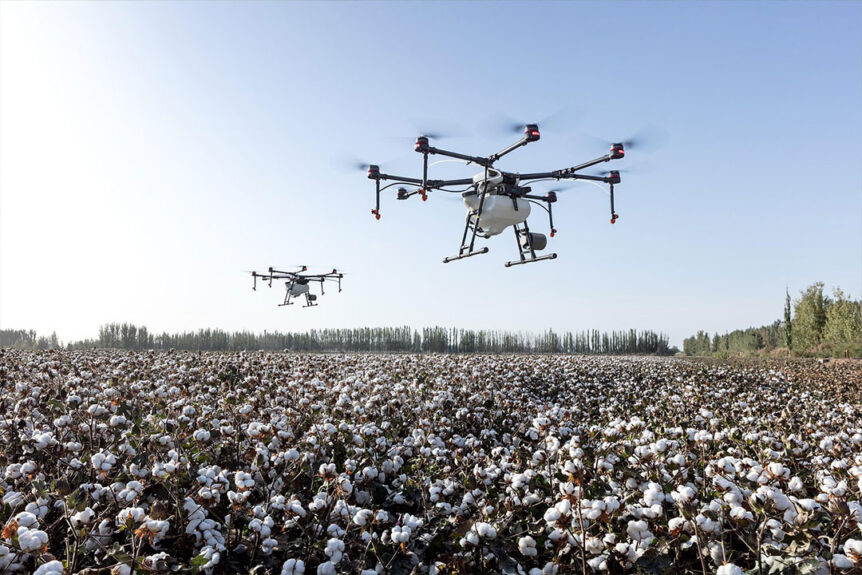
Agricultural drones for next generation farmers represent more than a new tool. They are becoming a practical answer to a question that echoes through farming families nationwide: “What will you bring to the farm?” As the next generation steps into leadership roles, drone technology offers a modern path to improve efficiency, protect yields, and manage inputs with greater precision.
Increasingly, producers are embracing these capabilities through certified drone service providers rather than operating systems in-house. This approach allows farms to access advanced equipment, specialized expertise, and compliant execution while staying focused on day-to-day production.
For next generation farmers, agricultural drones represent a smarter way to modernize operations without taking on new operational complexity.
The Wilson family farm in Montgomery, Indiana, reflects this shift. When the operation needed a better approach to pest and disease control, traditional high-clearance sprayers were cost-prohibitive. The area also lacks large, open fields. Instead, small and hard-to-reach parcels are common, which can limit conventional equipment and complicate timely applications.
Agricultural drone services address these challenges by enabling precise treatments with reduced soil compaction, earlier access after rain events, and greater scheduling flexibility. For farms with variable terrain and fragmented acreage, agricultural drone services provide a scalable alternative to large capital investments in ground equipment.
Growing Demand for Drone Services in Modern Farming
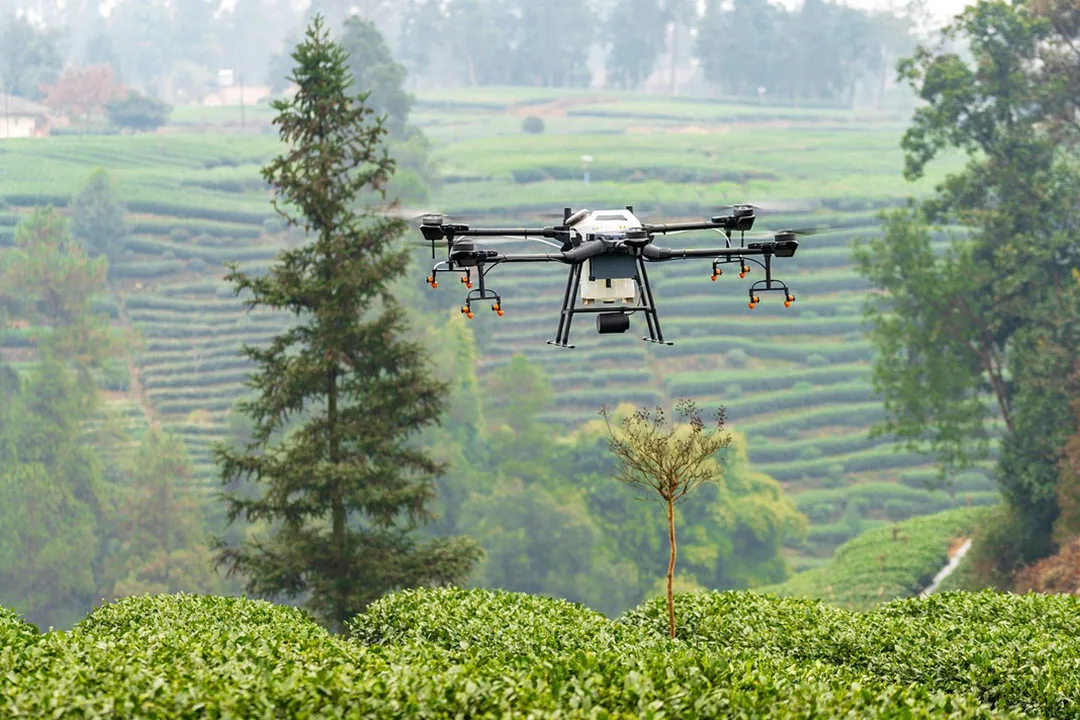
The timing is strong for agricultural drones for next generation farmers. Market analysts project the global agricultural drone sector will expand from $5.86 billion in 2025 to $23.73 billion by 2032, representing a compound annual growth rate of 22.1%. This growth reflects increasing recognition of drone capabilities across applications such as field mapping, crop monitoring, precision spraying, and seeding.
North America leads adoption with approximately 45% market share, supported by regulatory clarity and a mature precision-farming ecosystem. The hardware segment dominates with nearly 69% market share, as advanced sensors, cameras, and navigation systems enable increasingly sophisticated results. Rotary-wing drones command 43.7% of the market due to their hovering ability, maneuverability, and precision spraying performance. These capabilities remain especially useful for diverse and fragmented operations.
Certified Drone Operations in Agriculture
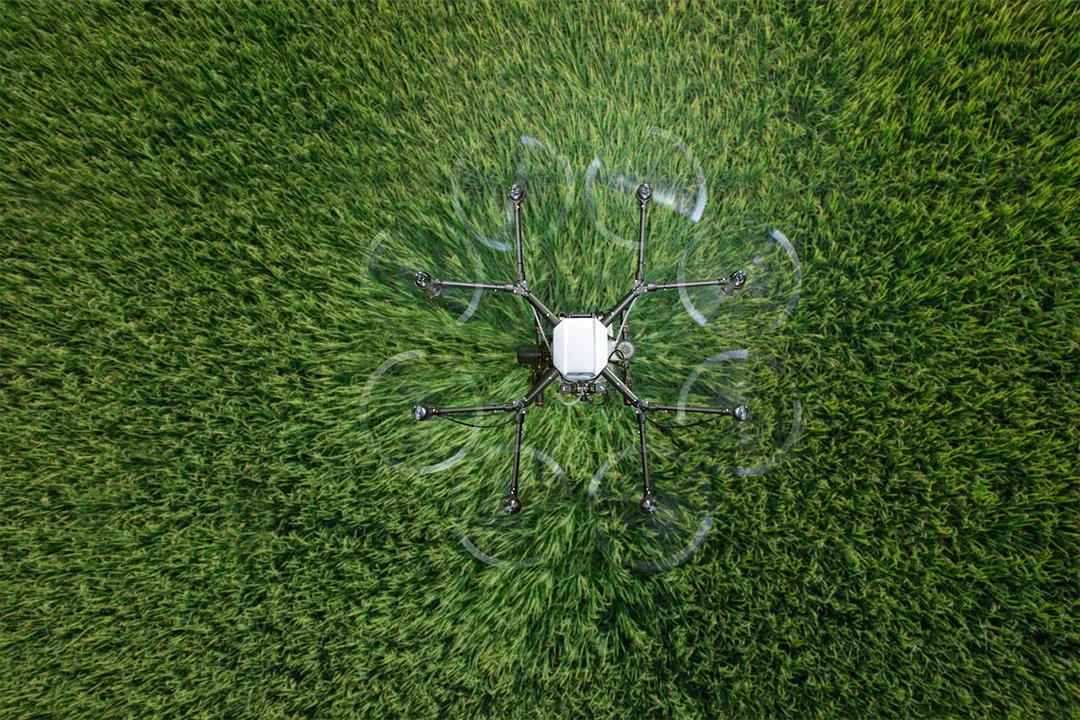
Professional agricultural drone services require certified operators who meet federal and state requirements. For commercial drone work, the FAA Part 107 remote pilot certificate is mandatory and requires passing a knowledge examination. For aerial application work, FAA Part 137 certification is also required, which includes a self-administered field test.
Individual states may add additional requirements. Indiana, for example, mandates an aerial Category 11 license for pesticide application across farm, aquatic, and rights-of-way sites.
While these layered requirements can feel complex, they help establish clear professional standards. For farms, partnering with properly certified service providers simplifies compliance and reduces operational risk. The result is a more reliable pathway to deploy drone technology as a serious agricultural tool rather than an experimental add-on.
Turning Field Data Into Actionable Insights
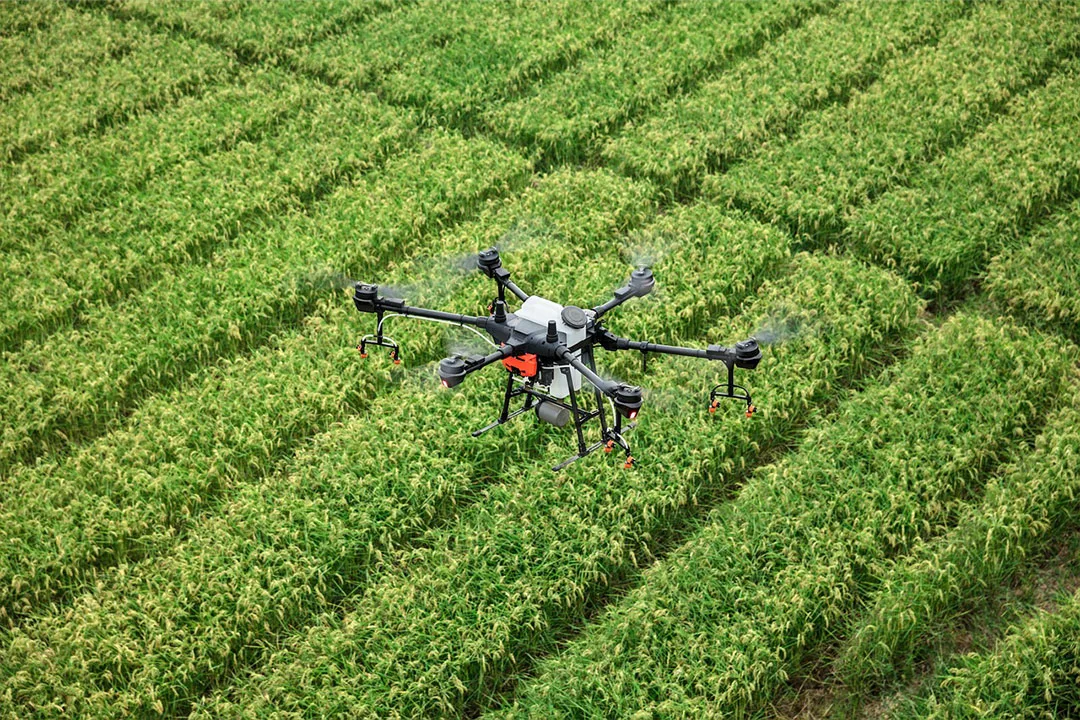
Agricultural drone programs support precision agriculture workflows that directly impact profitability. Normalized Difference Vegetation Index (NDVI) sensors can monitor plant health using detailed color data, helping identify problems before visible symptoms emerge. Early detection enables targeted interventions that protect yield potential while reducing unnecessary input costs.
Compared with satellite imagery, drone-based imaging typically delivers significantly higher resolution at the field level. This closer view can support earlier and more targeted decision-making, especially when conditions change quickly across different zones of the same field.
Field mapping can also reveal elevation irregularities, moisture variation, and nutrient deficiencies that affect uniform growth. Multispectral and thermal sensors detect crop stress, pests, or disease early, supporting timely action and minimizing damage. Beta testing across 50 farms in California and the Midwest demonstrated a 25% improvement in crop management efficiency and a 15% increase in yields, highlighting how data-driven decisions can translate into measurable outcomes.
A Cost-Effective Alternative to Traditional Equipment
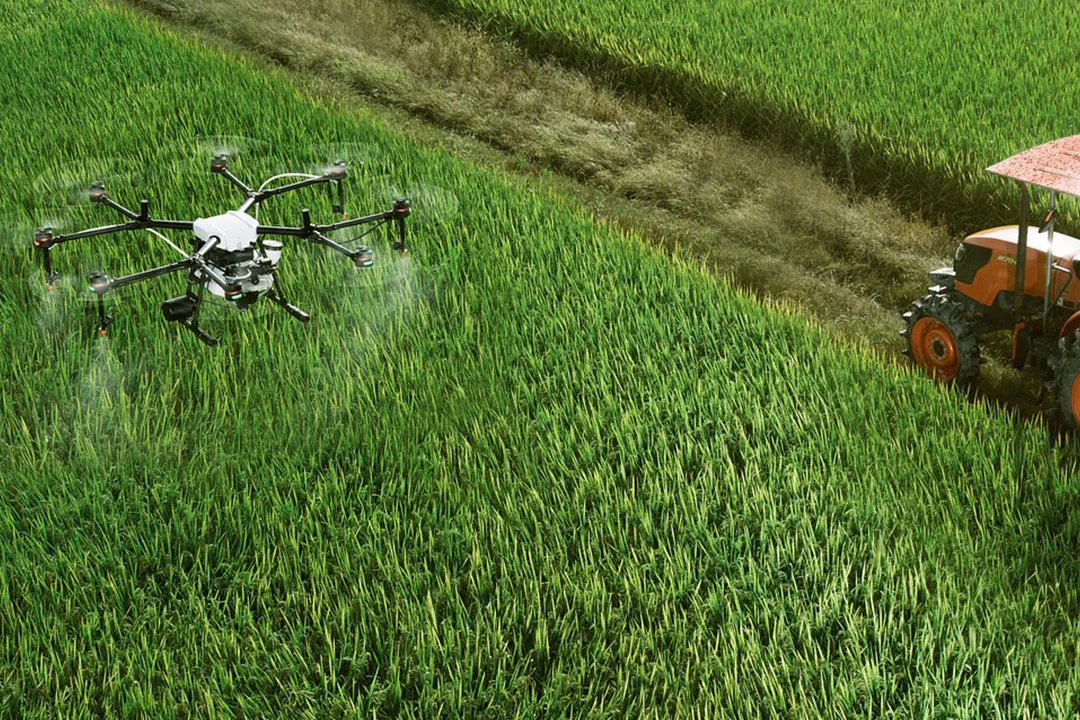
The financial case for agricultural drones resonates with next generation farmers, particularly when services are compared with large capital purchases. Complete drone packages for dry and liquid application are often cited around $35,000, compared to $500,000 to $600,000 for traditional ground sprayers. Even when a farm does not purchase equipment, these figures help explain why many operations prefer to access drone capability through professional services rather than ownership.
Professional drone services give farms access to advanced capability without the cost of equipment ownership.
Operational efficiency further strengthens the value proposition. Drone spraying programs are well suited for precision work, with common service rates around 30 acres per hour depending on product, rate, field complexity, and conditions. Professional service providers deploy battery-managed systems that support full-day field operations while maintaining consistent application performance.
For farms that previously relied on crop dusters, drone services can reduce scheduling uncertainty and support more timely treatments when weather, growth stage, and pest pressure align. This helps ensure applications occur when they are most effective rather than when equipment availability allows.
Deploying Drone Technology Through Certified Services
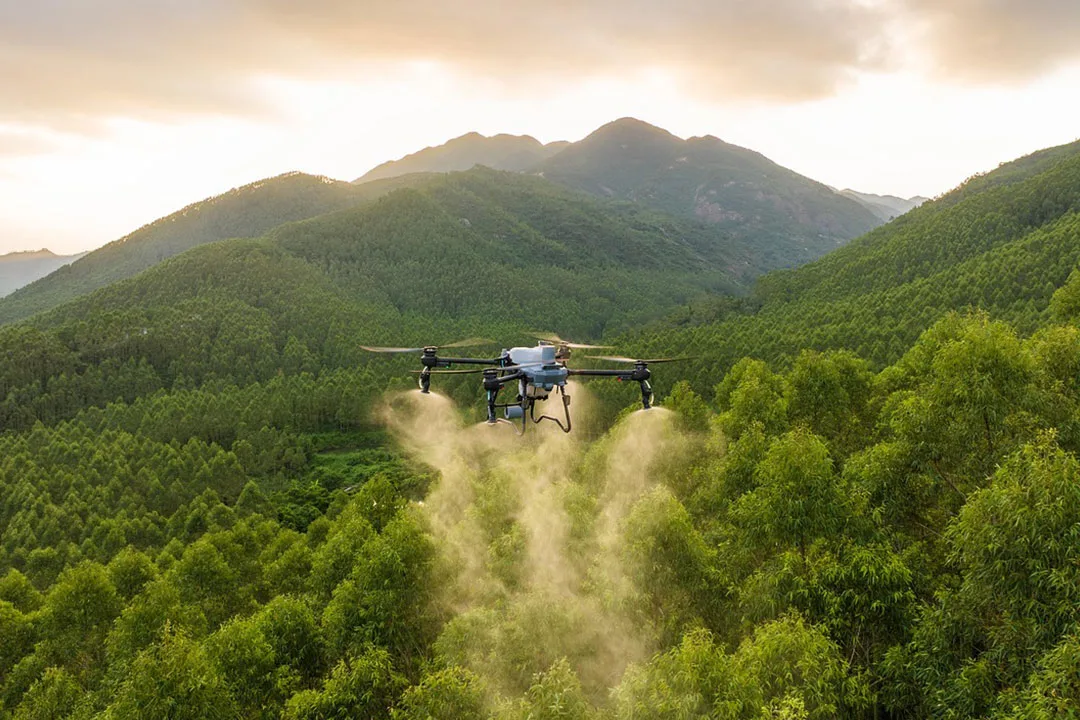
Rather than operating drone systems themselves, many next generation farmers are choosing to work with professional agricultural drone service providers. This approach allows farms to access advanced drone technology without assuming responsibility for equipment ownership, regulatory compliance, or operational execution.
Drone application services support a wide range of applications, including precision spraying, crop health monitoring, and field analysis. By outsourcing these tasks to certified operators, farms gain consistent results, experienced execution, and compliance with FAA and state-level requirements. This model reduces risk while ensuring drone technology is deployed effectively and safely.
Outsourcing drone operations allows farmers to focus on production while specialists handle execution.
For farms evaluating drone-based solutions, service providers offer flexibility that traditional equipment cannot. Applications can be scheduled as needed, scaled by acreage, and tailored to specific field conditions. This allows next generation farmers to adopt precision agriculture practices without committing to significant capital investments or specialized training.
Smarter Drone Systems for Modern Farms
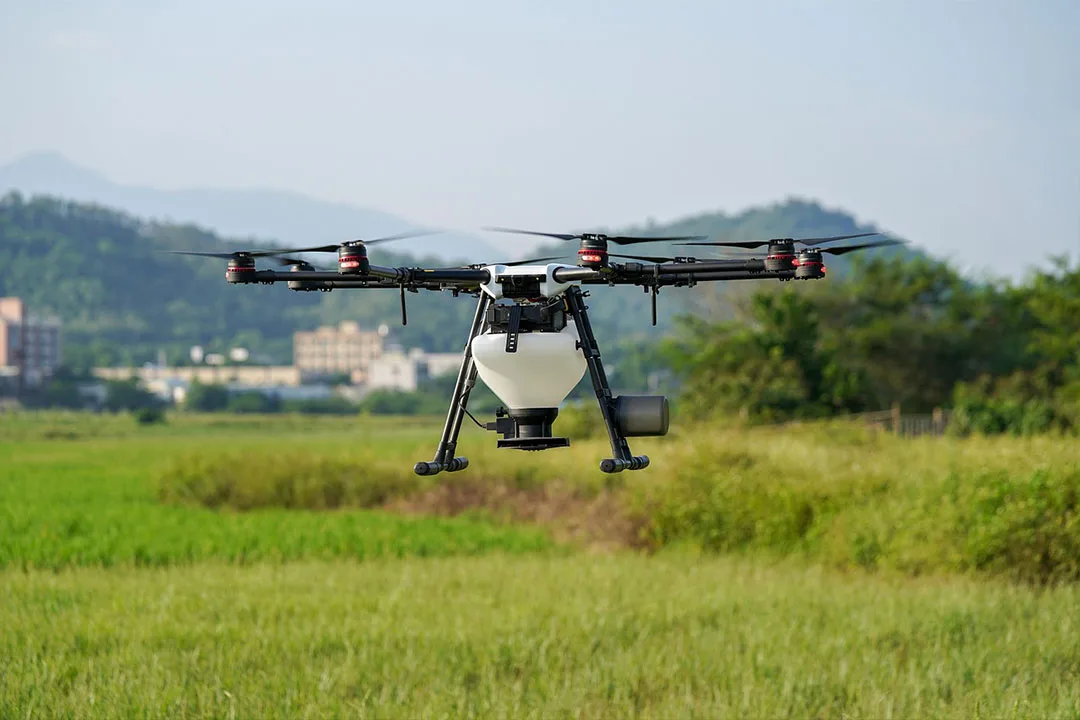
Ongoing technology advancements continue to expand what agricultural drones can accomplish. Light detection and ranging, also known as LIDAR, systems replace traditional radar with pulsed laser measurement. This enables precise object detection and safer operation near obstacles such as power lines and tree lines.
This capability is particularly valuable in regions where utility lines cross field interiors rather than remaining on boundaries. With modern sensing and planning tools, service providers can operate more safely in complex environments while maintaining coverage quality.
Advanced platforms now integrate high-resolution sensors with automated flight systems that streamline execution. These improvements help service providers deliver consistent outcomes and expand coverage options for larger or more time-sensitive applications. Swarm-enabled systems also continue to develop, coordinating multiple drones to increase productivity where scale and timing demand higher throughput.
Reducing Inputs While Protecting Yield
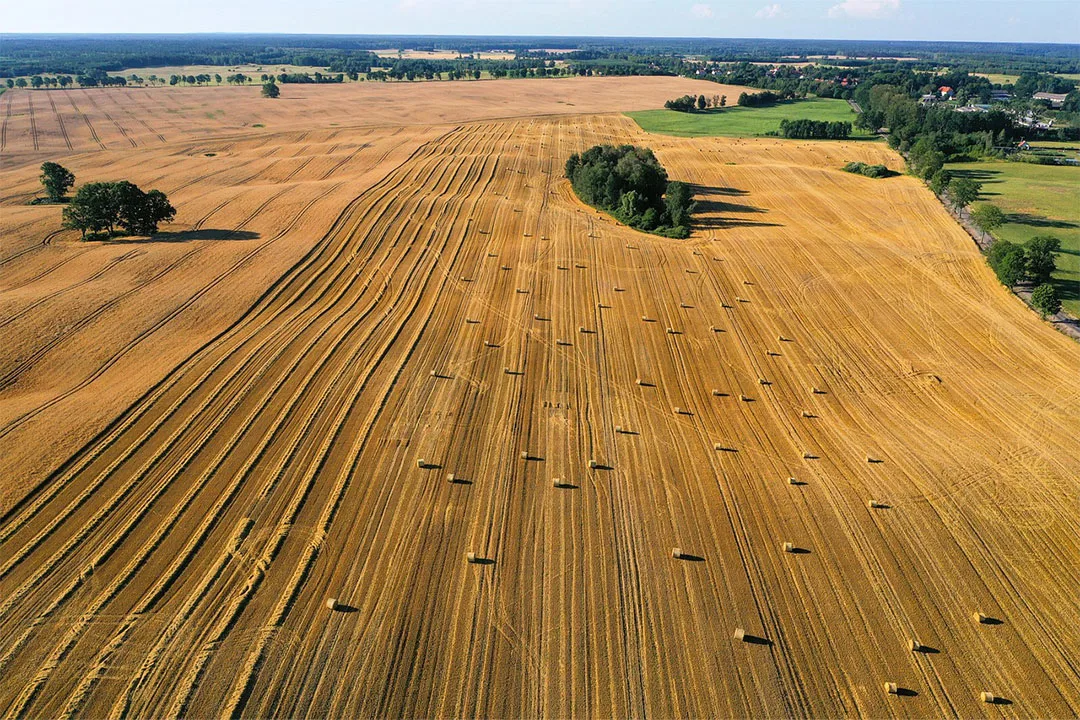
Environmental stewardship increasingly influences farming decisions, particularly among next generation operators. Agricultural drone services can reduce chemical runoff into waterways through precision targeting that applies inputs only where needed. Farms using drones for precision spraying and monitoring can reduce water usage by up to 90% in controlled applications, while reducing chemical applications through spot-treatment approaches that minimize unnecessary coverage.
This targeted resource use supports eco-conscious production goals while maintaining yield and quality expectations. For farmers building operations intended to remain viable for decades, these sustainability advantages complement economic benefits and align with evolving consumer preferences and regulatory requirements.
Bringing Drone Technology to the Field
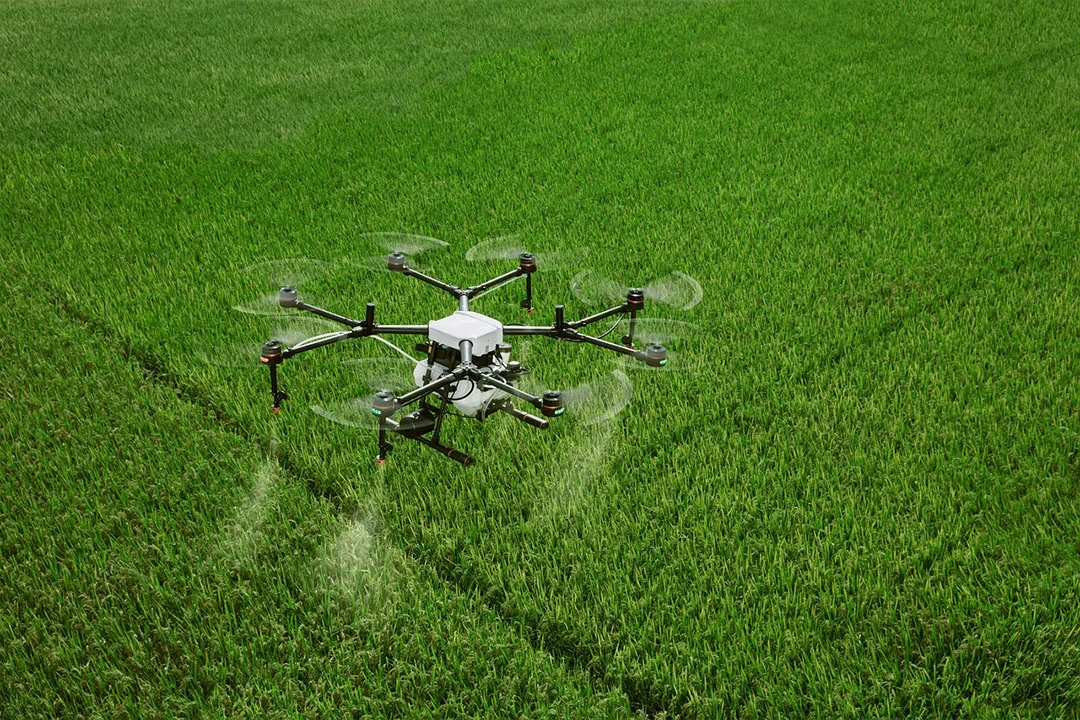
Next generation farmers are embracing drone technology as a smarter way to manage crops, inputs, and environmental impact without adding operational complexity. By working with certified drone service providers, farms gain access to modern equipment, compliant execution, and experienced field-ready support.
Fair Lifts provides professional agricultural drone services and consultations to help producers evaluate applications such as precision spraying, crop monitoring, and field analysis. Contact Fair Lifts to discuss how drone services can support your operation.