
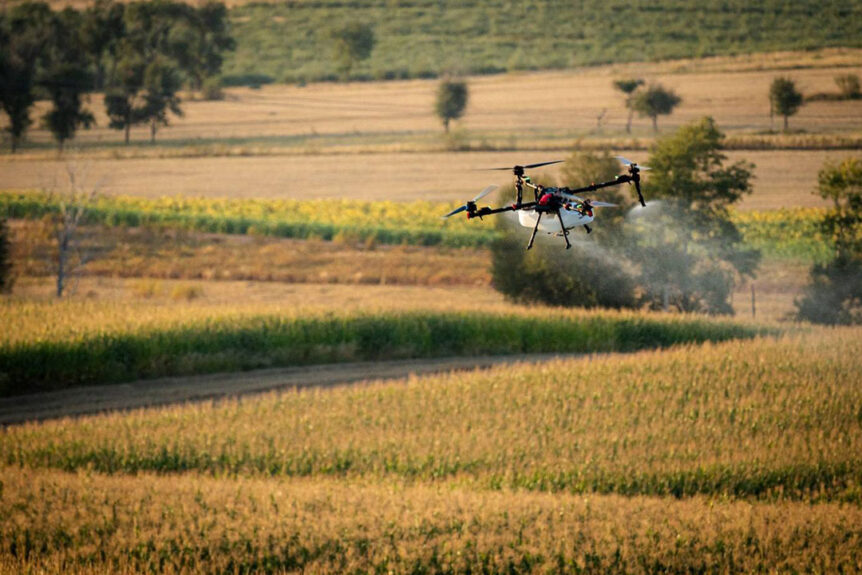
Deciding between Wet Spraying vs. Dry Spreading is the first step in optimizing your drone-led crop management. Agricultural drones have transformed how farmers handle fields by covering ground quickly, navigating difficult terrain, and preventing soil compaction.
However, before you book a flight, you must determine which application method fits your specific goals. This guide compares both Wet Spraying and Dry Spreading side-by-side to help you choose the right approach for your crop, inputs, and timing.
Understanding Wet Spraying
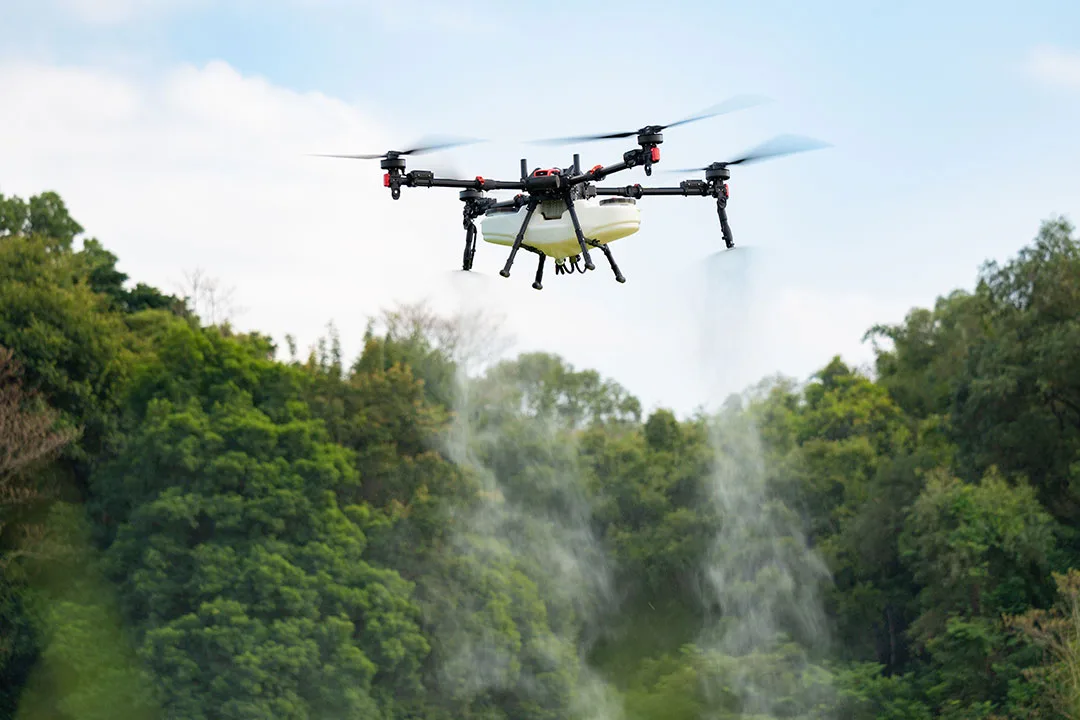
A XAG P150 Max Agricultural Drone delivers precision spraying across crops. | Photo: xa.com
Wet spraying uses a drone with a liquid tank and nozzle system to apply a fine mist. The drone’s rotors create a downward air current that pushes the liquid deep into the plant canopy. This method is excellent for:
- Fungicides and insecticides
- Liquid herbicides (pre-emergent and post-emergent)
- Foliar fertilizers like liquid nitrogen or zinc
- Plant growth regulators and biologicals
The Big Benefit: Wet spraying provides highly precise coverage on leaves and stems. It is the best choice for fighting pests and diseases that require immediate action.
Understanding Dry Spreading
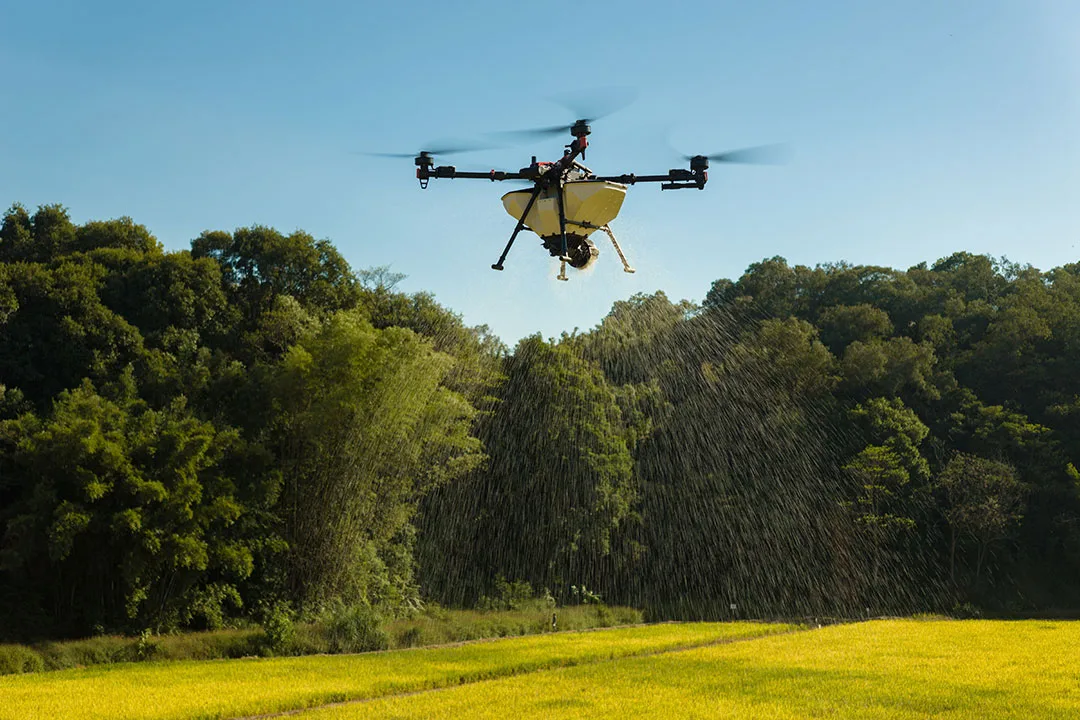
A XAG P150 Max Agricultural Drone executes a dry spreading mission. | Photo: xa.com
Dry spreading uses a hopper and a spinning disc to distribute solid materials. This is often called granular spreading. It is a rugged and efficient method used for:
- Granular fertilizers like urea or potash
- Cover crop seeds broadcast into standing crops
- Granular herbicides or soil amendments
- Pelleted lime for hard-to-reach areas
The Big Benefit: Dry spreading allows you to apply heavy materials in fields where ground equipment might get stuck or damage the soil.
Quick Comparison
| Feature | Wet Spraying | Dry Spreading |
|---|---|---|
| Best For | Liquid fungicides and herbicides | Fertilizer granules and seeds |
| Precision | Extremely high (leaf-level) | High (adjustable patterns) |
| Weather | Requires calm winds | Handles moderate wind well |
| Drift Risk | Moderate (depends on nozzles) | Low (gravity-based) |
| Refill Frequency | Higher (smaller tanks) | Lower (larger hoppers) |
Which Method Fits Your Input?
Fungicides
Fungicides are almost always applied as a liquid spray. Timing is everything here. Liquid drones can target specific growth stages such as flag leaf in wheat or pod fill in soybeans. The drone’s downwash helps the product reach the lower parts of the plant where mold and fungi often start.
Herbicides
Most herbicides are liquids that need uniform contact with weeds or the soil. Wet spraying is the standard choice. While some granular herbicides exist, they are less common and require very specific label instructions for drone use.
Fertilizers
This category depends on your goal. If you are using foliar nutrition for a quick boost, wet spraying is effective. If you are applying bulk nutrients like urea or potash, dry spreading is the way to go. Dry spreading is a favorite for mid-season topdressing when the ground is too wet for tractors.
Seeding
Dry spreading is the only practical way to plant cover crops via drone. It allows you to broadcast seeds into standing corn or soybeans before harvest. Common seeds include cereal rye, clover, and radish.
Crop Compatibility
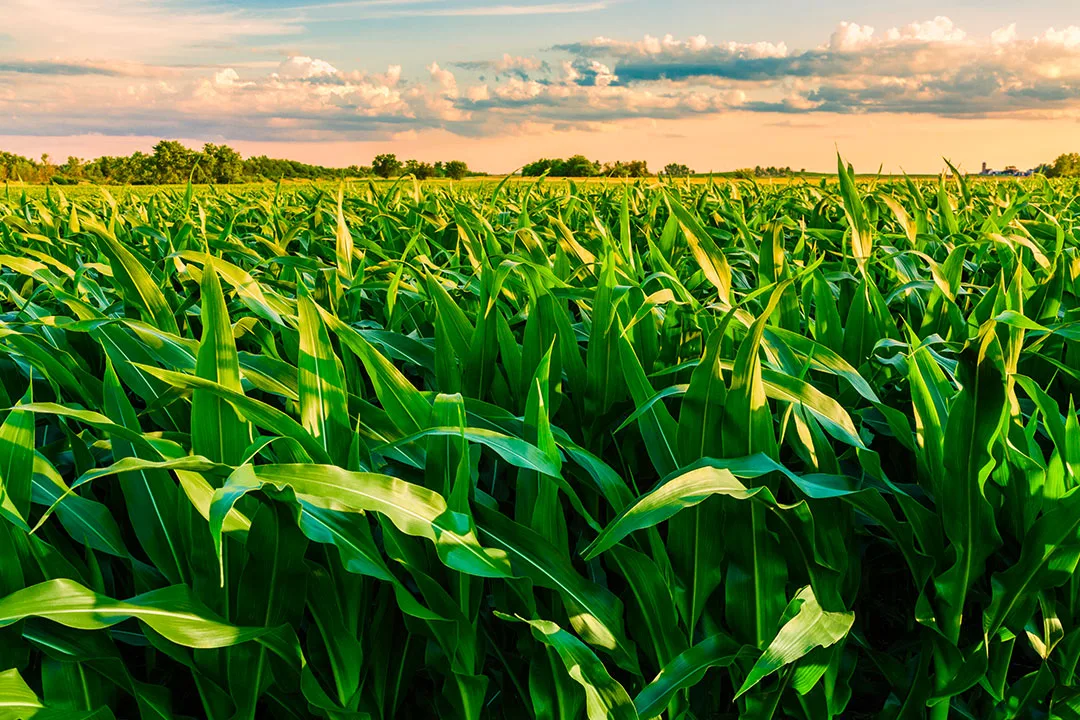
cornfield at sunset
| Crop | Wet Spray Fit | Dry Spread Fit | Common Use Case |
|---|---|---|---|
| Corn | Excellent | Good | Spray fungicides; spread early fertilizer |
| Soybeans | Excellent | Moderate | Foliar fungicide at the R3 stage |
| Wheat | Excellent | Good | Fungicides at flag leaf; nitrogen topdress |
| Pasture | Good | Excellent | Spreading lime or overseeding clover |
| Vegetables | Excellent | Low | High-precision liquid nutrition |
Weather and Timing
Wet spraying requires more patience with the weather. High winds or extreme heat can cause the liquid to drift or evaporate too quickly. Most labels require winds to be below 10 mph. Dry spreading is much more forgiving. Because granules are heavier, they fall straight to the ground even in a moderate breeze.
Regarding speed, dry spreading often covers more acres per hour. This is because the hoppers hold more weight and the drones do not have to stop for refills as often as liquid sprayers do.
How Fair Lifts Can Help

Fair Lifts Unmanned Aerial Services team on site.
Direct Agricultural Drone Services from Fair Lifts
Fair Lifts provides comprehensive, in-house drone solutions for modern growers. We manage every aspect of the mission, from flight planning to the final application in your field.
Whether you need a precision spray for a disease outbreak or a heavy spread for cover crops, our dedicated teams are equipped for the job. You work directly with our experts who understand your specific crop and local conditions to ensure every flight delivers results.
Ready to protect your yield?
Contact Fair Lifts today for a custom quote. Tell us your crop type and your goals, and our professional crews will handle the rest.