
Invasive species in agriculture are a growing concern, threatening crop yields, soil health, and overall farm productivity. Among the most destructive are Cogongrass, Old World Climbing Fern (Lygodium microphyllum), Kudzu, Asian Citrus Psyllid, and Palmer Amaranth. Understanding their impact and leveraging innovative solutions, such as drone technology, is essential for sustainable agriculture.
1. Cogongrass (Imperata cylindrica)
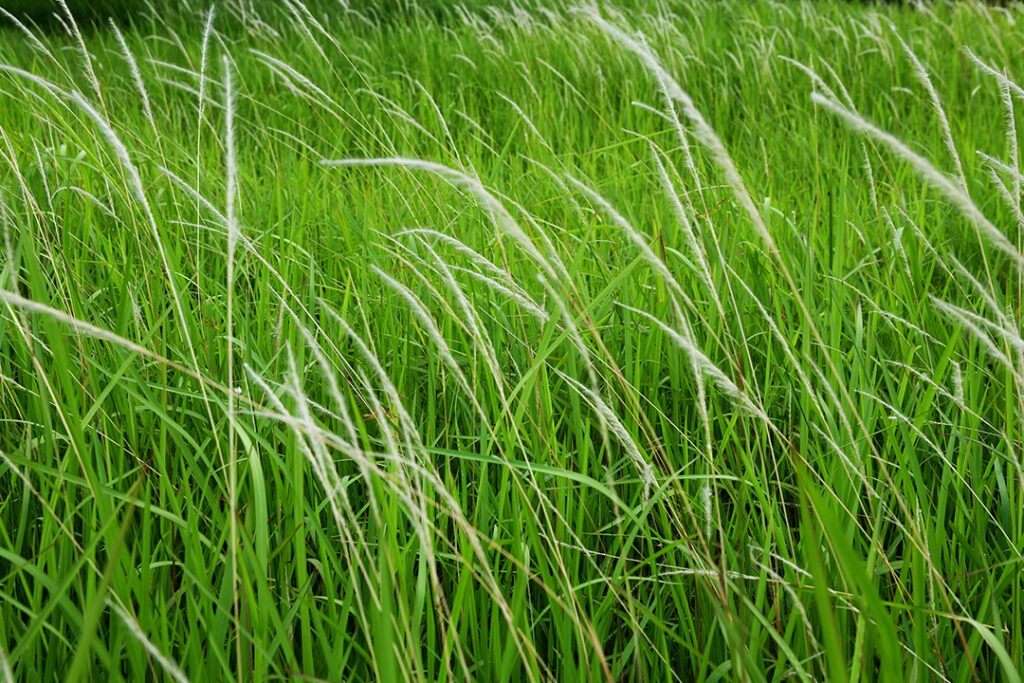
Cogongrass Invasive Species
Native to Southeast Asia, Cogongrass is a perennial grass that has become one of the most invasive species in the southeastern United States. It spreads rapidly through seeds and rhizomes, forming dense mats that outcompete native vegetation and hinder forest regeneration.
Impact on Agriculture
- Displaces native plants, reducing biodiversity.
- Creates fire hazards due to its high flammability.
- Interferes with tree plantations and pastures, leading to economic losses.
Geographical Distribution
Primarily found in Alabama, Mississippi, Georgia, and Florida, Cogongrass continues to expand its range, threatening new areas annually.
Management Strategies
Traditional methods include mechanical removal and herbicide application, though these can be labor-intensive and environmentally harmful.
2. Old World Climbing Fern (Lygodium microphyllum)
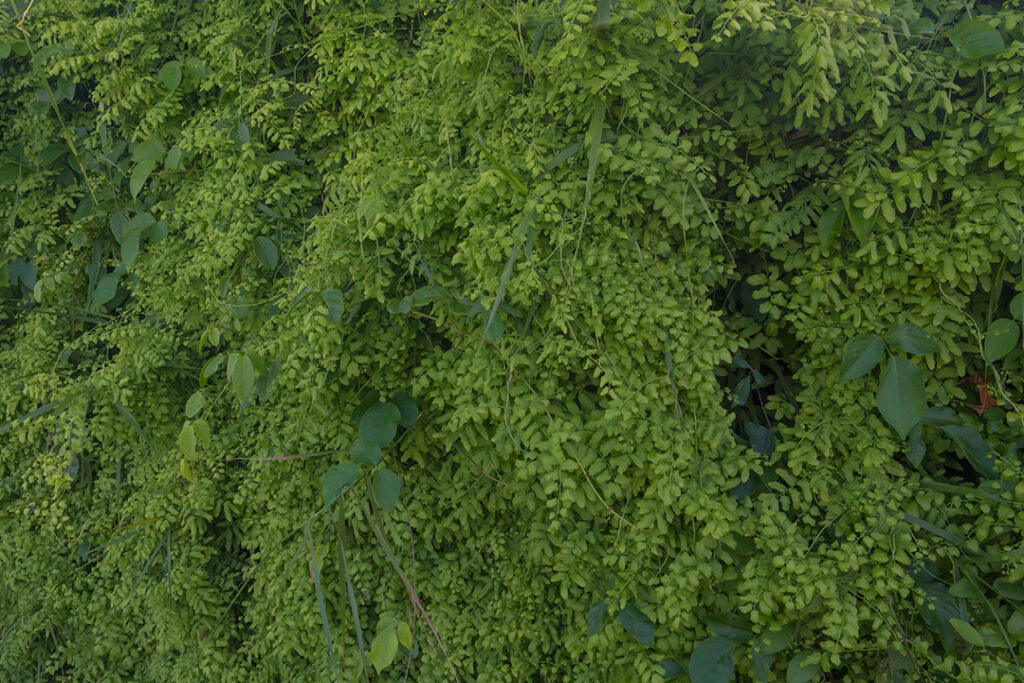
Lygodium Vines
Originating from Africa, Asia, and Australia, Old World Climbing Fern is an aggressive vine that invades wetlands and upland habitats in the southeastern United States.
Impact on Agriculture
- Smothers native plants and trees, leading to habitat loss.
- Increases fire risk by creating fire ladders that carry flames into tree canopies.
- Complicates land management and restoration efforts.
Geographical Distribution
Established in Florida and spreading into neighboring states, this fern poses a significant threat to native ecosystems and agriculture.
Management Strategies
Control methods include manual removal and herbicide treatments, often requiring repeated efforts due to the fern’s resilience.
3. Kudzu (Pueraria montana)

Kudzu Vines
Introduced from Asia in the late 19th century, Kudzu is a fast-growing vine that has earned the nickname “the vine that ate the South.”
Impact on Agriculture
- Overwhelms crops, pastures, and forests by rapidly covering them.
- Damages infrastructure by engulfing buildings and power lines.
- Reduces land value and usability.
Geographical Distribution
Widespread across the southeastern United States, Kudzu continues to spread northward and westward.
Management Strategies
Control requires persistent efforts, including grazing, mowing, and herbicide application.
4. Asian Citrus Psyllid (Diaphorina citri)
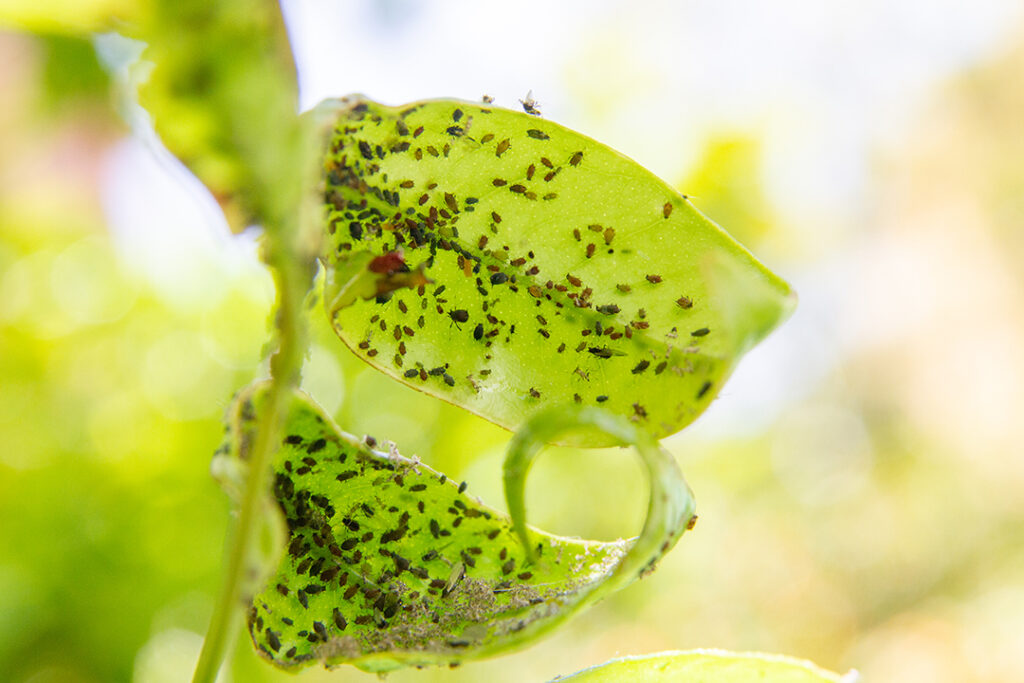
Asian Citrus Psyllid
This small insect native to Asia is a vector for Huanglongbing (HLB), also known as citrus greening disease, which devastates citrus crops.
Impact on Agriculture
- Transmits HLB, leading to reduced fruit quality and tree death.
- Causes significant economic losses in the citrus industry.
- Necessitates increased pesticide use, impacting the environment.
Geographical Distribution
Found in citrus-growing regions of the United States, including Florida, Texas, and California.
Management Strategies
Management includes biological control agents, chemical treatments, and removal of infected trees.
5. Palmer Amaranth (Amaranthus palmeri)
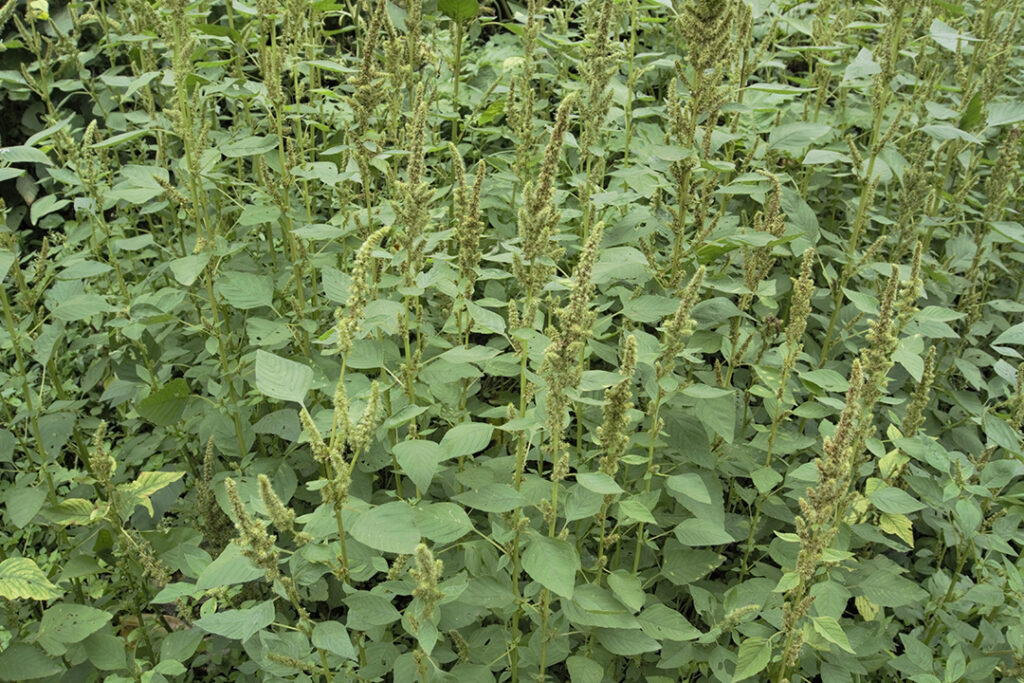
Palmer Amaranth
Palmer Amaranth, commonly referred to as Palmer Pigweed, is an extremely aggressive weed that poses a significant threat to agriculture. Known for its ability to develop resistance to multiple herbicides, including glyphosate, this invasive plant spreads rapidly, outcompeting crops for essential resources like nutrients, water, and sunlight.
Impact on Agriculture
- Competes aggressively with major crops such as corn, cotton, and soybeans, leading to substantial yield losses.
- Exhibits resistance to many herbicides, rendering traditional chemical control methods ineffective in numerous regions.
- Produces an astonishing 500,000 seeds per plant, facilitating its rapid and widespread proliferation.
Geographical Distribution
Originally native to the southwestern United States, Palmer Amaranth has expanded its range across the Midwest, Southeast, and other regions, becoming a critical challenge for farmers nationwide.
Management Strategies
Given its herbicide resistance, effective management requires a multifaceted approach. Strategies include mechanical removal, implementing crop rotation practices, and using cover crops to suppress its growth and prevent further spread.
The Role of Drones in Managing Invasive Species
Advancements in drone technology have revolutionized the monitoring and management of invasive species in agriculture. Drones offer efficient, cost-effective, and precise methods for detection and control.
Early Detection and Monitoring
Drones equipped with high-resolution cameras and multispectral sensors can swiftly survey large areas, identifying invasive species infestations early. For instance, researchers have utilized drones to detect oak wilt in Minnesota forests, enabling prompt intervention.
Precision Treatment Applications
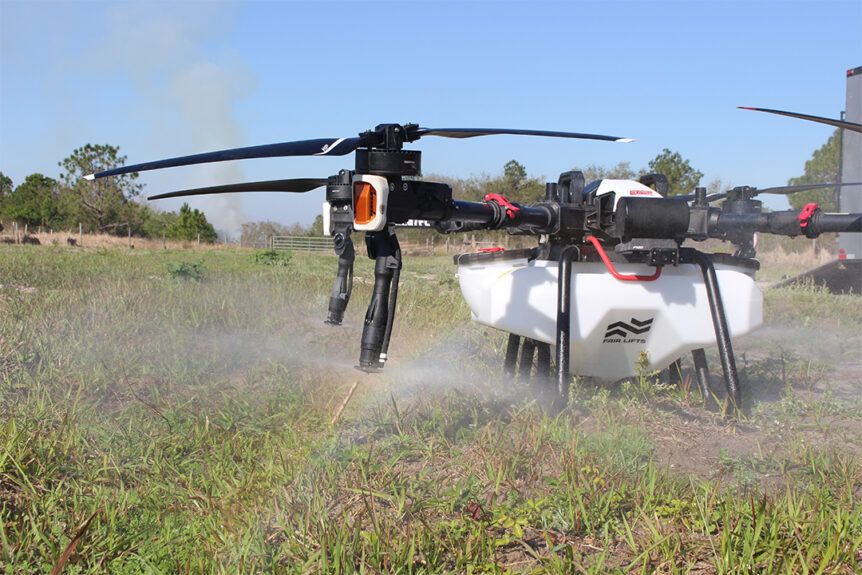
Drones can apply herbicides or biological agents directly to affected areas, minimizing damage to surrounding vegetation and reducing chemical usage. This targeted approach is particularly useful in managing invasive plants like Cogongrass and Lygodium vines.
Advantages of Drone Technology
- Access to hard-to-reach or hazardous areas without endangering personnel.
- Reduced labor costs and time compared to traditional methods.
- Enhanced data collection for informed decision-making and monitoring.
Fair Lifts: Providing Agricultural Drone Services
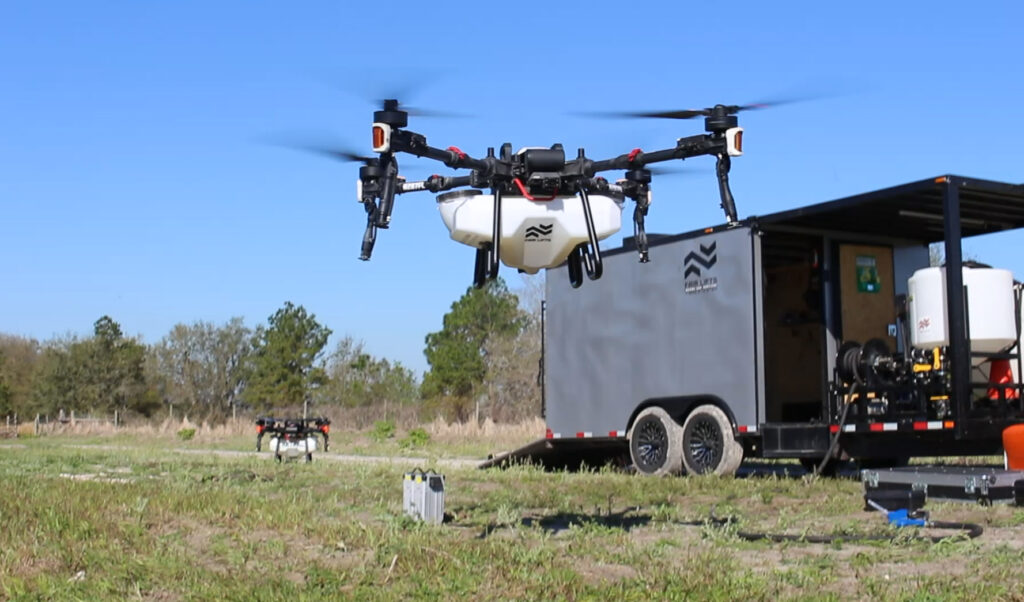
A Fair Lifts XAG-P100 Pro HP Drone Taking Flight to spray against invasive species
To effectively address the challenges posed by invasive species, partnering with experienced service providers is essential. Fair Lifts offers comprehensive agricultural drone services tailored to the specific needs of farmers and land managers.
Our Services Include:
- Surveying and Mapping: Utilizing advanced drone technology to detect and map invasive species infestations accurately.
- Targeted Treatment: Implementing precise herbicide or biological agent applications to control invasive species while preserving native vegetation.
- Monitoring and Reporting: Providing detailed reports and ongoing monitoring to assess treatment effectiveness and prevent reinfestation.
With the rise of invasive species in agriculture, innovative solutions are required to combat their spread effectively. Drones offer a modern approach that enhances efficiency, reduces costs, and improves environmental sustainability. Fair Lifts is committed to helping landowners and farmers tackle invasive species challenges through cutting-edge agricultural drone services.
For more information on how Fair Lifts can assist with invasive species management, contact our UAV team at 1-800-318-8940.