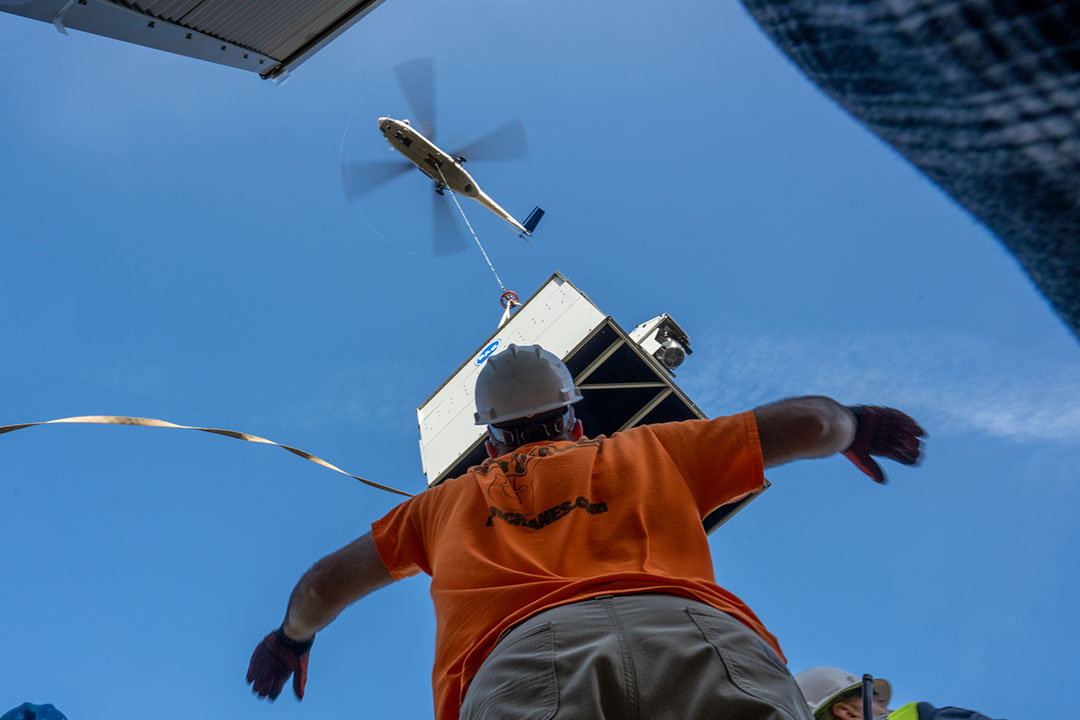
How much weight can a helicopter lift?
Helicopters play a crucial role in construction, infrastructure development, and heavy-lift logistics. Their ability to transport large or oversized materials directly to hard-to-reach areas makes them an invaluable alternative to traditional ground-based equipment. By reducing the need for access roads and minimizing ground disturbance, helicopter lifts can save both time and money while lowering a project’s overall environmental impact.
Understanding a helicopter’s lift capability is key to planning a successful aerial operation. The amount of weight a helicopter can carry depends on several factors, including the model, engine power, altitude, and weather conditions. Skilled pilots and experienced ground crews work together to manage sling loads safely and position materials with precision, often placing them exactly where cranes or other machinery cannot reach.
For many projects, helicopter lifts handle loads that weigh several tons. The exact capacity for a single lift, however, varies by aircraft type and mission requirements. From lightweight models used for smaller installations to heavy-lift helicopters capable of moving large equipment or building materials, each aircraft is chosen based on the specific needs of the job.


How Helicopter Lift Capacity Is Determined
The amount of weight a helicopter can lift depends on several key factors, including the aircraft’s design, engine power, fuel capacity, and mission type. When you contact a helicopter coordination service such as Fair Lifts, your project requirements are carefully reviewed to determine the most suitable aircraft for the job. Factors like the size and weight of the load, flight distance, altitude, and operating environment all play an important role in selecting the right helicopter.
Each lift operation is unique. Some projects require single-engine aircraft for short, point-to-point transfers, while others demand twin-engine helicopters capable of flying extended distances with heavy payloads. The type of material being lifted also matters. Helicopters may be used to transport construction supplies such as bricks, concrete, or steel beams, deliver machinery and vehicles to remote job sites, or assist in specialized tasks such as placing structural components or supporting infrastructure projects.
Because of these variables, there is no single answer to how much weight a helicopter can lift. Each mission is assessed individually to ensure the selected aircraft provides the right balance of power, range, and safety for the specific operation.
Heavy-Lift Helicopters and Their Capabilities

MIL V-12

MIL MI-26

MIL MI-10

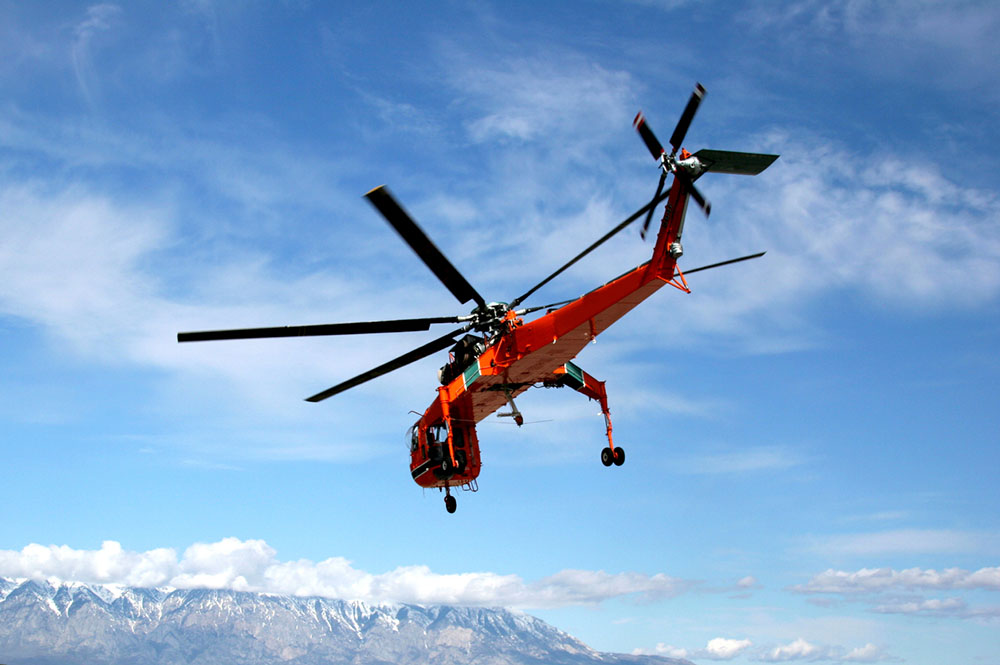
Sikorsky CH-54B Tarhe (Skycrane)

CH-53E SUPER STALLION
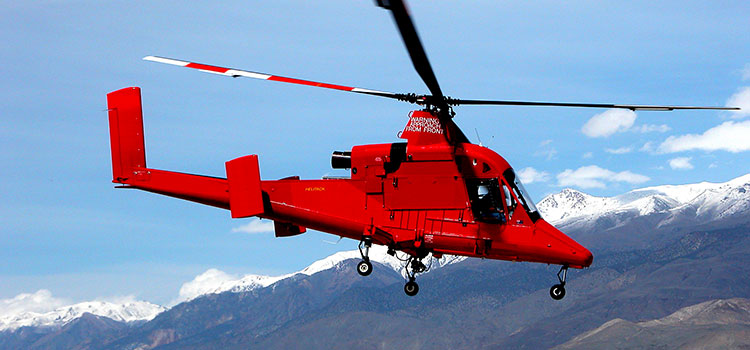
Kaman K-MAX
The Kaman K-MAX is a single-engine heavy-lift helicopter designed specifically for precision external load operations. Its unique intermeshing rotor system provides exceptional stability and eliminates the need for a tail rotor. Powered by a Honeywell T53-17A turboshaft engine producing 1,800 shaft horsepower, the K-MAX can lift payloads of up to 6,000 pounds, reach speeds of 100 knots, and operate within a range of approximately 267 nautical miles. Its efficiency and control make it ideal for construction, logging, firefighting, and remote cargo transport.


Reliable Heavy-Lift Helicopter Services
While some of the world’s largest helicopters are reserved for military or specialized use, many powerful heavy-lift aircraft are actively operating in civilian and commercial sectors every day. These helicopters support a wide range of industries, including construction, energy, infrastructure, and logistics, where reliable aerial transport is essential.
Fair Lifts coordinates access to dependable heavy-lift helicopter services for projects of all sizes. Whether you need to transport large equipment, deliver building materials, or perform precision placement operations, our team will match you with the right aircraft and experienced operator for the job.
Call 1-800-318-8940 to speak with a Fair Lifts representative about your project. Our agents are available around the clock to discuss your requirements and arrange the best aerial lift solution to ensure your project’s success.
Heavy-Lift Helicopter News and Articles
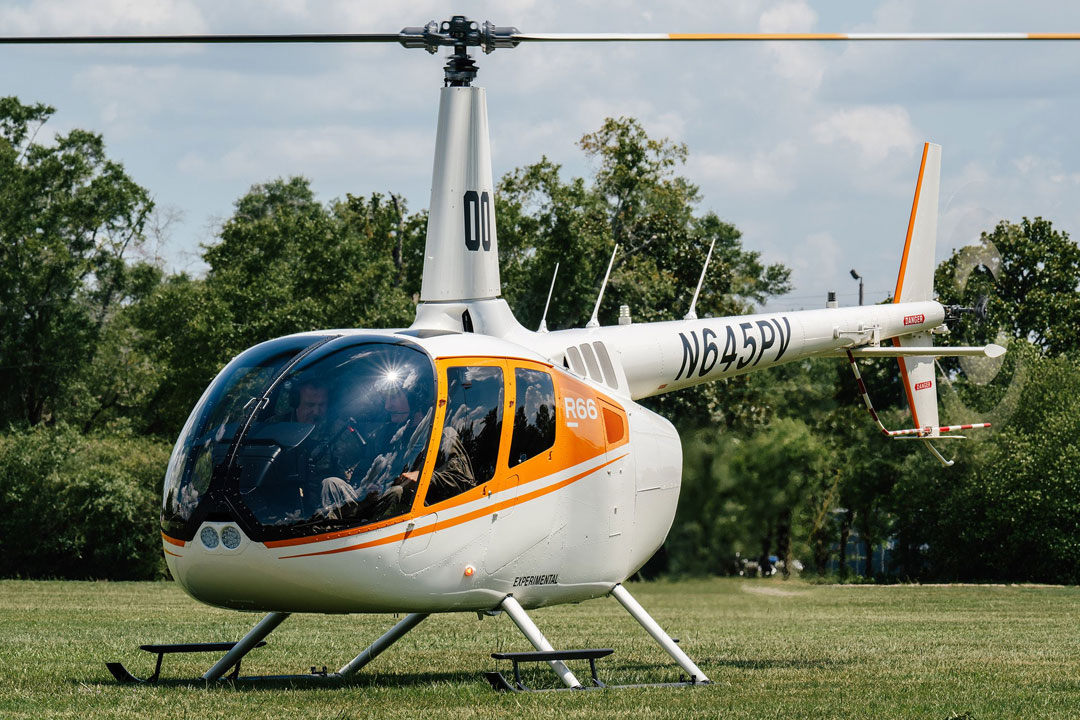
Robinson R66 Turbine: Specifications, Performance, and Cabin Dimensions
Next Edge Networks Selects Fair Lifts for Helicopter Telecom Tower Installation in Alabama
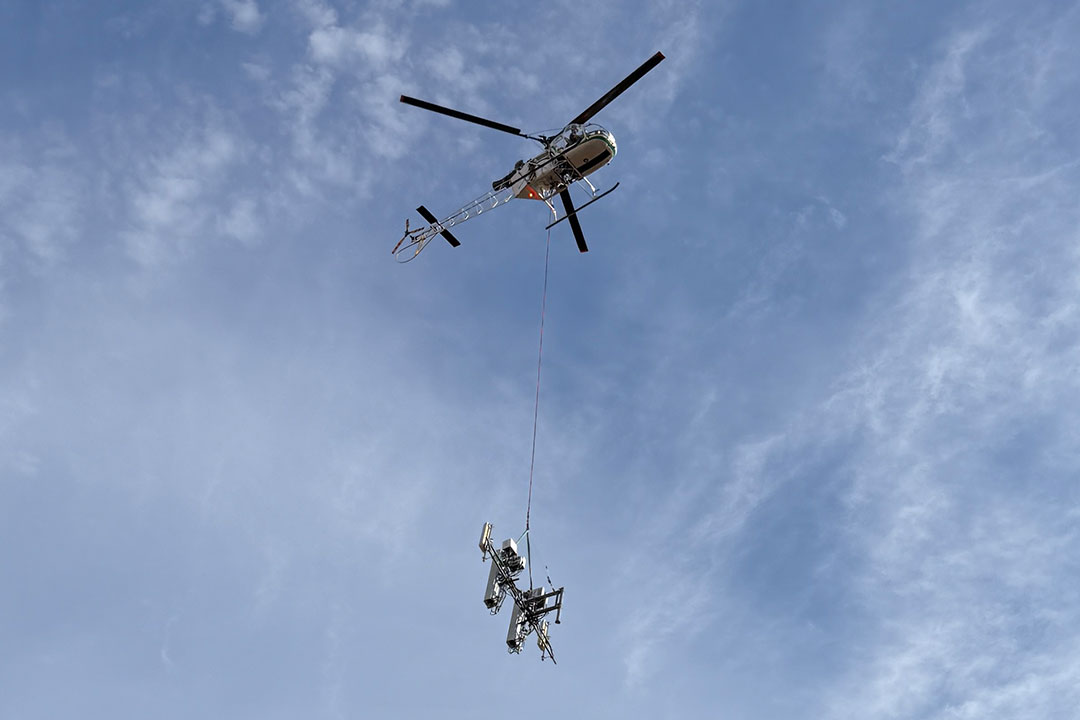
The Top 10 Heavy Lift Helicopters for 2026
Helicopter Crane Operations in Modern Construction