Strategic Herbicide Application to Protect Regenerating Forests
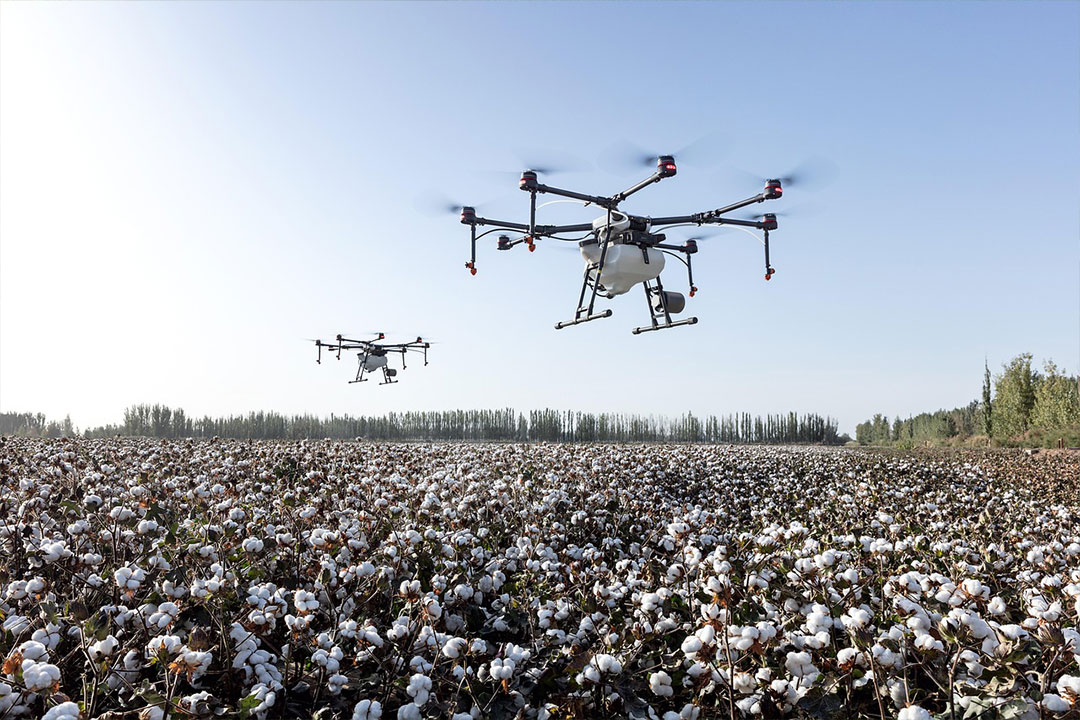
Effective herbicide use in clear-cut environments demands more than just the right chemical—it requires strategic timing, terrain awareness, and delivery precision. In post-harvest landscapes where uneven ground, mixed soil types, and rapidly spreading invasive species pose unique challenges, aerial herbicide application by drone offers an unmatched solution.
Unlike traditional methods, drones can safely and efficiently navigate steep slopes, stumps, and soft ground—delivering herbicides exactly where they’re needed without disturbing sensitive regeneration zones. However, environmental conditions still play a critical role. Wind increases the risk of drift, and rainfall can reduce treatment effectiveness, making calm, dry weather windows ideal for deployment.
Soil type also influences herbicide behavior. Sandy soils may allow for quicker leaching, while clay-rich substrates retain chemicals longer. Drones, when paired with high-resolution mapping, allow us to adjust application rates accordingly—ensuring effective coverage and minimizing environmental risk.
Optimal results are achieved when herbicides are applied to young, actively growing vegetation, typically in spring or late summer. For certain light-sensitive formulas, early morning or late afternoon applications further improve absorption and efficacy.
Post-application monitoring is essential. Drone-based spot treatments and follow-up assessments help suppress regrowth, keep invasive plants at bay, and support the long-term success of reforestation efforts. With the right approach, aerial herbicide application doesn’t just control vegetation—it actively accelerates healthy forest recovery.
At Fair Lifts Unmanned Aerial Services, we deliver this precision every day. Backed by $5,000,000 in aircraft liability insurance, a dedicated team of project managers, and advanced drone technology, we ensure each herbicide operation is executed safely, efficiently, and in full alignment with your forestry goals. Our commitment to trust, transparency, and technical excellence makes us a valued partner in sustainable vegetation management for clear-cut restoration.
Choosing the Right Herbicide for Clear-Cuts

the role of different herbicide types is key to achieving long-term vegetation control.
Effective herbicide application in clear-cut forestry sites begins with choosing the right product for the job. The goal isn’t simply to eliminate unwanted vegetation—it’s to do so with maximum efficiency, minimal environmental impact, and long-term forest regeneration in mind. In these environments, the herbicide selection process must take into account the species present, the desired outcome (natural regrowth vs. replanting), and site-specific factors like soil type and moisture levels.
Whether the objective is to clear an area for replanting or to control aggressive regrowth while encouraging the return of native species, understanding the role of different herbicide types is key to achieving long-term vegetation control.
• Nonselective Herbicides: These broad-spectrum herbicides are often used in clear-cuts where the goal is total vegetation suppression ahead of reforestation. Products like glyphosate and imazapyr are commonly chosen for their ability to eliminate grasses, brush, and invasive hardwood sprouts in a single application. However, due to their potency, they must be applied with care—especially near buffer zones, water sources, or remaining seed trees.
• Selective Herbicides: For sites where some vegetation is to be preserved—such as natural regeneration of conifers or desirable understory species—selective herbicides offer a precise solution. These formulations target specific plant types (e.g., broadleaf species or deciduous regrowth) while leaving others unaffected. This makes them ideal for managing competition without setting back forest succession goals.
• Preemergence Herbicides: In forestry clear-cuts prone to early-stage weed invasions, preemergence herbicides provide a proactive defense. Applied before germination, they prevent seeds from establishing, giving replanted or naturally regenerating tree species a competitive edge. Timing is critical—applications must be made shortly before rainfall to activate the product without losing it to runoff or degradation.
• Postemergence Herbicides: Used to target regrowth after vegetation has already emerged, postemergence herbicides are essential tools during the first year or two following a clear-cut. These treatments are especially effective when paired with drone-based spot spraying, allowing for focused elimination of unwanted species while conserving surrounding groundcover or seedlings. For best results, applications should be made when target plants are young and actively growing.
By aligning herbicide type with the specific vegetation dynamics of a clear-cut site, land managers can promote faster canopy closure, reduce erosion risks, and pave the way for successful reforestation. Combined with drone-based mapping and application, herbicide use becomes not only more effective—but smarter, safer, and more sustainable.

Drones in Clear-Cut Herbicide Application: Precision Forestry at Work
Drones are transforming herbicide application in modern forestry, especially in clear-cut environments where terrain is often rugged and remote. These areas demand precision tools that can navigate difficult landscapes, limit disruption, and deliver efficient vegetation control. Drones meet these needs with speed, safety, and sustainability.
A key advantage is terrain accessibility. Where steep slopes, stumps, and soft ground hinder traditional equipment, drones excel. They provide consistent coverage across uneven landscapes without compacting soil or disturbing regenerating plants.
Drones also enable pinpoint targeting. With GPS-guided flight paths and high-resolution mapping, they spray only where needed—reducing herbicide use, protecting young trees, and cutting operational costs. Their electric power systems further reduce noise and emissions, supporting sustainable forestry goals.
Real-time data collection and post-flight analytics allow for precise coverage assessment and adaptive planning. As forestry evolves, drone-based herbicide application offers a smarter, more environmentally responsible path to effective regrowth and long-term land management.

Data-Driven Vegetation
Control
Every clear-cut site presents unique challenges—terrain variability, soil types, and species composition all affect how herbicides should be applied. That’s why Fair Lifts uses high-resolution aerial imaging and precision GPS flight planning to map treatment zones with exacting detail. Our RTK-enabled drones ensure pinpoint accuracy, delivering herbicides only where needed—maximizing coverage while minimizing drift, waste, and environmental risk.
After each operation, we provide follow-up evaluations and drone-collected data to help monitor regrowth, assess treatment efficacy, and inform future application strategies.

Fully Mobile Forestry Operations
Our mobile response units are fully outfitted for rapid deployment in remote or rugged clear-cut areas. Each unit is equipped to operate independently in field conditions and includes:
- On-site power generation
- Long-range data uplinks and remote monitoring
- Herbicide mixing and drone charging stations
- Real-time support tools for dynamic mission adjustments
There's no need for landowners to manage logistics or transport equipment—we bring full-service aerial herbicide application directly to your forestry site.

Trusted by Forestry Professionals
Fair Lifts leads the industry in professional aerial herbicide operations. Our flight teams hold FAA Part 107 and Part 137 certifications, operate under FAA Exemption 44807 for large-capacity drone missions, and maintain full agricultural licensing for herbicide use in forested environments.
Every mission is backed by:
- $5,000,000 in aircraft liability insurance
- Certified pilots and licensed applicators
- Comprehensive project coordination and compliance reporting
- Transparent adherence to federal and state forestry regulations

A Drone Fleet Engineered for Forestry Results
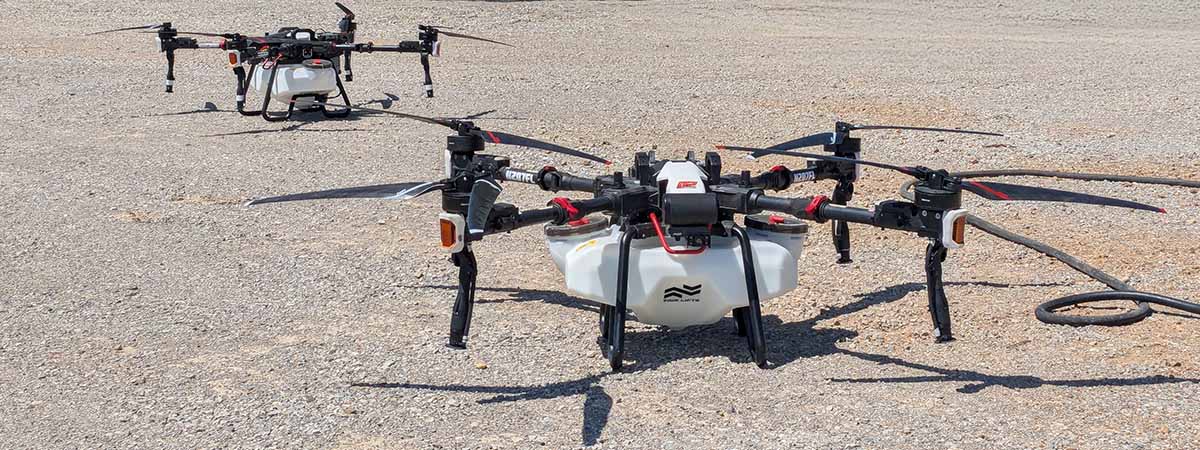
In post-harvest forestry, precision and adaptability are critical. Our drone fleet is purpose-built for herbicide application in clear-cut zones—engineered to handle rugged terrain, deliver uniform spray coverage, and significantly reduce the time and labor demands of traditional vegetation control. With terrain-following flight, steep-slope agility, and long-range efficiency, our aerial platforms outperform ground crews in even the most challenging environments.
Equipped with industry-leading payloads, stabilized spraying systems, and RTK-guided flight planning, our drones deliver herbicides with pinpoint accuracy—minimizing drift, reducing waste, and safeguarding regenerating areas. Integrated multispectral imaging and real-time mapping provide actionable insights that support smarter, more sustainable forest management. This isn’t just a fleet—it’s a forestry solution built for results.

XAG P100 Pro HP
A robust and agile platform built for rugged terrain, the XAG P100 Pro HP features a stabilized spraying system and long flight endurance—perfect for precision herbicide application in irregular or sloped clear-cut areas.
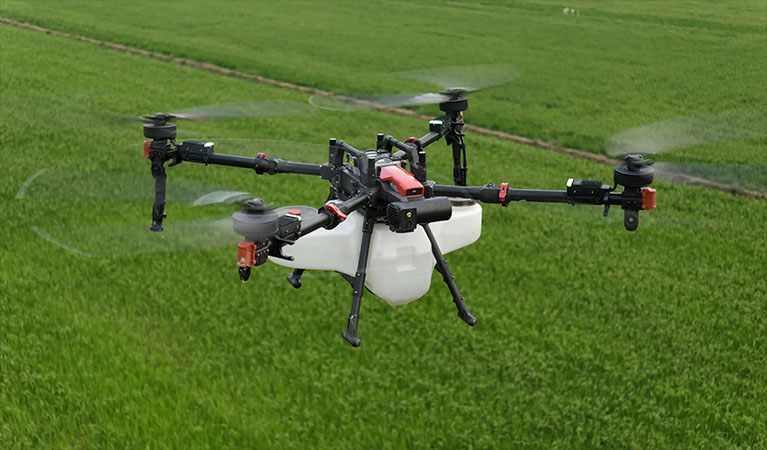
XAG P150
With unmatched payload capacity and power, the XAG P150 is ideal for high-volume, fast-coverage missions. It tackles larger clear-cuts with ease, reducing application time without compromising accuracy.
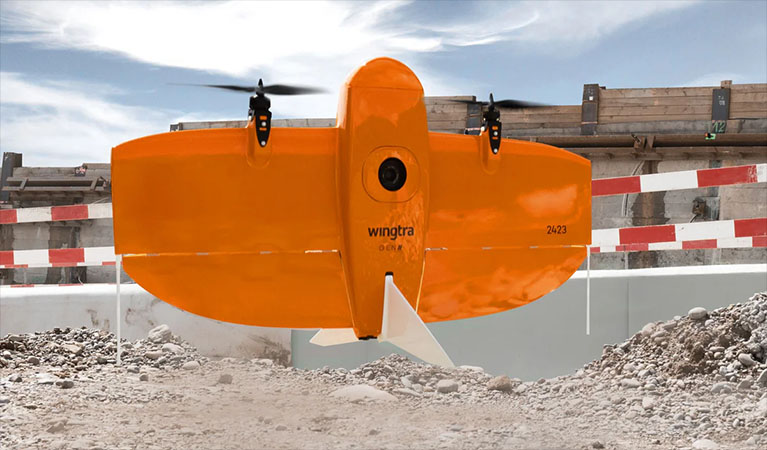
WingtraOne Gen II
Our fixed-wing mapping solution, the WingtraOne Gen II, supports pre-treatment assessments and post-application monitoring. Its high-resolution terrain models help optimize spray paths and track regeneration progress over time.
Managing Invasive Species in Clear-Cut Areas
Following timber harvests, clear-cut areas often become hotbeds for invasive plant species. These fast-growing, aggressive plants outcompete native seedlings, inhibit forest regeneration, and pose long-term ecological and economic threats. Successful restoration of clear-cut zones depends on proactive identification of these invaders and the use of precision management strategies, often involving carefully applied herbicide treatments tailored to the biology of each species.

Japanese Knotweed (Polygonum cuspidatum): Often appearing in disturbed soils, this bamboo-like perennial spreads aggressively via underground rhizomes. Knotweed can damage infrastructure and crowd out native regrowth. Targeted postemergence herbicide applications, repeated annually, are critical due to its persistence.

Oriental Bittersweet (Celastrus orbiculatus): This vine aggressively climbs over and chokes regenerating trees in clear-cut zones. Aerial drone spraying is particularly effective when paired with spring or fall systemic herbicides, before seed dispersal.

Glossy Buckthorn (Frangula alnus): This fast-growing shrub is particularly disruptive to wet or shaded clear-cut zones. It creates dense thickets that block light and delay native tree establishment. Basal bark herbicide treatments in the fall, when native plants are dormant, can effectively suppress regrowth.

Multiflora Rose (Rosa multiflora): Common in pasture-adjacent woodlands and clearings, this thorny, climbing shrub forms impenetrable thickets. Selective herbicides combined with cutting or grazing help reduce spread and facilitate natural reforestation.

Kudzu (Pueraria montana var. lobata): Nicknamed “the vine that ate the South,” kudzu rapidly blankets open clear-cuts, smothering native saplings and forest edges. Systemic herbicides combined with drone spot treatments and grazing rotations are among the most effective control strategies.

Norway Maple (Acer platanoides): An invasive canopy tree that can dominate forest regrowth if not controlled early. Seedlings and saplings often appear post-clear-cut and require early-stage herbicide spot treatment to prevent long-term establishment.

Mile-a-Minute Weed (Persicaria perfoliata): Fast-growing and vine-like, this plant is especially invasive along the edges of clear-cut forest zones. Aerial surveys paired with biological control (weevils) and postemergence herbicides can mitigate its impact.

Common Reed (Phragmites australis): A major threat in wetland-adjacent clear-cuts, this tall reed can dominate riparian zones. Drones offer a significant advantage by safely treating hard-to-reach stands using glyphosate-based formulations without harming sensitive habitats.

Leafy Spurge (Euphorbia esula): This toxic weed invades prairie woodlands and forest margins. Herbicide treatments are often combined with biological controls such as flea beetles, making timing and precision crucial.
| Species | Impact on Clear-Cuts | Preferred Control Method |
|---|---|---|
| Japanese Knotweed (Polygonum cuspidatum) |
Spreads via rhizomes, dominates disturbed soils, suppresses native regrowth | Systemic postemergence herbicide; annual drone-based spot treatments |
| Kudzu (Pueraria montana) |
Rapid vine growth smothers trees, power lines, and forest margins | Triclopyr or glyphosate; repeated applications via drone or controlled grazing |
| Glossy Buckthorn (Frangula alnus) |
Forms dense thickets; outcompetes young native trees and shrubs | Fall basal bark treatments using triclopyr or imazapyr |
| Multiflora Rose (Rosa multiflora) |
Creates impenetrable shrubs that limit native reforestation | Metsulfuron or glyphosate; combined with mechanical cutting |
| Oriental Bittersweet (Celastrus orbiculatus) |
Climbs and girdles young trees; spreads rapidly along clear-cut edges | Spring or fall systemic herbicide via drone or backpack sprayer |
| Norway Maple (Acer platanoides) |
Establishes dense canopy; suppresses regeneration of native hardwoods | Spot treatment of saplings with triclopyr or glyphosate |
| Mile-a-Minute Weed (Persicaria perfoliata) |
Rapidly overgrows clear-cut openings and forest edges | Herbicides paired with biological control (weevils) |
| Common Reed (Phragmites australis) |
Colonizes wetlands; displaces native wetland species | Late-season glyphosate application via drone; repeat as needed |
| Leafy Spurge (Euphorbia esula) |
Alters prairie woodland clearings; toxic to livestock | Picloram + 2,4-D; biological beetle control in select regions |
Control Invasive Regrowth and Restore Forest Balance with Fair Lifts
At Fair Lifts, we deliver turnkey herbicide application services specifically designed for clear-cut environments—combining precision drone technology with deep forestry expertise. Our mobile deployment teams are equipped with power supplies, chemical mixing stations, and rugged terrain support, enabling fast, efficient operations in even the most remote forested locations.
We utilize advanced tools like the Emlid Reach RS2+ to conduct high-accuracy RTK mapping, allowing for precise flight planning and herbicide delivery. This ensures targeted coverage that eliminates unwanted vegetation while protecting sensitive regeneration zones, buffers, or seed trees. Our precision-first approach reduces chemical usage, minimizes environmental disruption, and supports faster site recovery.
With one of the most capable drone fleets in the industry, we tailor every mission to the specific demands of your clear-cut site. Our drones are outfitted with large-capacity tanks, intelligent spray systems, and terrain-following capabilities—delivering consistent application even across uneven forest landscapes. By integrating real-time flight analytics and multispectral imaging, we provide a smarter, safer, and more sustainable herbicide application process.
We don’t just fly and spray—we follow through. Fair Lifts offers post-aerial herbicide application performance reviews, allowing us to fine-tune treatment strategies and support long-term vegetation control. Whether you're managing regrowth after timber harvest or preparing for site replanting, we’re your trusted partner in restoring forest balance.
Contact Fair Lifts today at 1-800-318-8940 to request a quote or schedule a site consultation. Let us help you take control of invasive species and accelerate reforestation—safely, efficiently, and with expert precision.
Drone News and Articles
Sheldon Farm Partners with Fair Lifts for High-Speed Dry Spreading Agricultural Drone Application
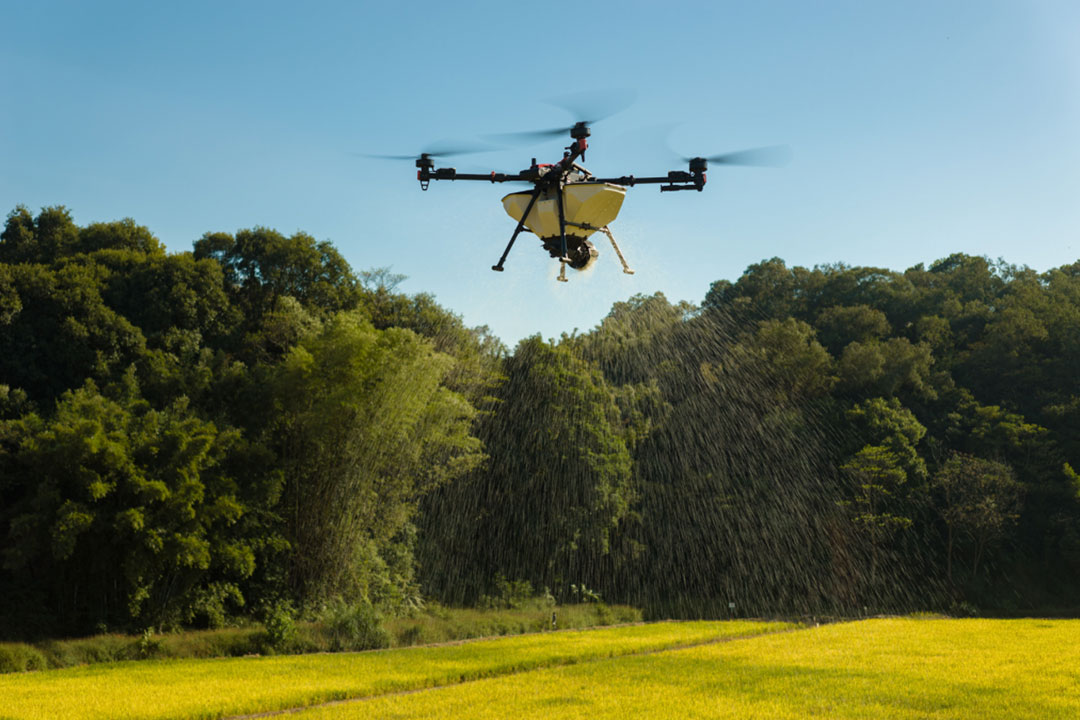
Wet Spraying vs. Dry Spreading: Which Ag Drone Application Method Is Right for Your Crop?
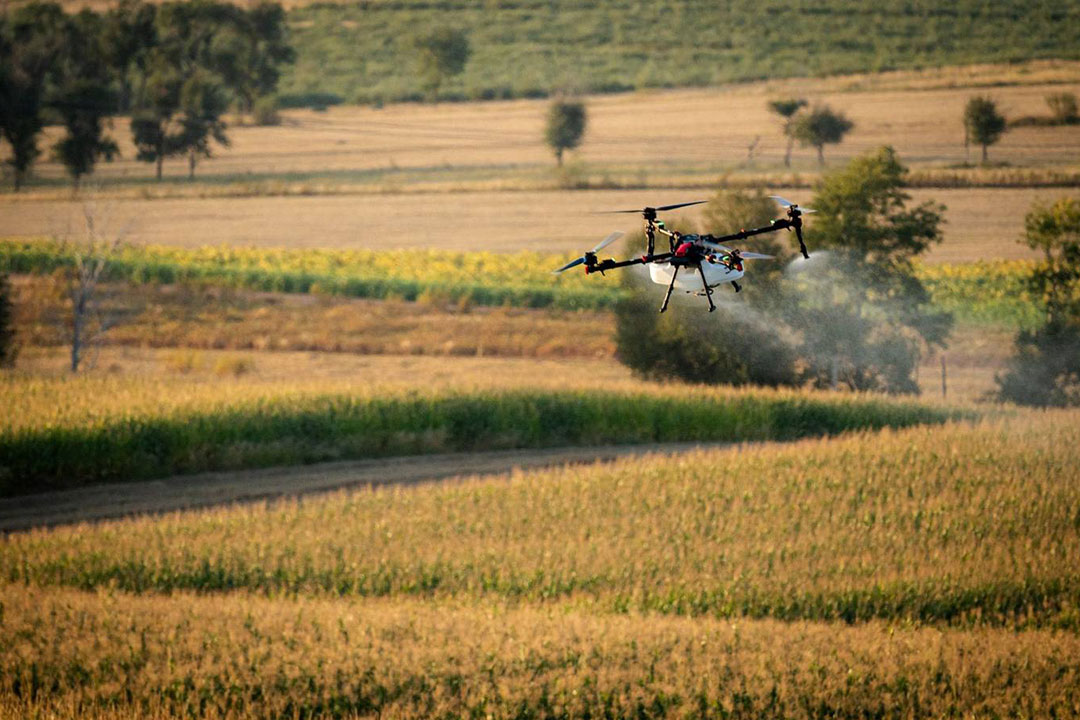
XAG P150 MAX Drone: High-Capacity Precision Agriculture Platform
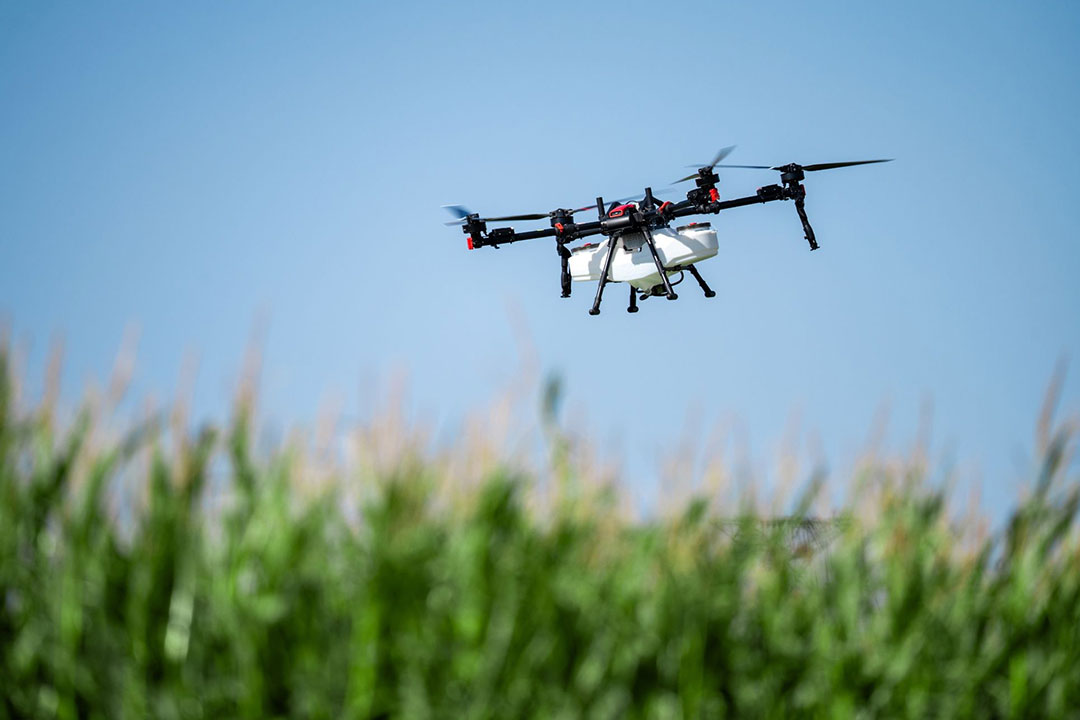
Agricultural Drones for Next Generation Farmers: Transforming Modern Agriculture