Sustainable Aerial Support
Protecting natural environments requires careful planning, responsible practices, and reliable aerial support. Fair Lifts provides helicopter services that help agencies, organizations, and private partners reduce risks, limit disruption, and operate efficiently in sensitive ecosystems. Every mission is approached with precision and a strong commitment to environmental stewardship.
From wildlife surveys and habitat monitoring to sustainable land management and remote-area access, our network delivers accurate, data-driven solutions. Fair Lifts helps clients complete critical work while minimizing ground disturbance and supporting long-term conservation goals. Our team ensures each project is completed safely, efficiently, and with full consideration for the landscapes involved.


Environmental Responsibilities of Helicopter Operations
The increased use of helicopters across public, commercial, and industrial sectors has placed greater attention on the environmental and community impacts associated with these aircraft. As aviation activity grows, two primary areas of concern continue to guide discussions about responsible helicopter operations.
The first focus involves noise and emissions. Communities located near heliports and active flight corridors often experience elevated noise levels, and traditional helicopter engines contribute to a notable carbon footprint. Greenhouse gases and related pollutants remain key factors in climate change. In response, manufacturers are advancing new engine technologies that reduce fuel consumption, improve efficiency, and operate more quietly. These developments support long-term goals for lower emissions and reduced disturbance.
The second area of concern relates to overall safety as helicopter traffic increases. Higher activity in urban and populated regions has led to heightened awareness of accident rates and flight-path congestion. Many cities have implemented stricter airspace guidelines, refined traffic patterns, and designated no-fly areas to protect both the public and flight crews. Manufacturers and regulatory groups continue to collaborate on solutions that address safety, community impact, and environmental responsibility as demand for helicopter services expands.
How Helicopter Manufacturers Are Moving Toward Greener Technology
As demand for helicopter services grows, manufacturers in Europe and North America continue to develop technologies that reduce environmental impact and improve long-term sustainability. Ongoing research and industry collaboration are driving advancements in efficiency, noise reduction, and cleaner engine performance.

European Innovation
Helicopter manufacturers across Europe are investing heavily in research that reduces both environmental impact and community disturbance. Programs supported by the Clean Sky Initiative continue to lead this effort. One of the most notable studies, the Green Rotorcraft Project, aims to significantly cut carbon dioxide emissions while lowering overall noise levels. Current targets include reducing emissions by 20 to 40 percent and decreasing operational noise by as much as half.
A major focus of this research is rotor efficiency. Improvements in blade design and rotation performance can increase lift, reduce fuel burn, and limit acoustic output. European manufacturers, including the team at Eurocopter, are developing advanced blade technologies that address the primary source of helicopter noise. These engineering efforts support cleaner, quieter, and more efficient flight solutions for a wide range of missions.
North American Advancements
Manufacturers in North America are also taking important steps toward sustainable helicopter technology. Companies such as Sikorsky Aircraft Corporation continue to collaborate with industry partners to refine aircraft design and improve environmental performance. While the region adopted green aviation initiatives later than Europe, progress has accelerated in recent years.
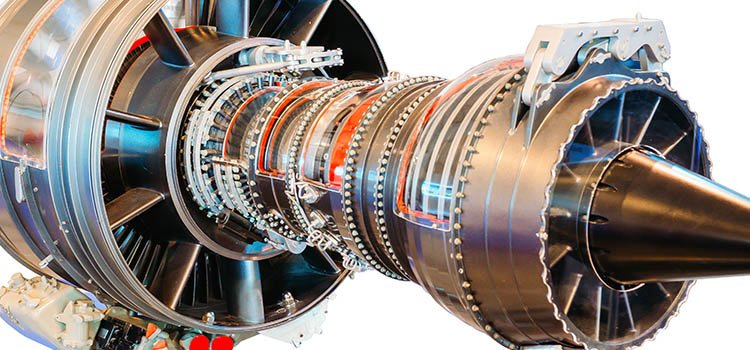
Organizations like the Aviation Green Alliance fund ongoing research aimed at lowering emissions and promoting long-term sustainability. Recent developments include Pratt and Whitney’s PW210 engine, designed to deliver improved efficiency and reduced fuel consumption. Sikorsky and other North American manufacturers are actively exploring new configurations and technologies that address noise, fuel use, and safety as helicopters expand into more industries and specialized applications.


Committed to Going Green
Fair Lifts is dedicated to supporting environmentally responsible aviation. We partner only with helicopter operators who share a commitment to reducing emissions, improving efficiency, and adopting sustainable practices whenever possible. These partnerships ensure that every mission prioritizes safety, reliability, and environmental stewardship.
Ongoing advancements in engine technology, rotor design, and fuel efficiency continue to make helicopter operations more sustainable. As research expands and new solutions enter the industry, Fair Lifts remains focused on working with affiliates who contribute to a cleaner and more responsible future for aerial services.
Environmental Initiatives in Focus
Stay informed with the latest developments shaping environmentally responsible helicopter operations. Fair Lifts highlights advancements in cleaner engine technology, improved fuel efficiency, and sustainable aviation practices that support long-term environmental stewardship. From evolving rotorcraft designs to new research initiatives and industrywide collaborations, these updates showcase how the helicopter community is working to reduce emissions, limit noise, and protect sensitive ecosystems while maintaining safe and reliable service.
Pesticide Applicators Limiting Off-Target Exposure: A Comprehensive Guide

Sports Field Helicopter Drying Services: Revolutionizing Game Day Preparations
A Mission to Protect Nevada’s Natural Treasures: Fair Lifts Joins S&B Christ Consulting

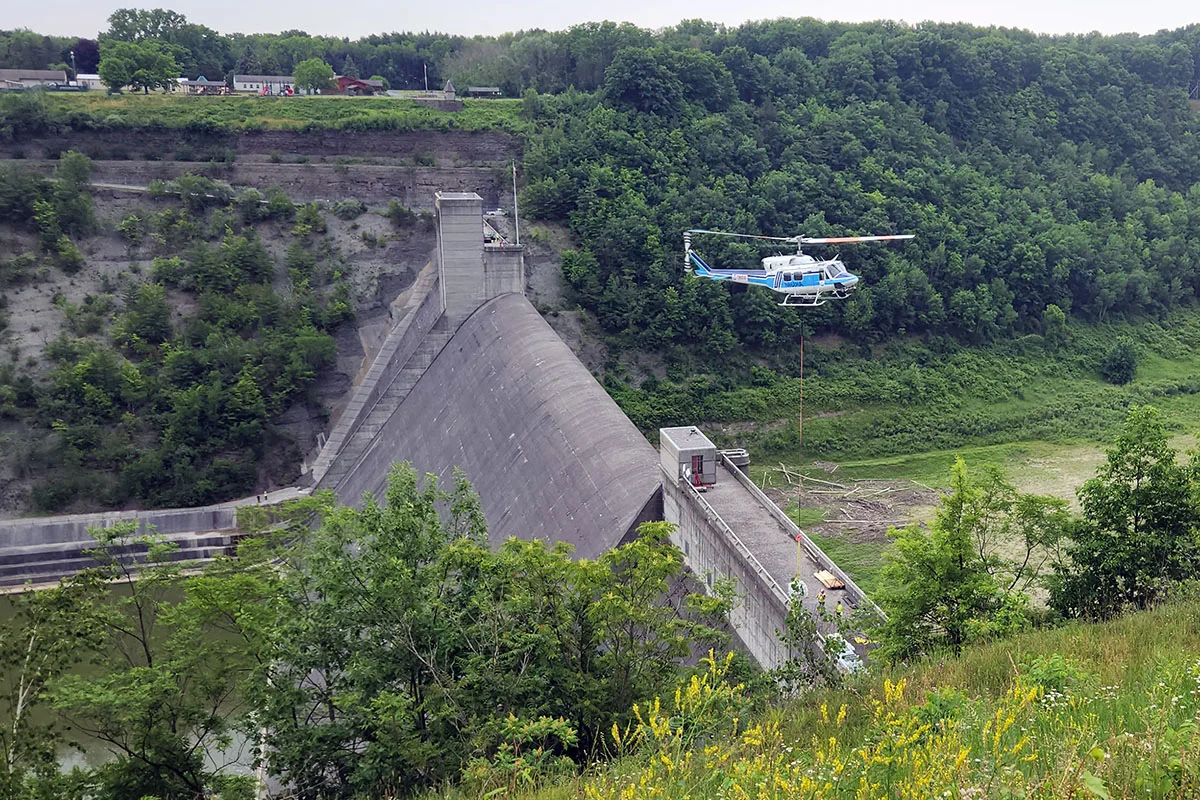
Overcoming Access Challenges: Fair Lifts Helicopter Services’ Role in the Mount Morris Dam Project