
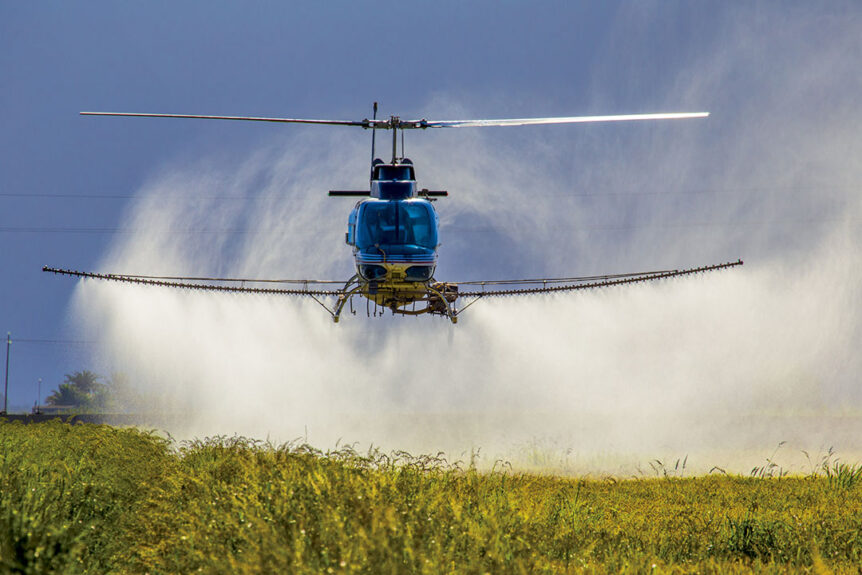
In agriculture and pest control, understanding pesticide formulations is essential for effective and safe application. These formulations consist of active and inert ingredients, each contributing uniquely to the product’s performance. By exploring the roles of these components, we can better appreciate their functions and significance in pest management.
Active Ingredients: The Core of Pesticides
Active ingredients are the primary agents in any pesticide formulation, designed to target and control specific pests such as insects, weeds, or fungal diseases. The concentration of these ingredients varies depending on the intended use. For example, a herbicide designed to tackle tough weeds may contain a higher concentration of active ingredients compared to a general-purpose insecticide. This variability ensures that each product is tailored to address specific pest challenges effectively.
Inert Ingredients: More Than Just Fillers
Despite their name, inert ingredients are far from inactive. They play a vital role in enhancing the overall performance of the pesticide. These substances can include solvents, carriers, preservatives, and adjuvants, each serving a distinct purpose. Solvents help dissolve active ingredients, carriers ensure even distribution, preservatives extend shelf life, and adjuvants optimize the pesticide’s effectiveness.
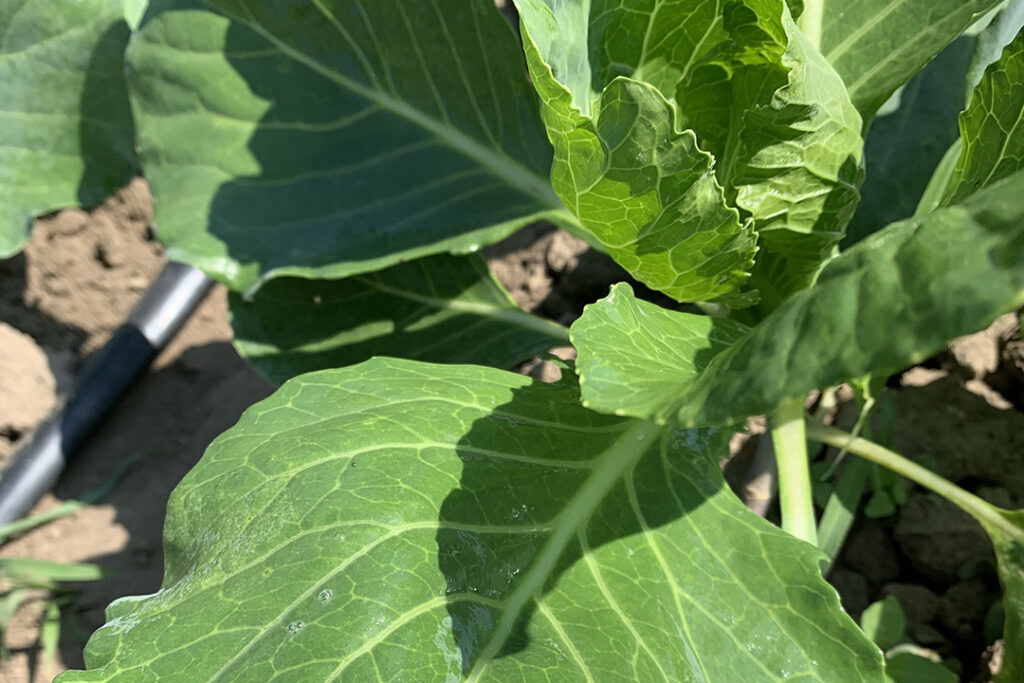
Adjuvants in pesticide formulations
The Role of Adjuvants
Adjuvants are a crucial subset of inert ingredients, added to pesticide formulations or spray mixtures to enhance the performance of active ingredients. They improve the physical properties of the spray mixture, increase adherence to target surfaces, and modify chemical characteristics to boost efficacy. Adjuvants are indispensable in ensuring that pesticides perform as intended.
Types of Adjuvants
- Surfactants: Reduce the surface tension of water, allowing for better coverage on leaf surfaces.
- Emulsifiers: Facilitate the mixing of oil-based active ingredients with water.
- Stickers and Extenders: Prolong the pesticide’s effectiveness on the target surface.
- Buffers and pH Modifiers: Stabilize the pH of the solution, ensuring the active ingredient remains effective.
- Drift Control Additives: Minimize pesticide drift during application, reducing environmental impact.
Choosing the Right Adjuvant
Selecting the appropriate adjuvant is critical for maximizing pesticide efficacy and avoiding potential damage to plants. Manufacturers often provide specific recommendations on pesticide labels, which should be followed meticulously to ensure optimal results.
Real-Life Application and Safety
The combination of active and inert ingredients determines how a pesticide is applied, its suitability for various environmental conditions, and its safety profile. For instance, pesticides with volatile active ingredients may require specific safety measures during application to prevent inhalation risks. Understanding these factors is essential for safe and effective pesticide use.
Environmental and Health Considerations
While active ingredients are closely regulated for their environmental and health impacts, inert ingredients, particularly adjuvants, may not be subject to the same level of scrutiny. This underscores the importance of careful selection and usage, guided by manufacturer recommendations and safety data sheets.
The Synergy of Ingredients
The effectiveness of a pesticide is not solely dependent on its active ingredients. Inert ingredients, especially adjuvants, play a pivotal role in ensuring the pesticide performs its intended function effectively and safely. By understanding these components, users can make informed decisions about pesticide use, leading to better pest control and minimized environmental impact.