
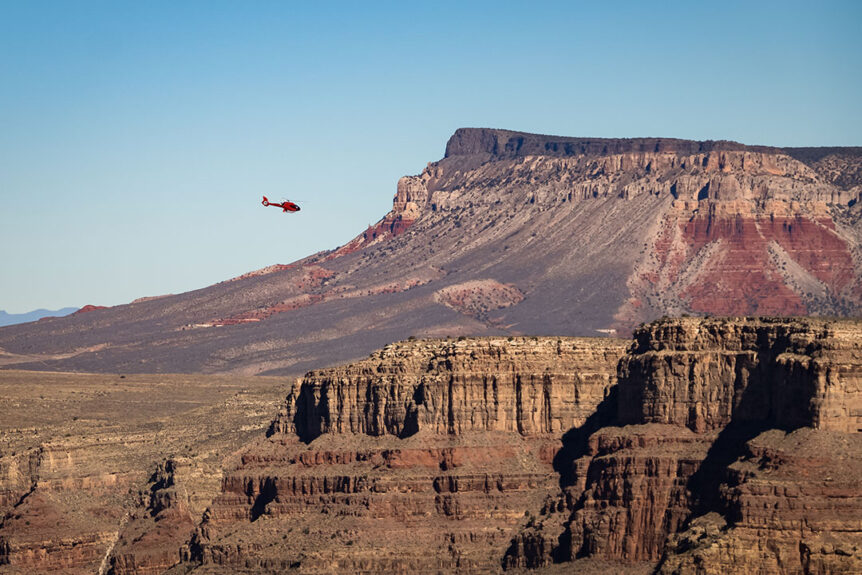
Reaching America’s most remote national parks once required long drives on rugged roads, extended travel time, and significant strain on vehicles and infrastructure. Today, helicopter charters offer a modern access solution for areas near protected landscapes. When used responsibly, helicopter access can improve safety and efficiency while reducing the environmental footprint associated with repeated ground travel.
Helicopters do not replace the wilderness experience. Instead, they support it by limiting unnecessary road use and allowing visitors, researchers, and land managers to reach remote locations with fewer surface disturbances. This approach is increasingly important as national parks face record visitation, aging infrastructure, and growing pressure on sensitive ecosystems.
Helicopter Charters as a Solution for Remote Access
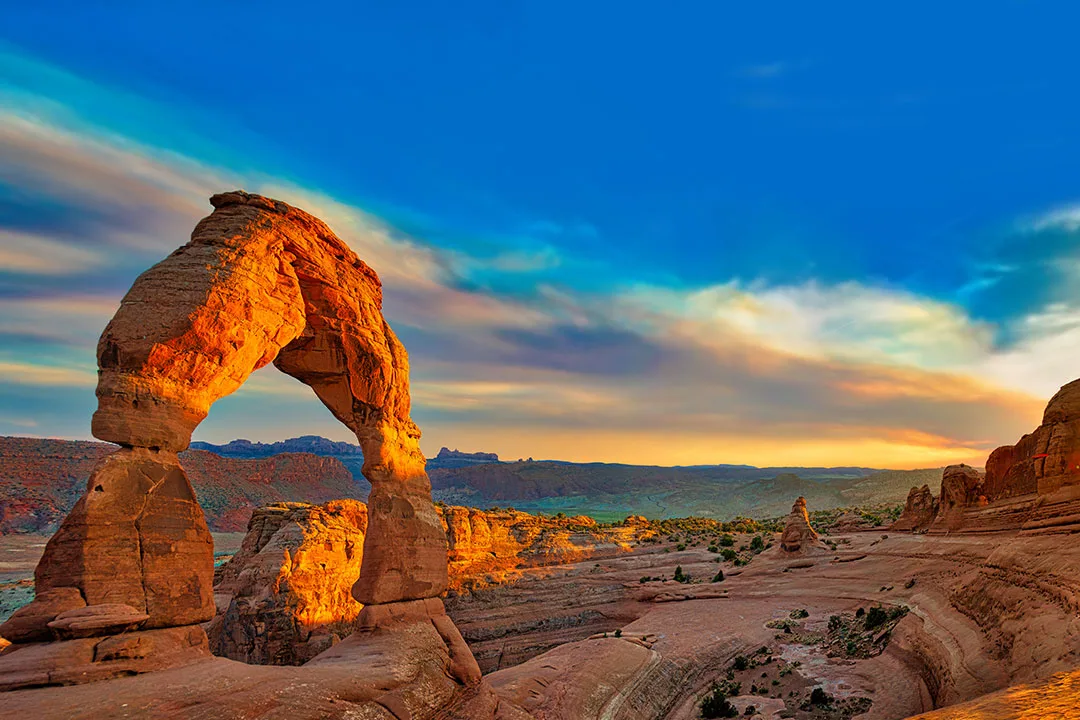
Arches national park, Moab Utah
National park visitation continues to rise, with more than 325 million recreation visits recorded in 2023. As iconic front country destinations become crowded, travelers and project teams are seeking quieter, less developed regions, which increases demand for efficient and carefully managed access solutions.
Although recreational helicopter tours are restricted within most national parks, helicopter charters serve important roles near park boundaries and on adjacent public lands. These operations support both visitor access and essential operational needs while remaining subject to federal aviation regulations and land management policies.
- Accessing adjacent public lands without increasing traffic on limited or unpaved roads
- Supporting scientific research, conservation projects, and land management operations
- Transporting supplies to remote lodges, trailheads, and field camps
- Providing emergency medical evacuation and rapid response capabilities
By concentrating access into fewer flights rather than repeated vehicle trips, helicopter charters can reduce cumulative impacts such as road erosion, dust generation, and habitat fragmentation near park boundaries.
Essential Helicopter Charter Roles Near Protected Lands
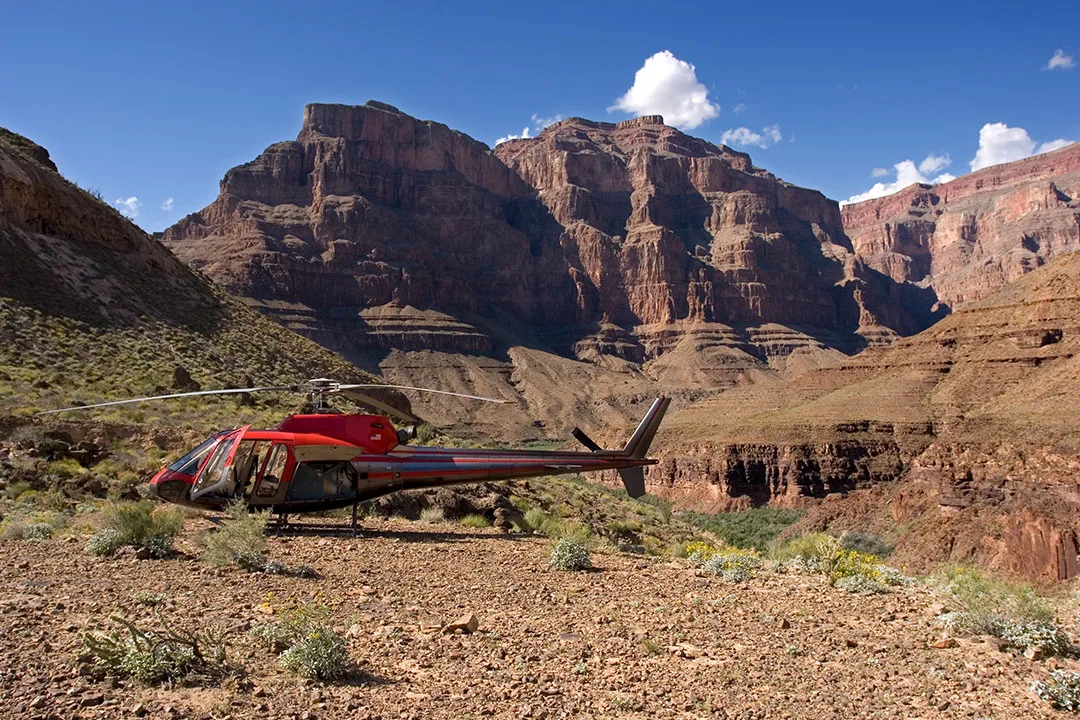
Helicopter at the bottom of the Grand Canyon, Nevada
Helicopter charters support a wide range of missions around national parks, extending well beyond tourism. These operations are often conducted in coordination with federal agencies, tribal governments, research institutions, and licensed outfitters.
Remote Access and Gateway Support
Many wilderness gateways are located just outside official park boundaries, particularly in Alaska, the Rocky Mountains, and the desert Southwest. Helicopter charters provide access to backcountry helipads, remote trailheads, and river corridors that would otherwise require long vehicle approaches or multi day travel.
Reducing vehicle use on rough access roads helps limit dust, soil erosion, and wildlife disturbance. The U.S. Geological Survey has documented connections between unpaved roads and increased sediment in streams and watersheds. Helicopter access can help reduce these impacts by minimizing the need for repeated ground travel.
Scientific Research and Conservation Operations
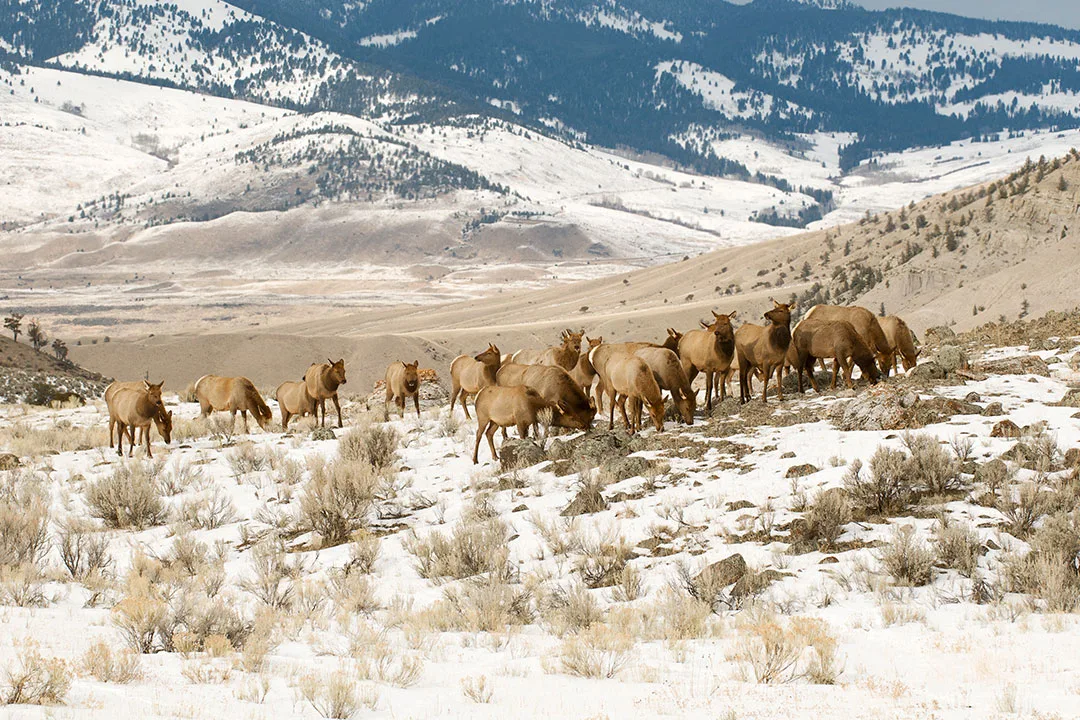
Herd of elk grazing late winter in Yellowstone National Park.
Helicopter access plays a critical role in scientific research and conservation work conducted near national parks. Researchers rely on helicopters to conduct wildlife population surveys, monitor glaciers and snowpack, assess vegetation health, and transport crews and equipment to roadless study sites.
In Alaska, aerial survey programs are commonly used to monitor caribou populations and range conditions over large areas that are difficult to cover on foot. These data support informed management decisions and long term conservation planning.
Emergency Response and Medical Support
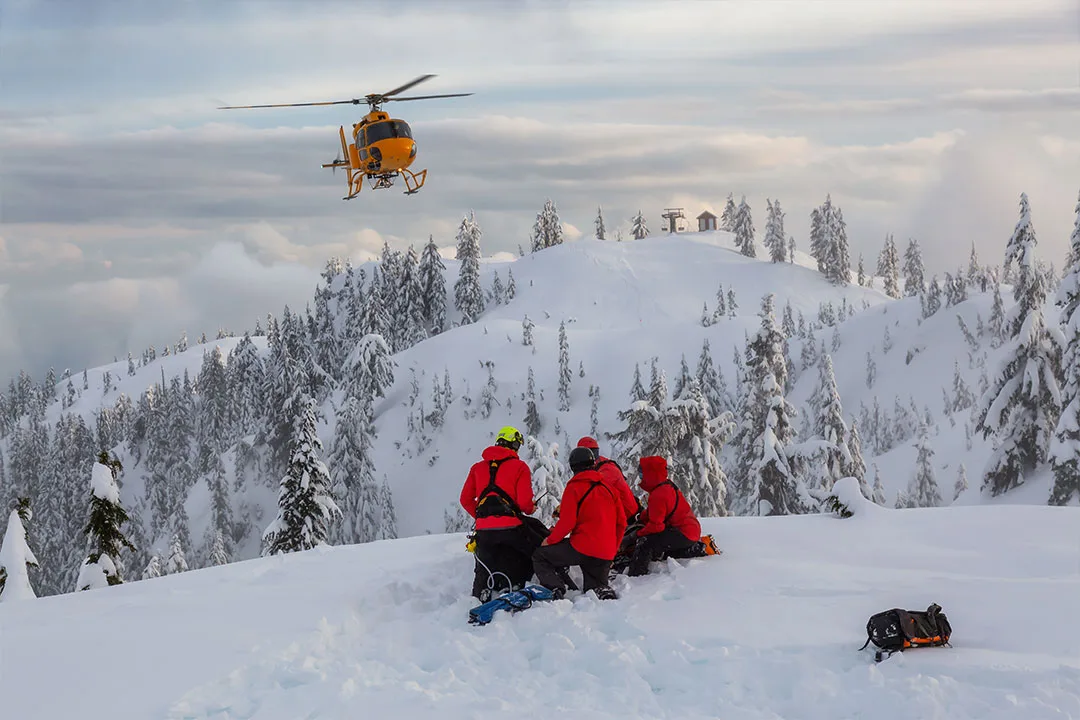
A rescue helicopter approaches in mountainous terrain.
As visitation increases, so does the likelihood of medical emergencies and search and rescue incidents in remote terrain. Helicopters are often the only viable means of providing timely assistance in steep, rugged, or inaccessible areas.
Between 2013 and 2019, more than 15 percent of National Park Service search and rescue incidents involved aircraft support at some stage of the response. Helicopter access significantly reduces evacuation times, which can be critical in life threatening situations.
Environmental Considerations for Helicopter Operations
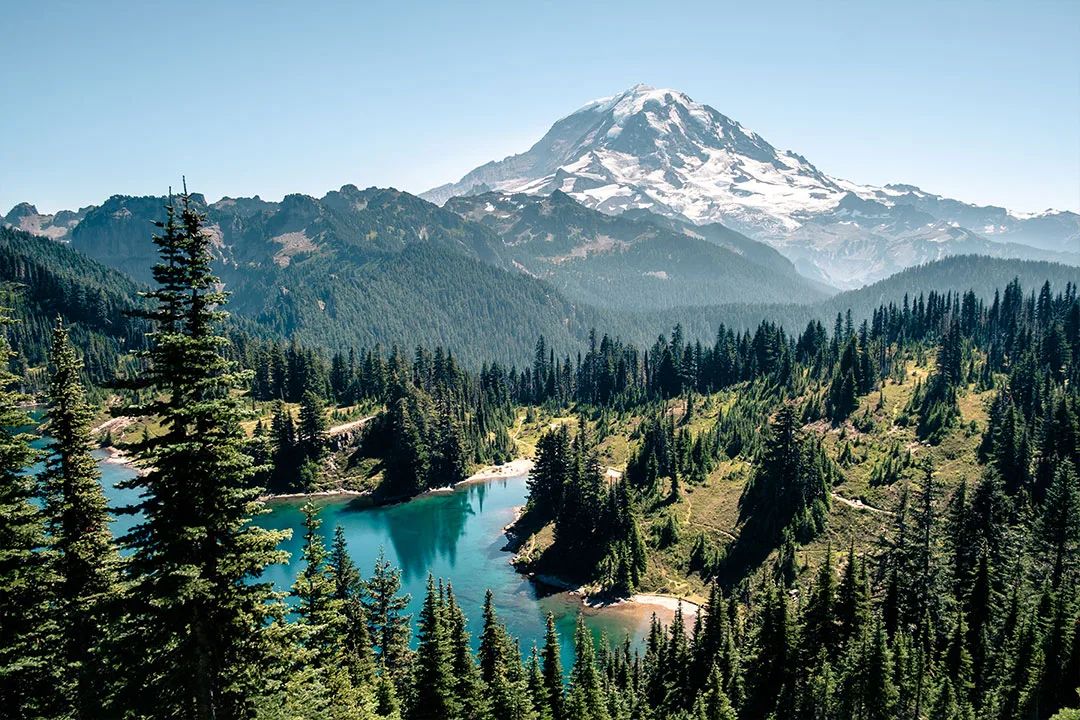
Mt. Rainier National Park
Helicopter charters are powerful tools, but their use near national parks requires careful environmental consideration. Operators increasingly follow best practices designed to minimize noise, visual disturbance, and wildlife impacts while maintaining safety.
Noise Management and Flight Routing
Many parks establish flight free zones, recommended routes, and minimum altitudes to protect natural soundscapes. The National Parks Air Tour Management Act framework guides how commercial air tours are managed and how routes and plans are developed in coordination with the FAA and NPS.
Outside regulated corridors, responsible helicopter operations typically avoid popular viewpoints, campgrounds, and backcountry camps. Pilots maintain higher altitudes when terrain and weather allow and use smooth power transitions to reduce noise impacts across the landscape.
Wildlife Protection Practices
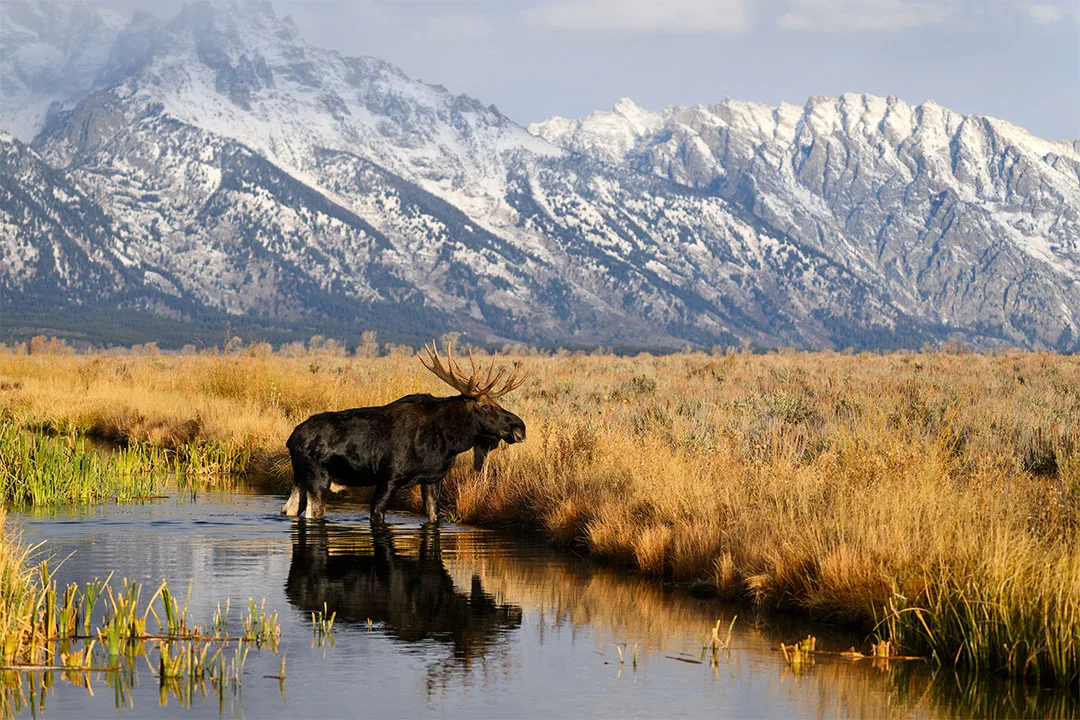
Bull moose in rutting season, Grand Teton National Park , Wyoming.
Aircraft activity can influence wildlife behavior, particularly when flights occur at low altitudes or near sensitive habitats. The U.S. Geological Survey has documented that raptors and other species can show short term behavioral responses to aircraft stimuli under certain conditions.
To minimize disturbance, helicopter pilots are trained to avoid nesting, calving, and migration areas when possible, maintain lateral separation from wildlife groups, and limit hovering or circling near animal activity. These practices help balance operational needs with wildlife protection.
Using Helicopter Charters to Protect What Matters Most
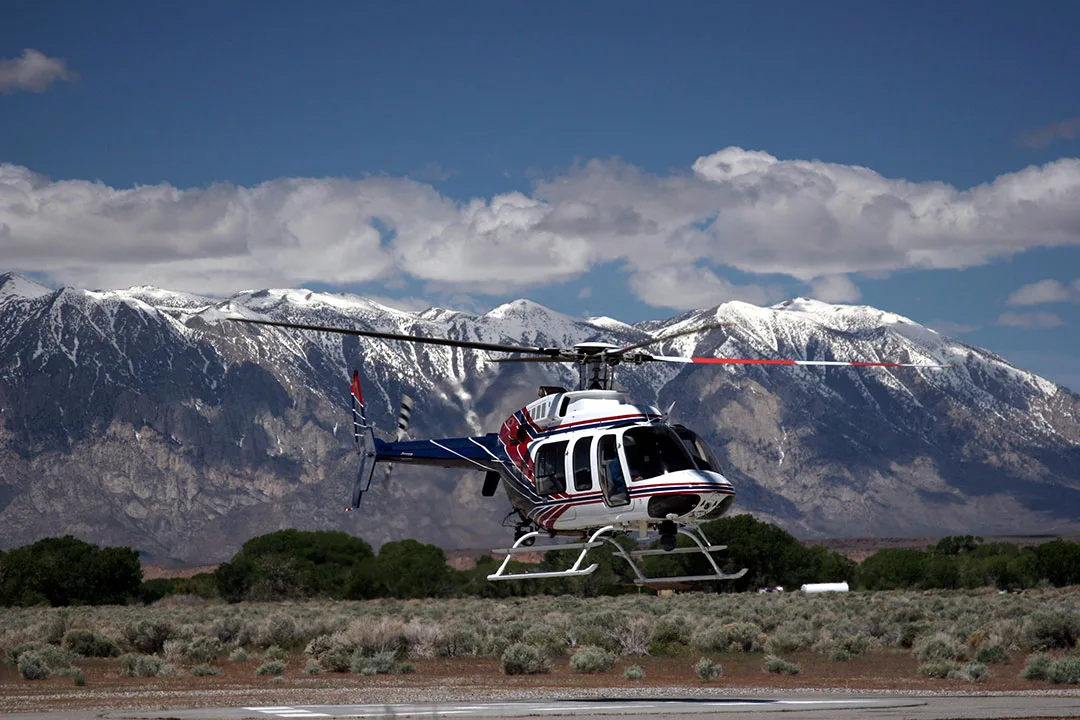
Helicopter charters support safer access, conservation work, and emergency response near national parks, and Fair Lifts helps coordinate these operations with experienced operators and environmental awareness.
Helicopter charters near national parks are not about bypassing wilderness values. When used thoughtfully, they reduce surface impacts, support scientific research, enhance emergency response, and provide carefully managed access to remote areas that would otherwise require extensive ground disturbance.
For organizations, researchers, and travelers navigating access near protected lands, working with an aviation partner that understands regulatory requirements, environmental considerations, and regional operating conditions is essential.
Organizations and project teams can contact Fair Lifts to connect with experienced helicopter operators suited to remote and sensitive environments, supporting access solutions that align with conservation goals and long term stewardship.