
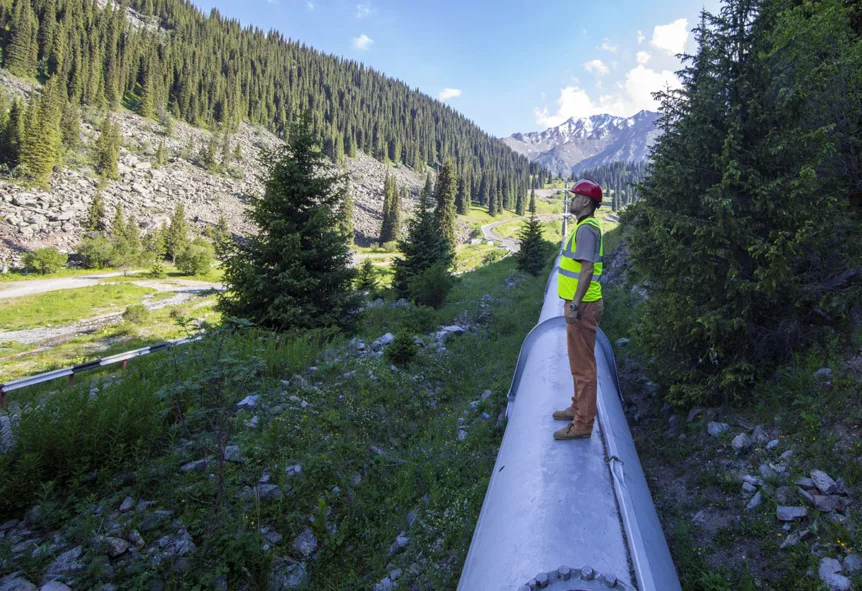
As the oil and gas industry continues to grow, the need for sustainable and eco-friendly pipeline construction becomes increasingly important. Helicopters play a crucial role in minimizing the environmental impact during these construction projects. By utilizing advanced technology, versatile capabilities, and adhering to best practices, helicopters support sustainable pipeline construction while ensuring efficiency and cost-effectiveness.
Reducing Ground Disturbance and Erosion
One of the key ways helicopters contribute to eco-friendly pipeline construction is by reducing ground disturbance and erosion. Traditional ground-based construction methods involve the movement of heavy equipment and personnel, which can cause significant damage to the terrain, vegetation, and ecosystems. Helicopters, on the other hand, allow for the transportation of personnel, equipment, and materials with minimal disruption to the environment. By conducting aerial lifts and precisely placing heavy loads, helicopters minimize the need for extensive land clearing and ground-based machinery, thereby reducing the overall environmental impact of pipeline construction projects.
Improving Access to Remote Areas
Pipeline construction often takes place in remote, hard-to-reach locations, which can pose significant challenges for traditional ground-based methods. Helicopters offer a versatile solution for accessing these areas without causing undue harm to the environment. By providing aerial transportation and support services, helicopters can safely and efficiently deliver personnel, equipment, and materials to remote locations without the need for extensive road building or infrastructure development. This not only preserves the natural habitat and ecosystems but also reduces the carbon footprint associated with ground transportation.
Conducting Aerial Surveys and Monitoring
A critical component of eco-friendly pipeline construction is the ability to conduct thorough aerial pipeline inspections and environmental monitoring. Helicopters equipped with advanced sensors and imaging technology can quickly and accurately assess terrain, vegetation, and wildlife populations, providing valuable data for project planning and impact assessments. This information allows construction teams to make informed decisions about pipeline routing, minimize habitat disruption, and develop appropriate mitigation strategies. In addition, aerial monitoring throughout the construction process enables teams to track and manage the environmental impact of their work, ensuring compliance with regulations and best practices.
Efficient Emergency Response and Environmental Protection
In the event of an emergency or environmental incident during pipeline construction, helicopters play a vital role in providing rapid response and support. Their ability to quickly reach remote locations and deliver personnel, equipment, or resources can help mitigate potential environmental damage and minimize the overall impact. Additionally, helicopters can be used for aerial firefighting, oil spill response, and wildlife relocation, further contributing to the protection of the environment during pipeline construction projects.
Best Practices for Sustainable Pipeline Construction Using Helicopters
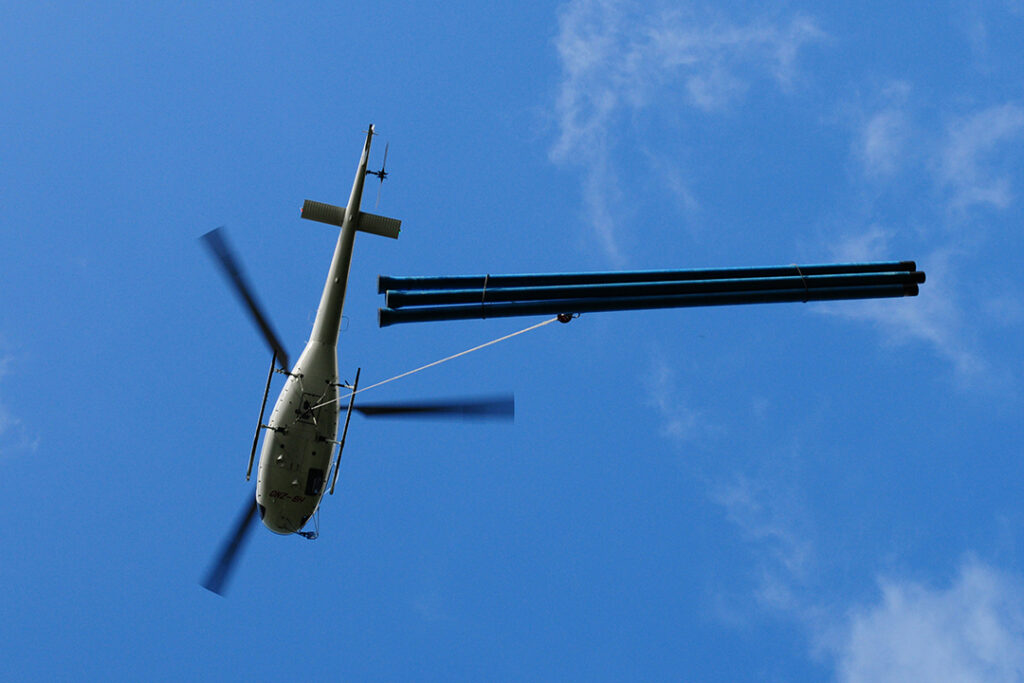
A Swiss helicopter hauling pipeline construction materials
To maximize the environmental benefits of using helicopters in pipeline construction, it is essential to follow best practices and adhere to strict safety and environmental standards. Some of these practices include:
-
- Comprehensive planning and environmental assessments: Utilize aerial surveys and advanced technology to gather accurate data on terrain, vegetation, and wildlife, allowing for informed decision-making and minimal environmental disruption.
- Minimizing land clearing and ground disturbance: Employ helicopters for the transportation of personnel, equipment, and materials, reducing the need for extensive land clearing and ground-based machinery.
- Reducing noise pollution: Choose modern helicopters with quieter engines and noise reduction technology to minimize the impact on wildlife and nearby communities.
- Collaborating with environmental agencies and experts: Work closely with regulatory bodies and environmental consultants to ensure compliance with environmental laws, regulations, and best practices.
- Continuous monitoring and mitigation: Conduct ongoing aerial monitoring throughout the construction process to assess and manage the environmental impact, and implement appropriate mitigation strategies as needed.
- Implementing emergency response plans: Develop and maintain comprehensive emergency response plans that incorporate helicopter support for rapid response to environmental incidents or emergencies.
- Training and education: Ensure all personnel involved in helicopter-supported pipeline construction are well-trained in environmental protection and safety procedures.
By incorporating these best practices and leveraging the unique capabilities of helicopters, pipeline construction projects can significantly reduce their environmental impact and contribute to a more sustainable future for the oil and gas industry.
Helicopters play a vital role in supporting eco-friendly pipeline construction by reducing ground disturbance, improving access to remote areas, conducting aerial pipeline inspections, and providing efficient emergency response. By adhering to best practices and utilizing the versatile capabilities of helicopters, the oil and gas industry can minimize environmental impact and support a more sustainable future. When it comes to eco-friendly pipeline construction, the advantages of helicopter services are clear and undeniable.