

Coordinated Aerial Firefighting Solutions
Each year, millions of acres of land are lost to wildfires caused by lightning, equipment failures, or human activity. Fair Lifts works with a trusted network of experienced pilots and operators trained in aerial firefighting missions. These aircraft are equipped with high-capacity tanks and precision delivery systems that allow water or fire retardant to be deployed exactly where it is needed most.
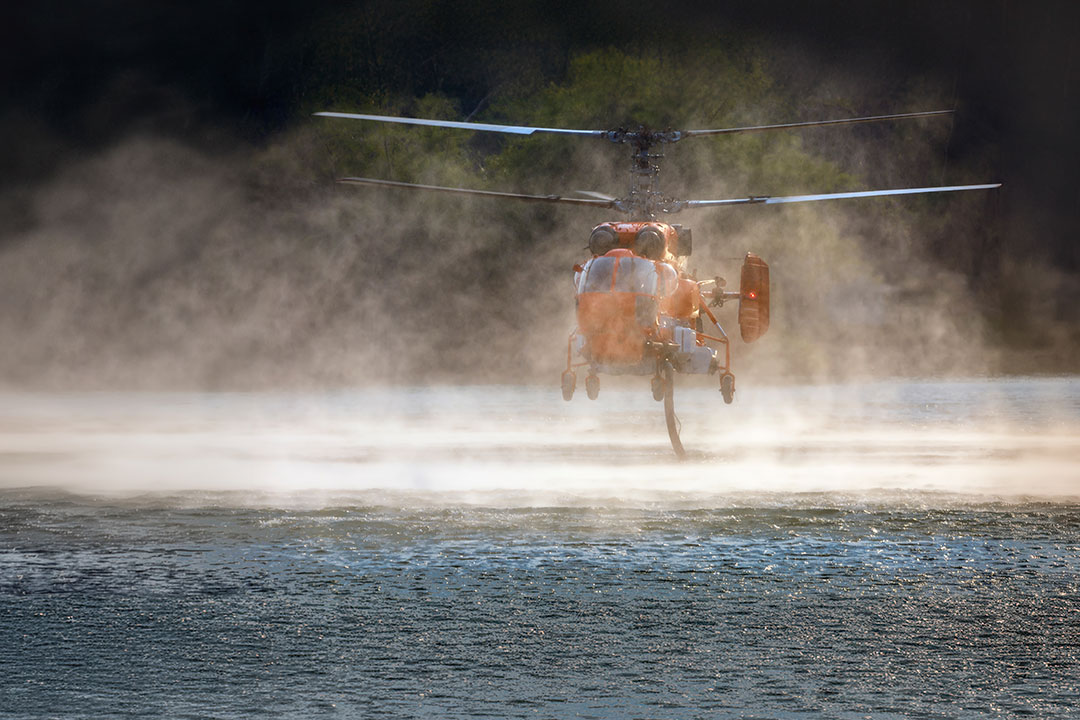
Unlike fixed-wing aircraft that must follow predetermined routes, helicopters can hover, maneuver precisely, and adjust their drop patterns in real time. Many models feature specialized bucket systems that draw water directly from lakes, rivers, or reservoirs, even in hard-to-reach areas. This flexibility allows pilots to refill quickly and return to active zones, maximizing efficiency during critical firefighting operations.
When wildfires threaten, Fair Lifts provides coordinated aerial support to help protect communities, safeguard property, and preserve natural environments. Our partners combine expertise, specialized equipment, and rapid deployment to deliver dependable results when it matters most.

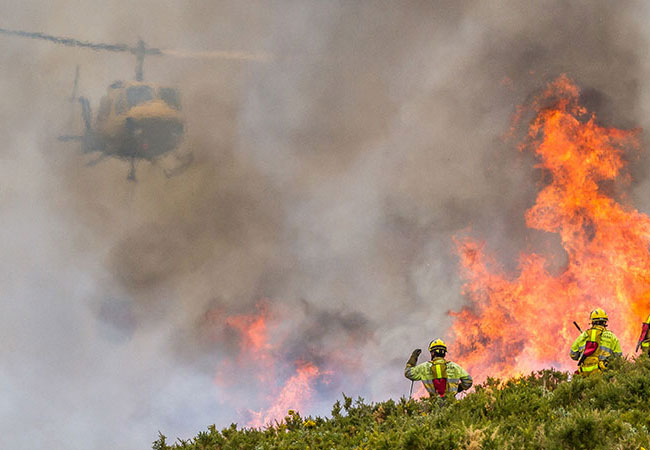
Comprehensive Aerial Firefighting Services
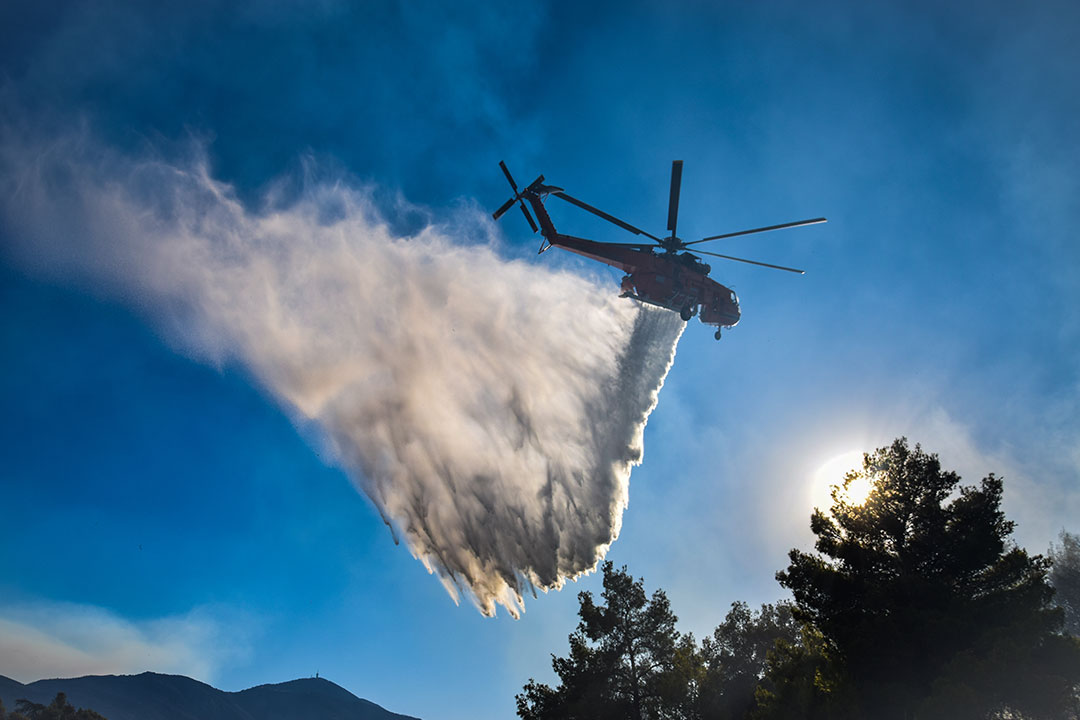
Control Tactics
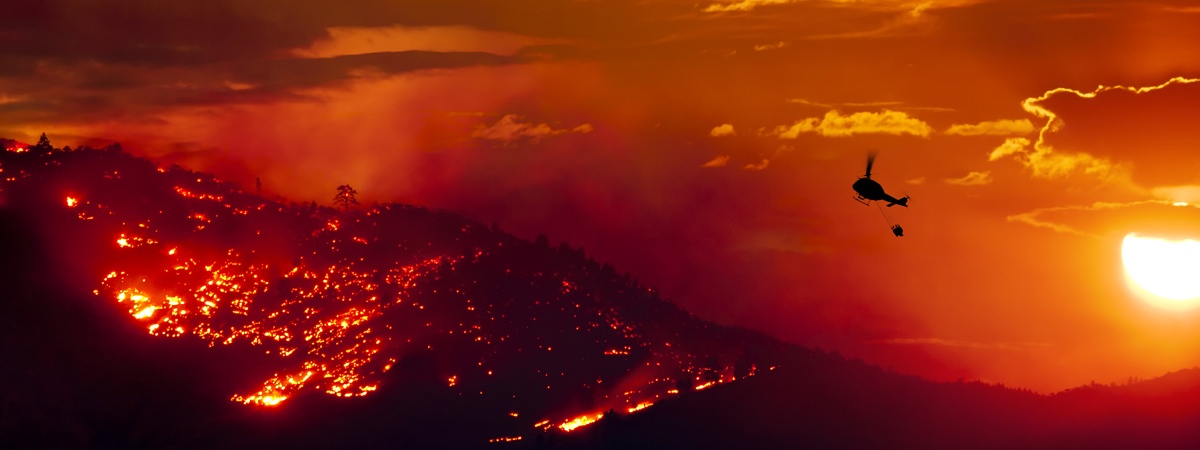
Helicopters provide vital aerial support during the active phases of a wildfire. Operators perform water and retardant drops, create containment lines, and conduct surveillance to track the fire’s movement. These tactics help ground crews plan efficient responses and reduce the spread of flames in high-risk zones.
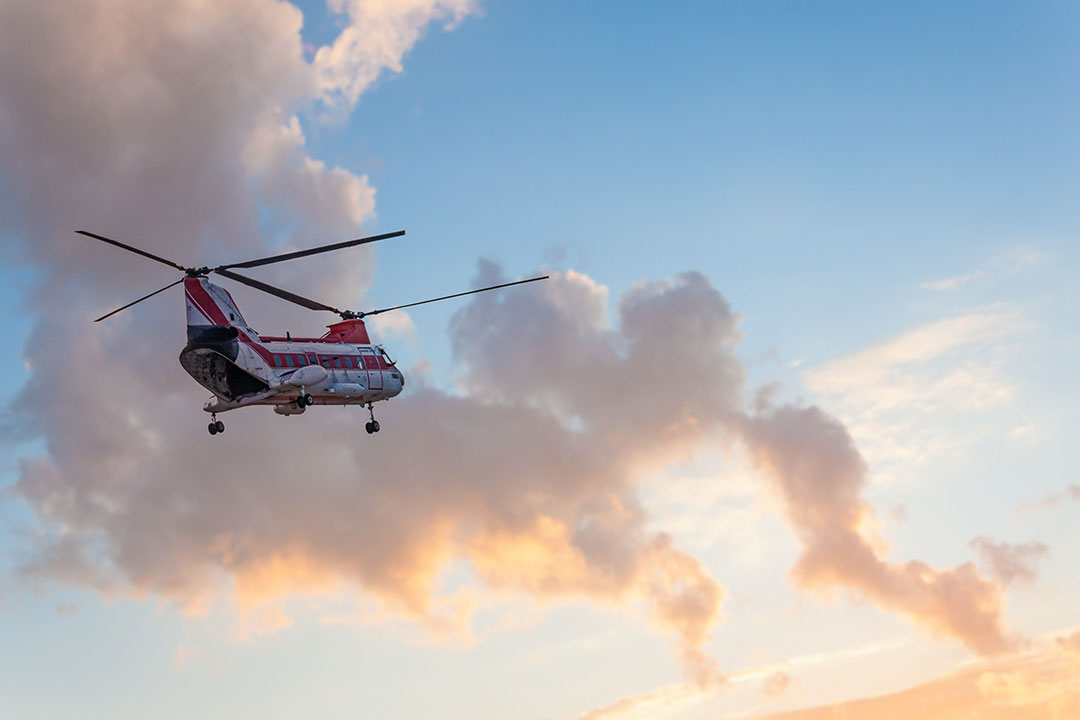
Transportation
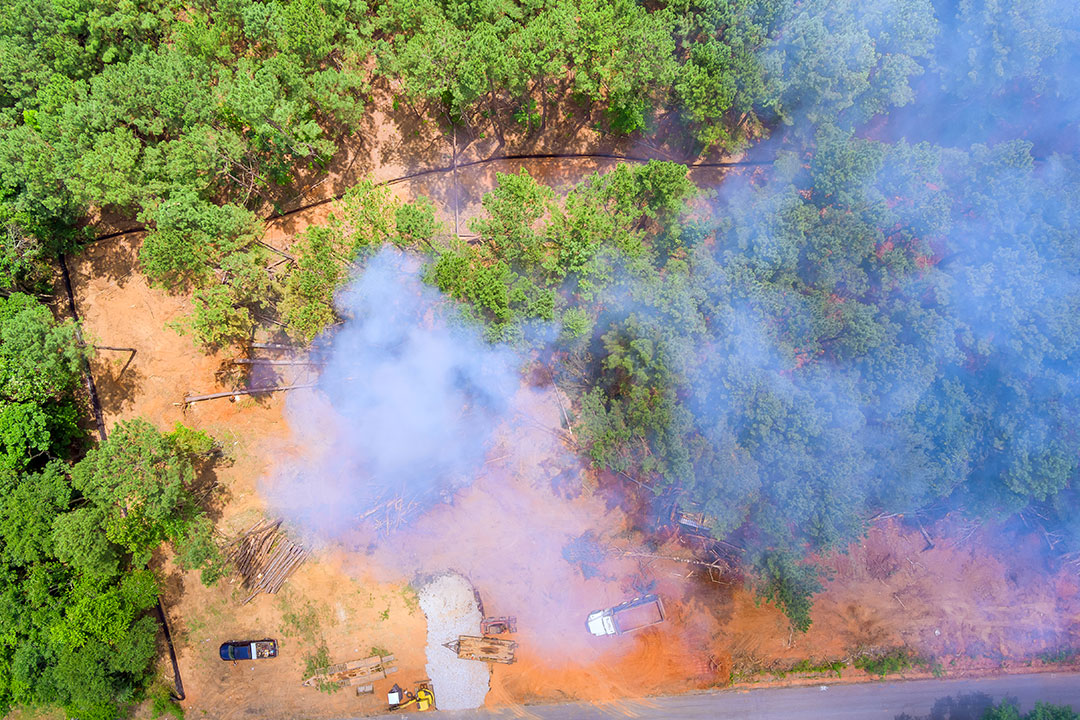
Post-Fire Operations
After a fire has been contained, helicopters support restoration and recovery efforts through aerial hydroseeding, debris removal, and long-line operations. These missions help stabilize soil, restore vegetation, and remove hazardous materials to prepare the land for safe use once again.
Extraction & Suppression Support
Helicopters are used to transport fuel, deliver fire retardants, and support fireproofing activities in ongoing suppression operations. This includes extracting combustible materials from critical areas and distributing retardants strategically to strengthen containment lines and protect vulnerable terrain.
The Scope of Firefighting Helicopters
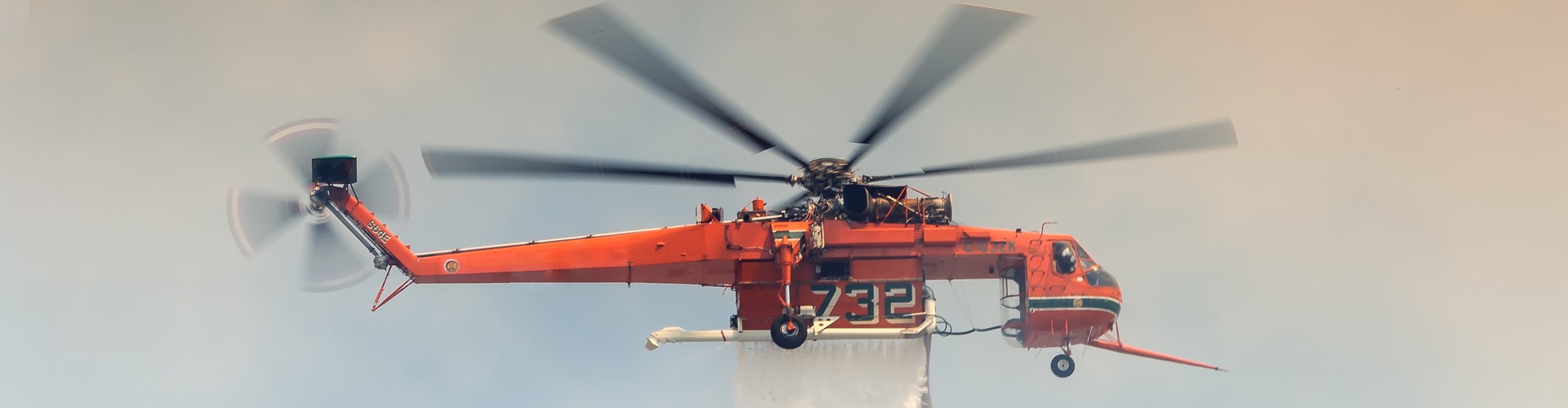
Aerial firefighting requires specialized helicopters designed for heavy lifting, precise water or retardant delivery, and operation in demanding environments. These aircraft, often referred to as helitankers, are equipped with tanks, buckets, or hover-scoop systems that allow them to collect and deploy thousands of gallons of water or suppressant with speed and precision.
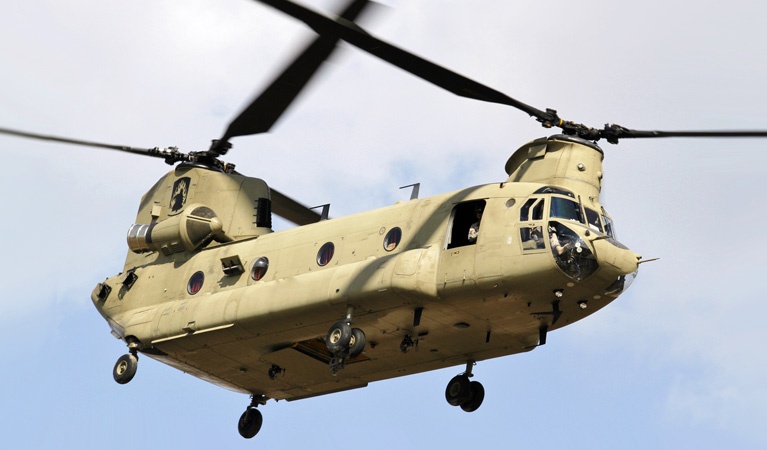
Boeing CH-47 Chinook
This twin-engine, tandem-rotor helicopter is renowned for its strength and reliability. The Chinook can carry up to 3,000 gallons of water or retardant using internal or external tanks. Its speed, range, and heavy-lift capability make it a key asset for both initial attack and extended firefighting missions in rugged or remote terrain.
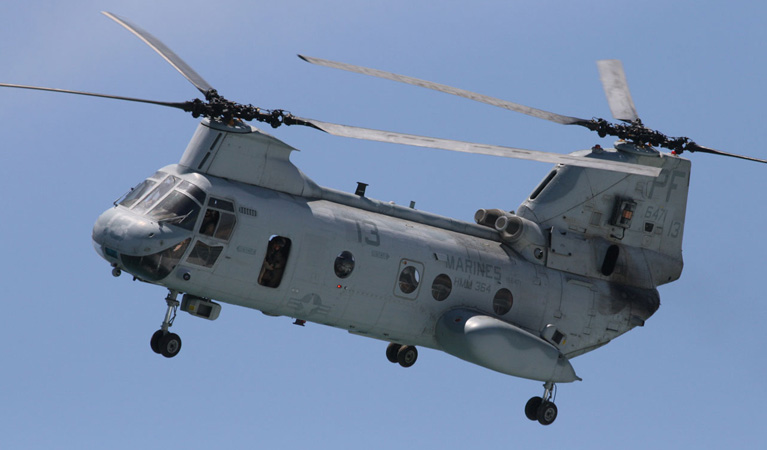
Boeing CH-46 Sea Knight
A medium-lift twin-rotor helicopter known for its stability and versatility. The Sea Knight is often adapted for firefighting operations, using external buckets or belly tanks for water delivery. Its compact frame and reliable performance make it well suited for coastal and urban-interface firefighting efforts.

MD 500 Series
Lightweight, agile, and efficient, the MD 500 is commonly used for aerial reconnaissance, fire mapping, and precision water drops. Its maneuverability allows pilots to reach hotspots and confined areas where larger aircraft cannot operate safely.
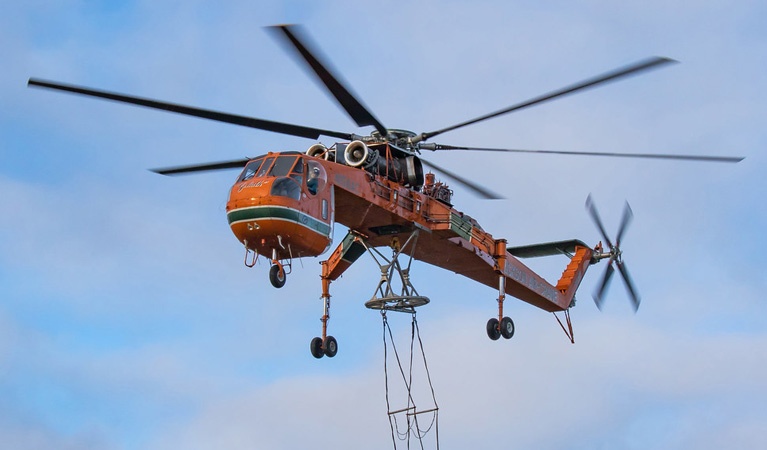
Sikorsky S-64 Skycrane

UH-1H “Huey”
A proven and reliable multi-role helicopter frequently used in aerial firefighting. The Huey’s simple design and strong power-to-weight ratio make it ideal for bucket operations and crew transport. It can carry roughly 300 gallons of water and is widely valued for its maneuverability and adaptability in wildfire conditions.

Bell 212
Immediate Aerial Firefighting Operations and Support
Fair Lifts coordinates rapid-response aerial firefighting operations across the United States and beyond. Our network of trusted aviation partners includes operators approved for missions with the USDA Forest Service, state agencies, and local fire departments. Each mission is conducted by qualified pilots and experienced crews trained to meet the highest safety and performance standards.
Through seamless collaboration with firefighting agencies, smokejumpers, and ground response teams, Fair Lifts ensures that aerial resources are deployed quickly and effectively when wildfires strike. Whether supporting emergency containment, controlled burns, or post-fire recovery, our team delivers dependable aerial solutions to protect lives, property, and the environment.
Call 1-800-318-8940 to connect with a Fair Lifts representative and schedule coordinated aerial firefighting support today.
Aerial Firefighting Operations in Focus
Stay informed with the latest developments in aerial firefighting and wildfire response. Fair Lifts shares insights on helicopter technology, suppression techniques, and coordinated air-to-ground strategies that continue to improve safety and efficiency. From new equipment and training advancements to real-world missions and large-scale containment efforts, these updates highlight the essential role helicopters play in protecting communities, preserving natural resources, and supporting emergency response operations across the globe.
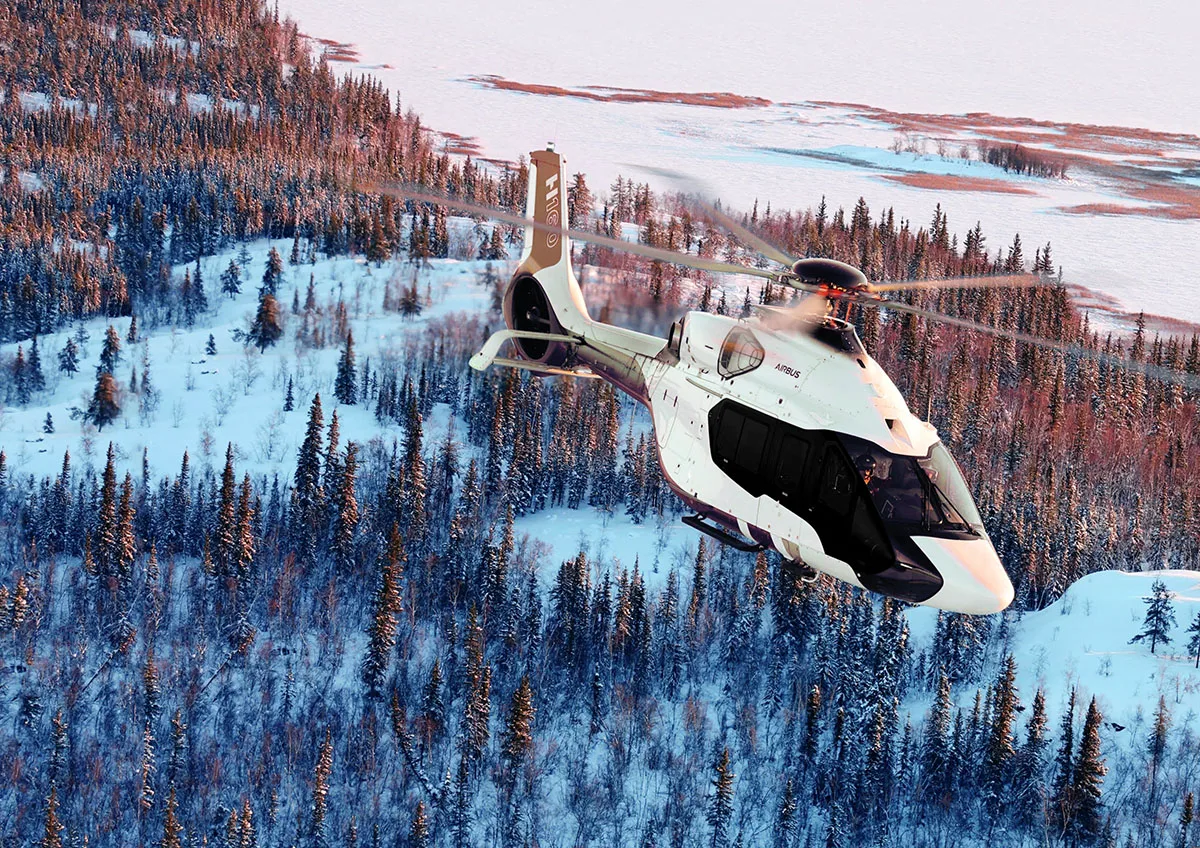
Airbus H160 Helicopter Specifications: Performance, Cabin, Avionics, and Mission Capability

The Top 10 Longest-Range Civilian Helicopters for 2026

The Fastest Civilian Helicopters for 2026
Sikorsky S-92A Helicopter Specifications: Performance, Cabin, and Operating Data
