
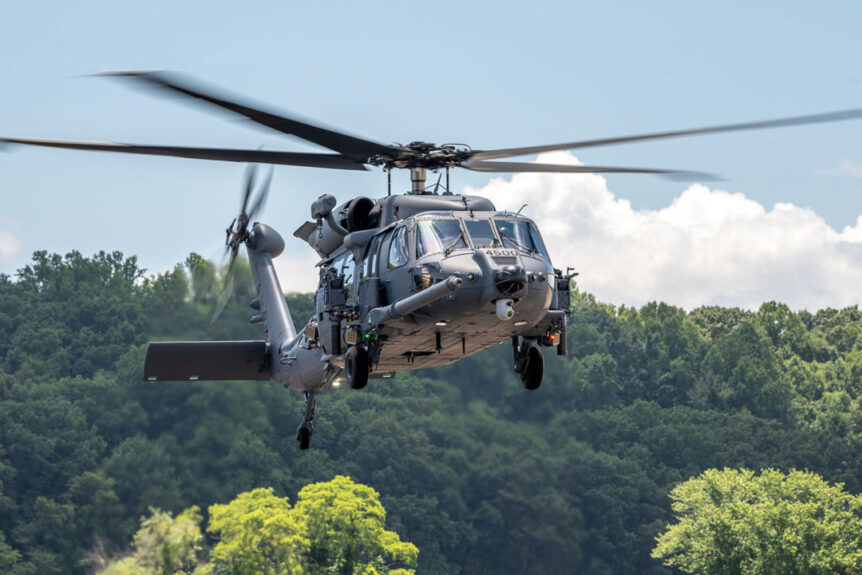
Air National Guard rescue assets were deployed to Japan’s Misawa Air Base from July to August 2025, standing ready for potential real-world personnel recovery missions during the historic Resolute Pacific exercise. This Department-level training series represented one of the most comprehensive demonstrations of joint force capabilities across the Indo-Pacific, spanning thousands of miles and multiple operational theaters.
The Guard’s participation underscored its vital role in supporting large-scale combat operations while maintaining constant readiness for emergency response.
What Made This Pacific Exercise Historic
Resolute Pacific 2025 was a massive operation that united joint and allied airpower across more than 50 locations, involving over 400 aircraft and 12,000 personnel. It tested rapid deployment, agile combat employment, and global command coordination in one of the world’s most strategically important regions.
The exercise covered approximately 3,000 miles, running from July 10 to August 8, 2025, with a focus on rapid force generation, mobility, and integrated command capabilities.
Where the Air National Guard Fit In
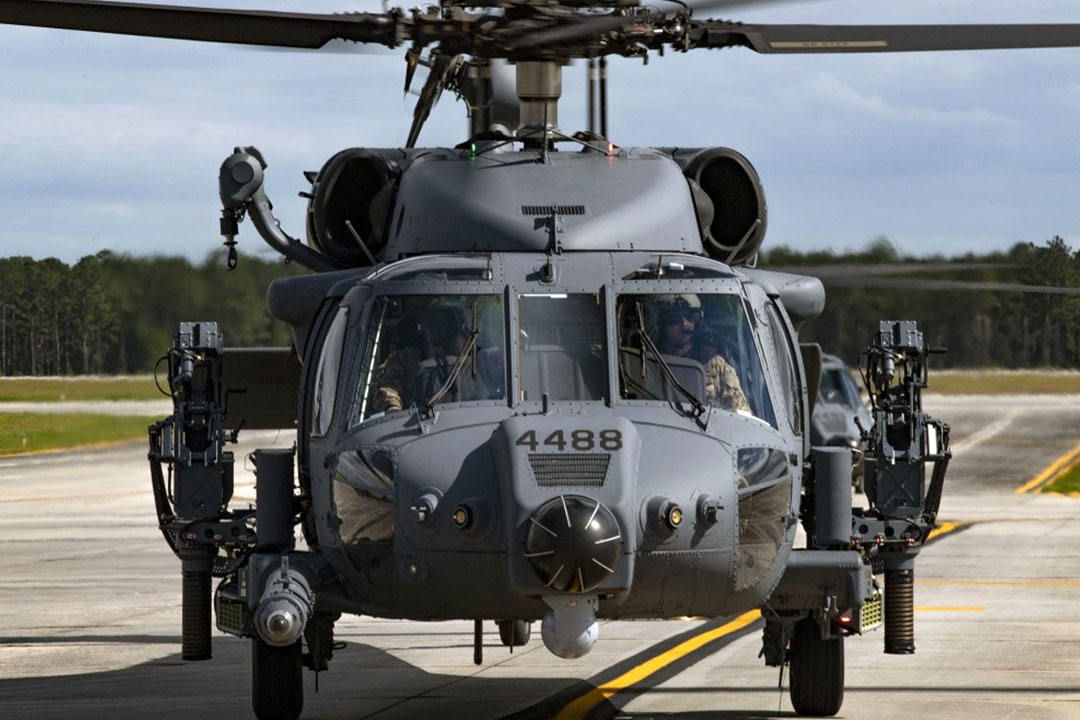
HH-60W Jolly Green II | Photo: lockheedmartin.com
Air National Guard wings from New York, California, and Alaska formed a rescue task force at Misawa Air Base. About 150 Airmen and five aircraft supported the event, ready to perform real-world rescues if needed.
The New York 106th Rescue Wing deployed HH-60W Jolly Green II helicopters, supported by pararescue and maintenance teams from California and Alaska. Two HC-130J Combat King II aircraft from New York and California provided long-range coverage and aerial refueling.

HC-130J Combat King II | Photo: af.mil
Assets and Capabilities
- HH-60W Jolly Green II: A rapid response helicopter with hoist capability and advanced avionics.
- HC-130J Combat King II: A fixed-wing aircraft used for aerial refueling, extended-range search and rescue, and airborne command support.
- Pararescue Specialists: Also called PJs, these elite personnel provided medical, survival, and extraction support in maritime and remote terrain.
Why Rescue Support Matters During Large-Scale Exercises
The scale and tempo of Resolute Pacific required full-time alert status for recovery assets. With aircraft flying long distances to unfamiliar runways, the Air National Guard rescue triad provided essential coverage for high-risk scenarios.
Guard crews conducted daily launch drills, mission briefs, and coordinated medical and maintenance logistics with on-site command staff. The operation validated integrated personnel recovery under high-tempo Pacific scenarios.
Agile Combat Employment and the Role of Rescue Assets
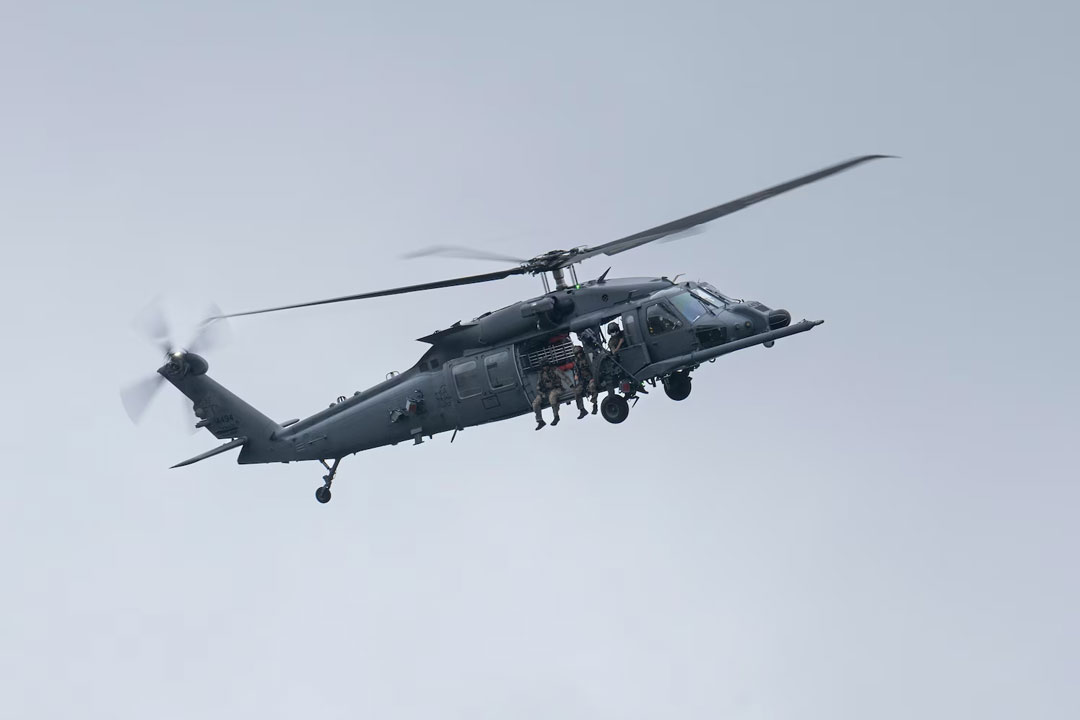
HH-60W Jolly Green II | Photo: af.mil
As Air Force strategy shifts toward agile combat employment, HH-60W helicopters and HC-130J tankers prove vital. These assets offer flexible support across small, dispersed bases where larger aircraft cannot operate.
Midair refueling and extractions from austere environments give the Air Force unmatched agility across the Indo-Pacific.
Mission Execution and Crew Perspectives at Misawa
Crews from the 106th Rescue Wing worked alongside Alaska and California teams, conducting alert rotations, coordination drills, and daily readiness briefs at Misawa Air Base. Personnel from all three states emphasized the value of integrated training, noting that cross-wing collaboration not only enhanced readiness but also ensured seamless synchronization of rescue operations with broader combat missions during the exercise.
Aircraft Featured in Resolute Pacific

KC-135R Stratotanker | Photo: af.mil
Beyond rescue assets, the exercise included F-22 Raptors, KC-135 Stratotankers, C-17 Globemasters, CV-22 Ospreys, and MQ-9 Reapers. A full gallery of platforms is available in the Air and Space Forces photo release.
Strategic Impact for the Indo-Pacific Region
This exercise showcased the United States’ ability to surge airpower across the Indo-Pacific. Air National Guard rescue assets ensured mission continuity and demonstrated total force integration.