
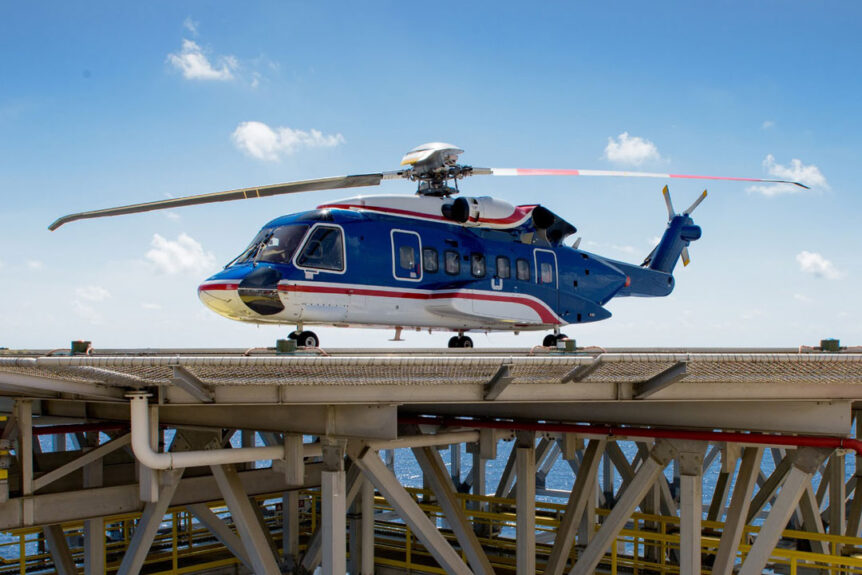
Sikorsky is increasing production capacity for a newly introduced variant of the S-92 helicopter, reinforcing the aircraft’s role in offshore transport, government missions, and demanding utility operations. The move signals continued investment in one of the most widely used heavy transport helicopters in the commercial aviation sector.
For the offshore aviation market and other heavy rotorcraft missions, the announcement is more than a manufacturing update. Aircraft availability, production stability, and long-term support infrastructure all influence how fleets are planned and how reliably aircraft can support critical transportation networks.
Sikorsky Reinforces Long-Term Commitment to the S-92 Platform
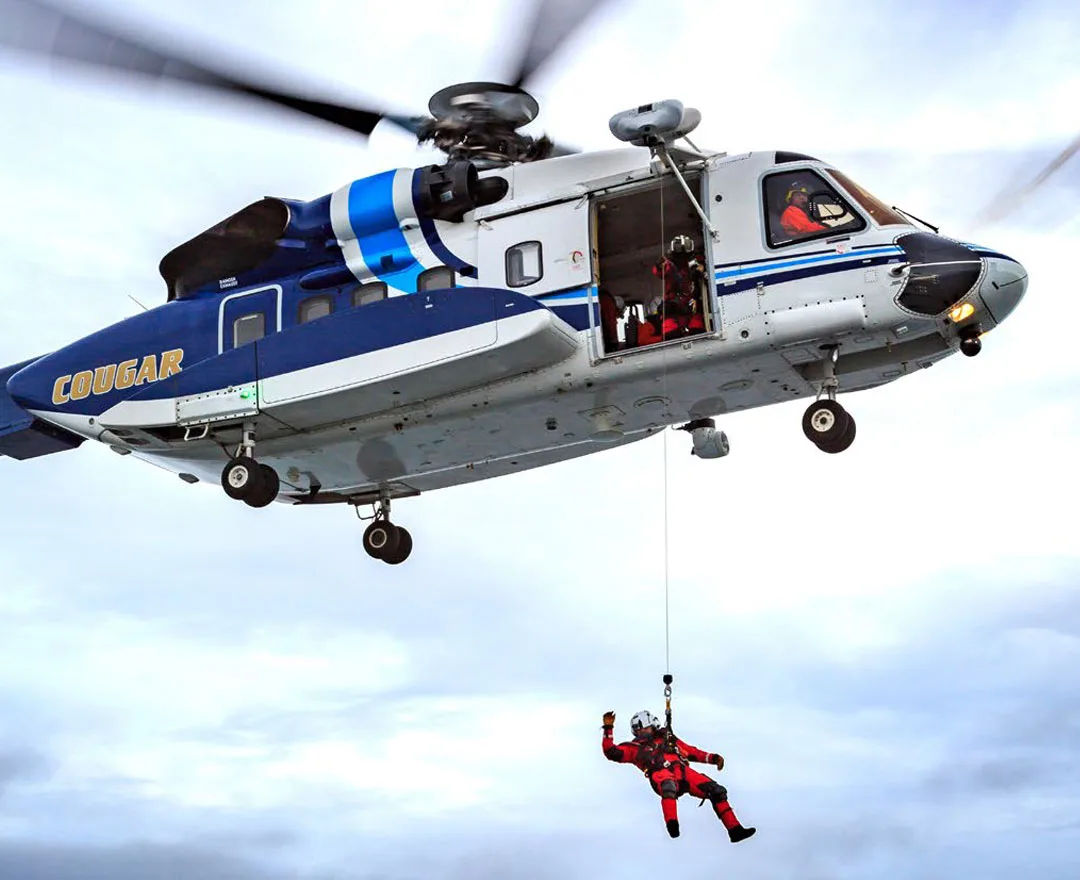
Sikorsky S-92 executing a search and rescue mission. | Photo: lockheedmartin.com
Sikorsky is ramping up manufacturing of a new S-92 configuration to meet growing customer demand and maintain delivery timelines across the global helicopter community.
The S-92 has long served as a cornerstone aircraft for offshore transportation and search and rescue missions. Since entering service in 2004, the platform has accumulated more than 2 million flight hours worldwide, much of it supporting offshore energy crews traveling between coastal bases and production platforms.
What keeps the aircraft relevant is not only its technical performance but also its operational track record. Reliability, cabin capacity, and established maintenance pathways have made the S-92 a dependable platform for missions that require consistent lift capability in challenging environments.
Why the S-92 Continues to Anchor Offshore Helicopter Fleets
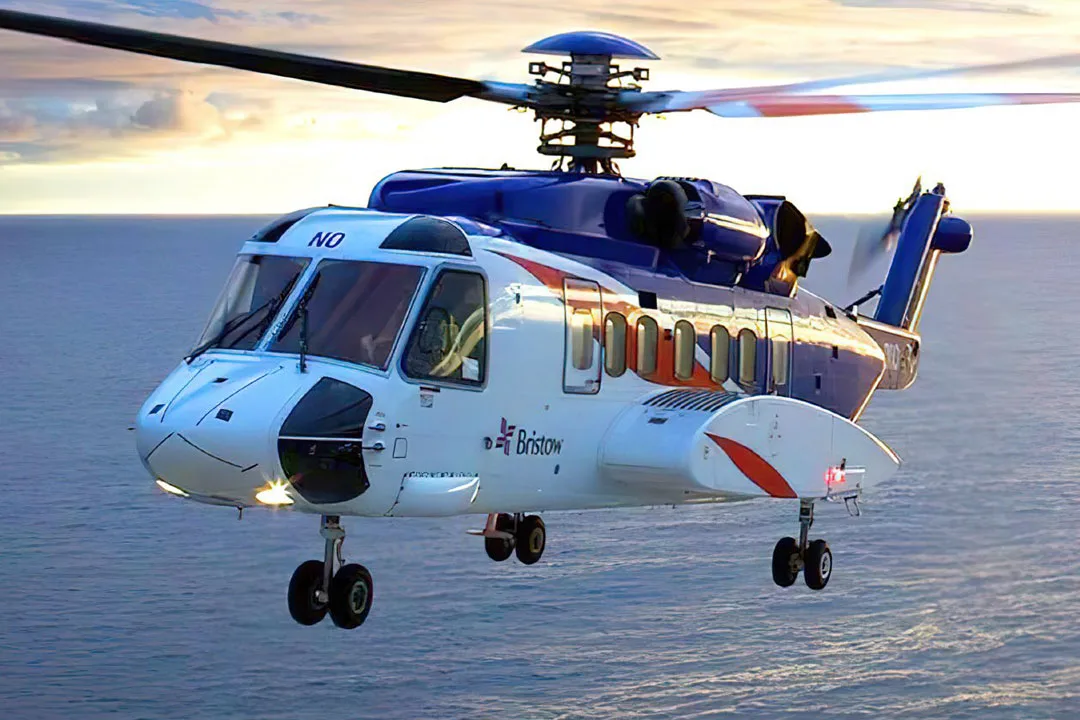
Sikorsky S-92 | Photo: lockheedmartin.com
Offshore aviation requires helicopters capable of combining range, payload capacity, and strong all-weather performance. The S-92A+ was designed specifically for these mission profiles. The aircraft can carry up to 19 passengers and operate at ranges exceeding 500 nautical miles, allowing it to cover long offshore legs that smaller rotorcraft cannot efficiently support.
These capabilities have made the aircraft common in offshore regions such as the Gulf of Mexico, the North Sea, and offshore Brazil. In these areas, helicopters function as essential transportation infrastructure connecting crews to offshore platforms and remote facilities.
Expanding production of a modernized S-92 configuration suggests the manufacturer expects continued demand for heavy helicopter transport in offshore energy, maritime operations, and government aviation missions.
How Increased Production Affects Fleet Planning and Support
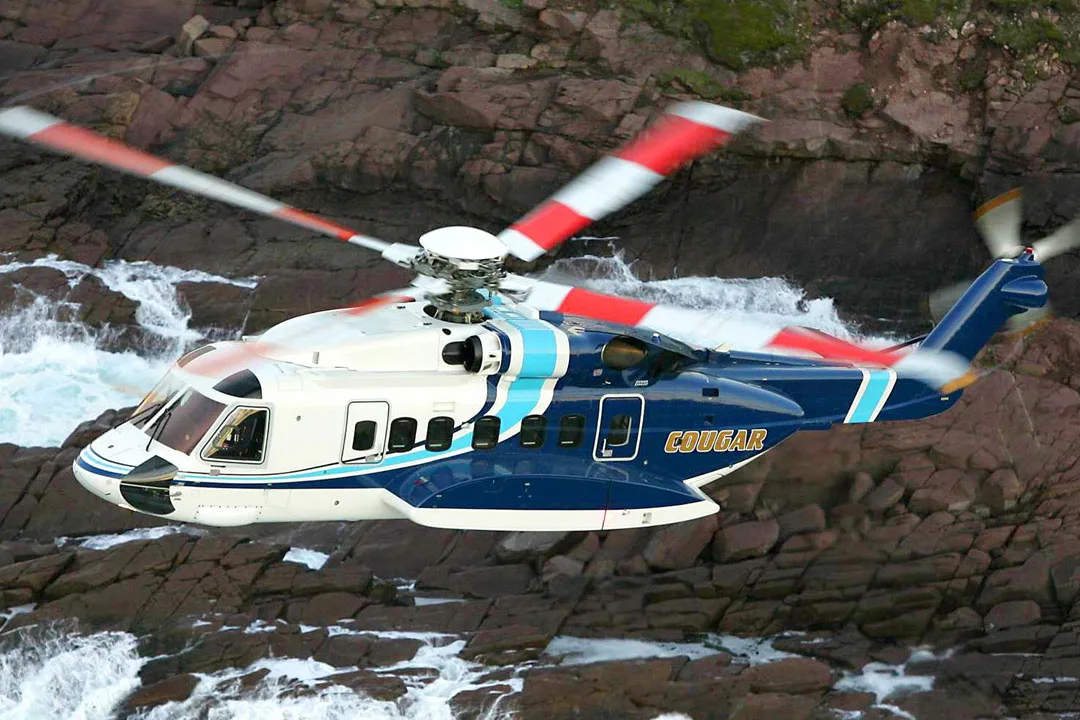
Sikorsky S-92 heavy helicopter performing offshore transport mission | Photo: lockheedmartin.com
When an aircraft manufacturer increases production of a specific helicopter model, the impact extends beyond the aircraft themselves. Higher manufacturing output can strengthen supply chains, stabilize parts availability, and reinforce the long-term support ecosystem surrounding a platform.
In practical terms, a stronger production pipeline can influence several aspects of fleet planning:
- Clearer delivery timelines for new aircraft entering service
- Improved coordination with pilot training and maintenance programs
- A more stable parts and technical support network as production activity increases
These factors play an important role in sectors where helicopters operate continuously and where downtime can affect large infrastructure operations.
What the Industry Will Watch as the New Variant Enters Service
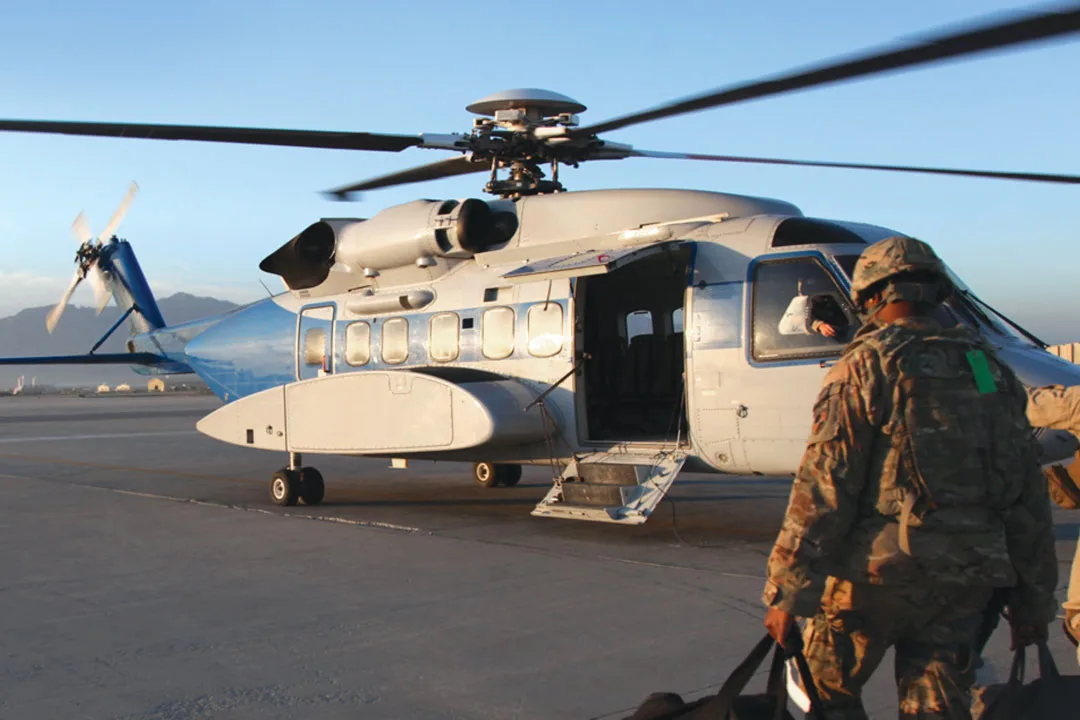
Soldiers load into a S-92 | Photo: lockheedmartin.com
Sikorsky’s production expansion highlights continued confidence in the S-92 program. Over the coming years, the aviation industry will watch several indicators that reveal how the new variant performs in operational service.
Key signals will include aircraft deliveries, fleet adoption by major helicopter companies, utilization rates, and dispatch reliability across offshore and government missions. Another important factor will be how seamlessly the new configuration integrates with existing S-92 fleets and support infrastructure.
The Bigger Picture for Heavy Helicopter Transport
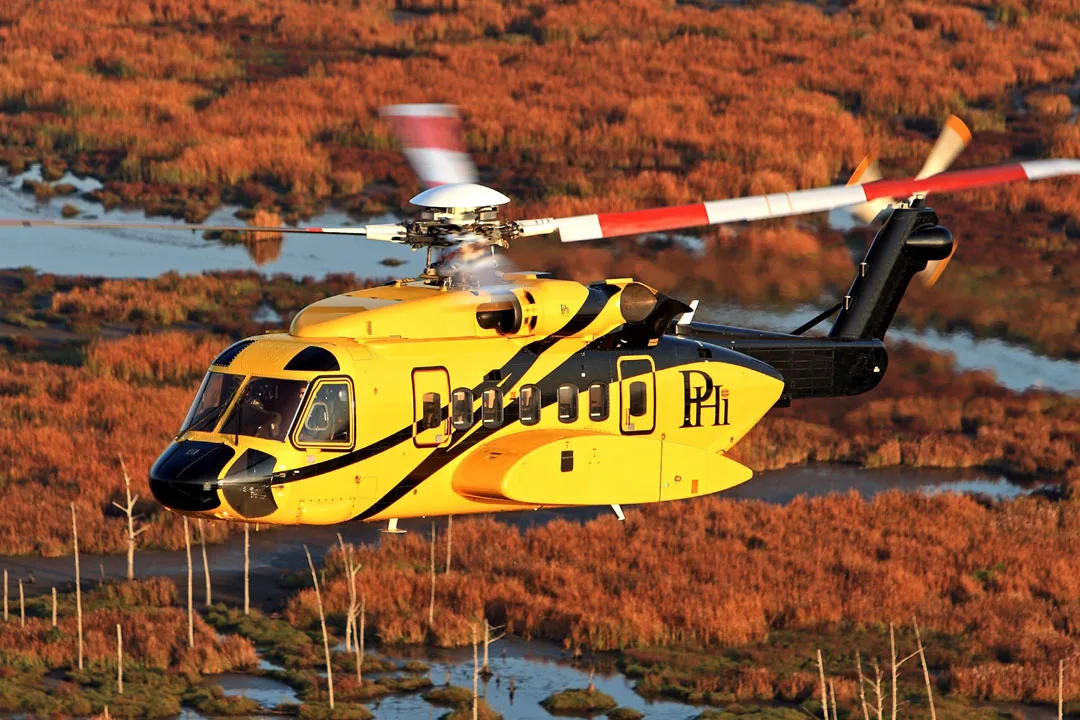
Sikorsky S-92 helicopter | Photo: lockheedmartin.com
Manufacturing decisions often provide an early signal of where the rotorcraft market is heading. Increasing production of the S-92 indicates that heavy, long-range helicopters will remain central to offshore transportation and specialized aviation missions.
With the new variant moving toward broader deployment, the industry will be watching closely to see how it performs across the demanding environments that have defined the S-92 platform for more than two decades.