
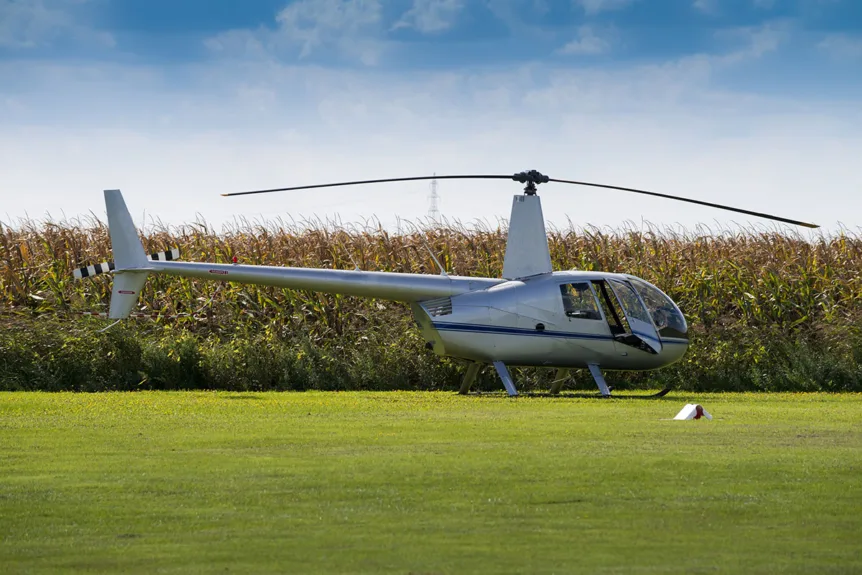
Aerial seeding, a method of sowing seeds from the air, is a game-changer in the agricultural industry. This innovative approach, often carried out by helicopters, has shown significant potential in improving crop yield, particularly in large-scale farming operations. But how exactly does aerial seeding impact crop yield? Let’s delve into the details.
The Concept of Aerial Seeding
Aerial seeding is a method of planting where seeds are spread over a field from an aircraft, typically a helicopter. This method is particularly useful for large fields and areas with challenging terrain where traditional ground-based seeding methods may be inefficient or impractical. Aerial seeding allows for rapid coverage of large areas, ensuring that seeds are distributed evenly and at the right time for optimal growth.
How Aerial Seeding Enhances Crop Yield
The impact of aerial seeding on crop yield can be attributed to several factors. First, the speed and efficiency of aerial seeding mean that seeds can be sown at the optimal time for each specific crop. Timing is crucial in farming, and being able to sow seeds at the right time can significantly improve crop yield.
Second, aerial seeding ensures even distribution of seeds. This uniformity allows for optimal use of available land, reducing wasted space and increasing the potential yield per acre. Furthermore, the ability to accurately control the rate of seeding ensures that the correct number of seeds are sown, preventing overcrowding or sparse planting, both of which can negatively impact crop yield.
Third, aerial seeding minimizes soil disturbance compared to traditional tilling and planting methods. This can help maintain soil structure and health, promoting better root growth and nutrient uptake, which can lead to healthier, more productive crops.
Aerial Seeding and Cover Crops
Aerial seeding is particularly effective when used for planting cover crops. Cover crops are plants grown primarily for the benefit of the soil rather than for crop yield. They can help improve soil health, control weeds, manage pests and diseases, and enhance biodiversity, all of which can contribute to improved crop yield in subsequent growing seasons.
By using aerial seeding to plant cover crops, farmers can ensure that these beneficial plants are established quickly and effectively. This is particularly important in regions with short growing seasons, where every day counts. Aerial seeding allows cover crops to be sown while the main crop is still in the field, giving the cover crops a head start and ensuring they can provide maximum benefit to the soil.
A Powerful Tool
Aerial seeding is a powerful tool in modern agriculture, offering a range of benefits that can significantly impact crop yield. From the speed and efficiency of seeding to the even distribution of seeds and the minimal disturbance to the soil, aerial seeding presents a compelling case for its adoption in farming operations of all sizes. As we continue to seek innovative ways to feed a growing global population, aerial seeding will undoubtedly play a crucial role in the future of agriculture.
If you’re considering aerial seeding for your farming operation, Fair Lifts is here to help. With our extensive network of helicopter services, we can provide efficient and effective aerial seeding solutions tailored to your specific needs. Don’t miss out on the opportunity to enhance your crop yield with this innovative method. Contact Fair Lifts today for a free quote on your aerial seeding project. Let us help you take your agricultural operations to new heights.