
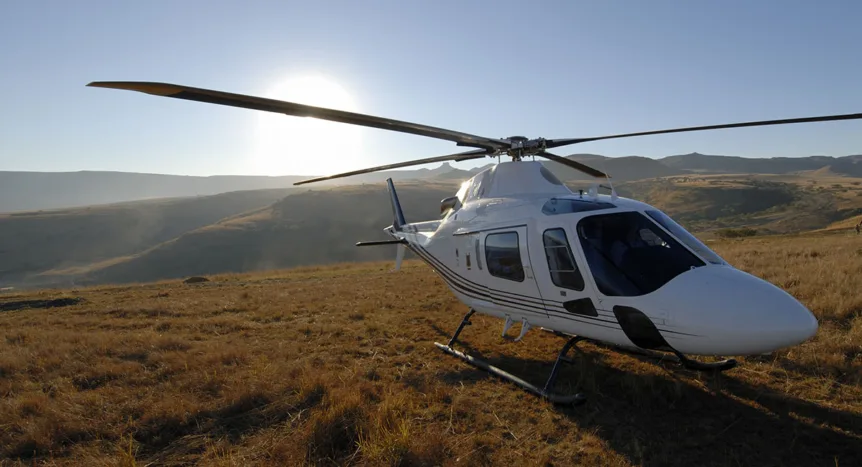
The global civil helicopter market is undergoing significant transformation, with projections indicating substantial growth over the next decade. Visiongain, a leading market intelligence provider, has recently published a comprehensive report detailing the trajectory of the civil helicopter market from 2023 to 2033. This article delves deep into the findings of the report, highlighting key growth drivers, market opportunities, and the competitive landscape.
Key Growth Projections
According to Visiongain’s report, the global civil helicopter market was valued at US$34.6 billion in 2022. This market is anticipated to grow at a Compound Annual Growth Rate (CAGR) of 6.7% during the forecast period of 2023-2033. Such growth is attributed to various factors, including the expansion of offshore oil and gas exploration, the increasing demand for emergency medical services, and the rising demand for VIP and corporate transport.
Driving Factors Behind the Growth
Energy Exploration and Helicopter Connectivity
One of the primary drivers for the growth in the civil helicopter market is the expansion of offshore oil and gas exploration and production activities. Helicopters have become an essential mode of transport for crew changes, equipment transportation, and emergency response in these offshore operations. As the global energy demand continues to rise, offshore drilling activities are expected to increase, subsequently driving the demand for advanced civil helicopters equipped with extended range, safety features, and enhanced payload capacity.
Impact of COVID-19 on the Civil Helicopter Market
The COVID-19 pandemic had a mixed impact on the civil helicopter market. While there was a decline in demand for tourist and VIP helicopter services due to travel restrictions and lockdowns, helicopters played a pivotal role in supporting medical transport and pandemic response efforts. They facilitated the rapid transportation of medical personnel, supplies, and COVID-19 test kits to remote regions. The pandemic underscored the versatility of civil helicopters in emergency situations, highlighting their importance in healthcare services and emergency medical evacuations.
Market Opportunities
Law Enforcement and Homeland Security
Helicopters have become indispensable assets for law enforcement agencies and homeland security operations. With advanced imaging systems, night vision technology, and communication equipment, these helicopters play a vital role in tracking criminal activities, conducting search and rescue missions, and supporting disaster response efforts. As the need for enhanced public safety and border security remains paramount, there is a growing demand for specialized law enforcement and homeland security helicopters.
Environmental Sustainability and Eco-Friendly Civil Helicopters
The push for sustainable aviation practices has led to the development of eco-friendly civil helicopter solutions. Electric and hybrid helicopters, which use electric propulsion systems or combine electric motors with traditional internal combustion engines, are emerging as environmentally friendly alternatives that can significantly reduce greenhouse gas emissions and noise pollution.
Competitive Landscape
The civil helicopter market is dominated by major players such as Airbus Helicopters SAS, Bell Helicopter Textron, Leonardo S.p.A, Lockheed Martin Corporation, and The Boeing Company Helicopter Company, among others. These players have adopted various strategies, including mergers and acquisitions, research and development investments, collaborations, and partnerships, to capture a higher market share.
Conclusion
The civil helicopter market is poised for significant growth over the next decade, driven by various factors ranging from energy exploration to the demand for emergency medical services. Visiongain’s report provides a comprehensive overview of the market, offering valuable insights for stakeholders to make informed decisions. As the market continues to evolve, it presents numerous opportunities for players to innovate and cater to the changing demands of the industry.