

Reforestation plays a vital role in fighting climate change, restoring biodiversity, and preventing soil erosion. While traditional tree-planting methods are effective, they often struggle with challenges like difficult terrain, high labor costs, and time limitations. Drone aerial seeding offers a modern solution, using unmanned aerial vehicles (UAVs) to disperse seeds efficiently and accurately across large or hard-to-reach areas.
How Drone Aerial Seeding Works

An Aerial Seeding XAG P150 Drone
This method relies on UAVs fitted with specialized seed dispersal systems. Programmed to fly over target areas, these drones release seeds at ideal intervals and locations. Advanced GPS and mapping technologies help them navigate rough terrain, ensuring even seed distribution and higher germination success.
Drones use Real-Time Kinematic (RTK) technology to improve seed placement accuracy. This reduces overlap and waste, making resource use more efficient and boosting crop yields.
Benefits of Drone Aerial Seeding
1. Greater Precision and Efficiency
Drones can cover vast areas much faster than manual labor. Their ability to access challenging landscapes like steep slopes, wetlands, and fire-damaged zones enables reforestation in previously unreachable areas. This speed is critical given rising deforestation rates.
2. Lower Costs
Traditional reforestation often requires significant labor and expense. Drone seeding cuts the need for large crews and heavy equipment, slashing operational costs. Research indicates drone planting can cost up to 80% less than manual methods.
3. Reduced Environmental Harm
Conventional planting machinery can damage soil, disrupt ecosystems, and produce emissions. Lightweight, electric drones minimize soil disturbance and carbon output, making them a greener choice for reforestation.
4. Higher Seed Survival
Many drone seeding systems now use seed pods biodegradable capsules packed with seeds, nutrients, and protective coatings. These pods boost germination by delivering instant nourishment and shielding seeds from pests and harsh weather.
Environmental Advantages

The XAG P100 Pro HP Drone spreading seeds for reforestation
1. Carbon Capture
Trees absorb carbon dioxide from the air. Large-scale reforestation via drone seeding aids carbon sequestration, helping slow climate change.
2. Biodiversity Recovery
Drone seeding of native plants rebuilds habitats for wildlife, reviving ecosystems damaged by deforestation or natural disasters.
3. Soil Protection
Plant roots anchor soil, preventing erosion and landslides. Fast reforestation through drone seeding stabilizes vulnerable areas, safeguarding water quality and farmland.
Reforestation’s Future
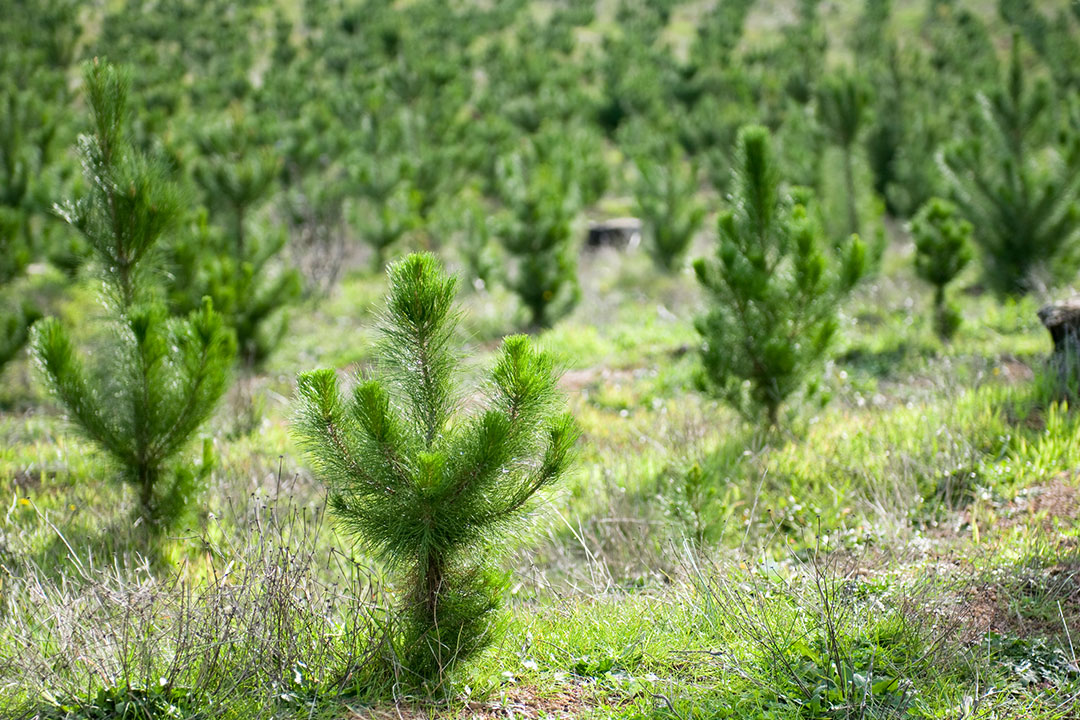
A young forest of pines
As technology advances, drone aerial seeding will likely become a key tool in global reforestation. Merging speed, accuracy, and sustainability, drones present a hopeful path to heal damaged lands and address climate change.
Fair Lifts is dedicated to using drone tech for environmental recovery. Our agricultural drone services provide effective, eco-friendly reforestation solutions for varied landscapes.
Contact Fair Lifts or call Phillip Mitchel directly at (850) 517-3540 to discuss how our precision agricultural drone services can support your reforestation project with efficiency and accuracy.